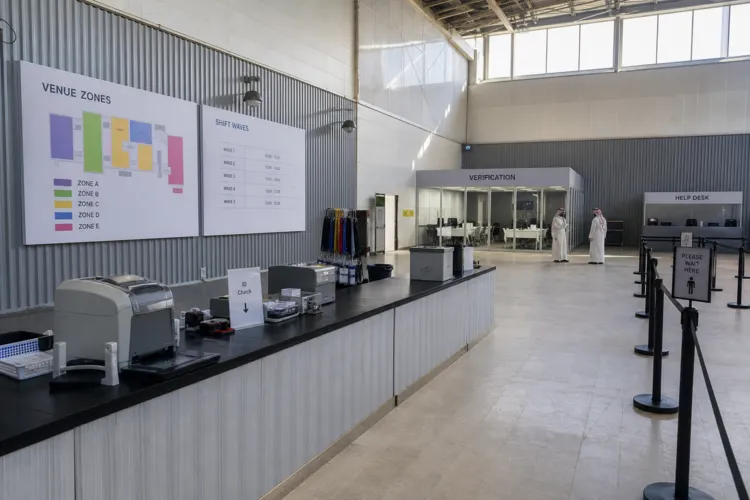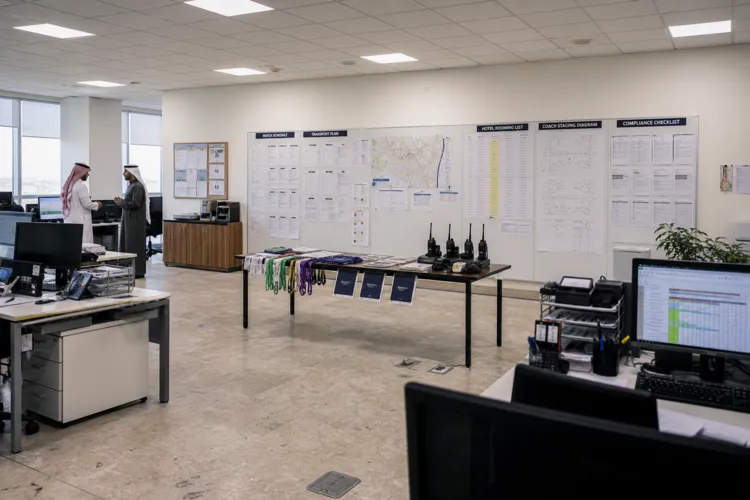
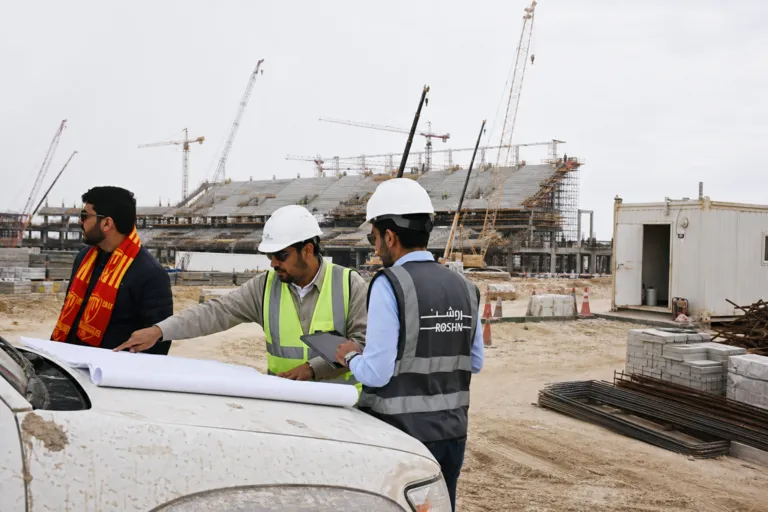
Aramco Stadium is an under-construction multi-purpose stadium located in the north of Khobar, Saudi Arabia. It is set up in a way that mirrors a wider trend in the Kingdom: using major national brands to anchor sports infrastructure and club development at the same time. According to Wikipedia, the stadium will be owned by the ROSHN Group and operated by Saudi Aramco, and it will serve as the home stadium for Al-Qadsiah FC. The planned capacity is 47,000 people, and the venue is scheduled to host matches for the 2027 AFC Asian Cup. It is also listed as a stadium to be used for the 2034 FIFA World Cup.
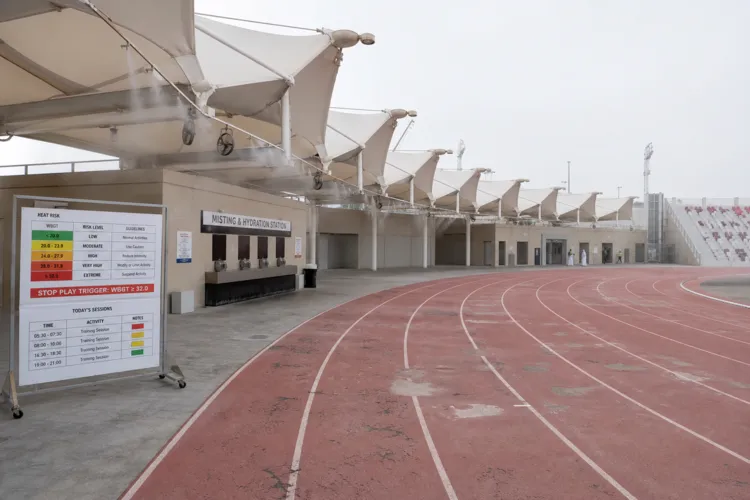
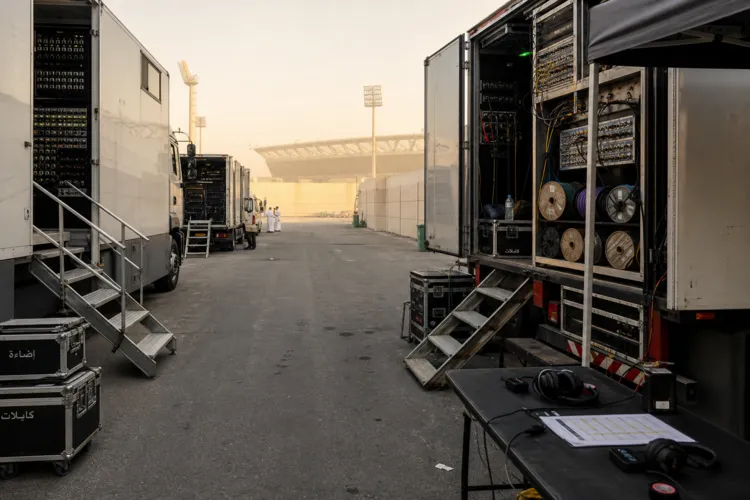
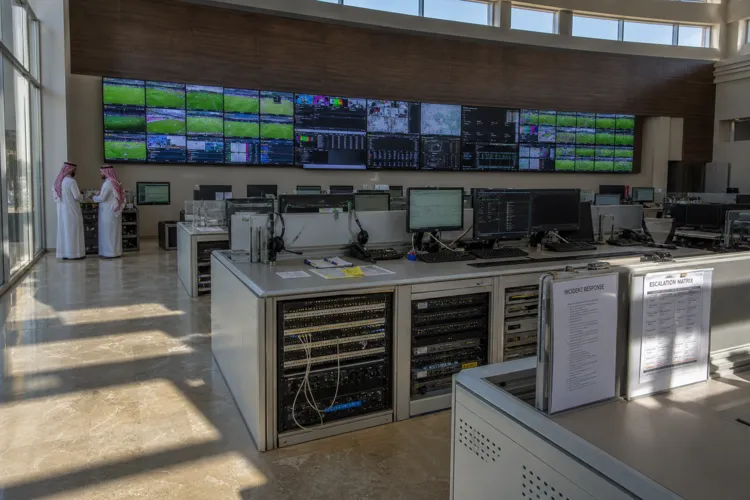
Design choices underline the “experience platform” concept that Saudi sports planners keep returning to. Populous designed the stadium to take the form of a whirlpool inspired by the natural water spirals along the coast of Khobar. The interior bowl has a seating capacity of 47,000 and includes integrated cooling systems and built-in air conditioning to regulate temperatures for both players and spectators. ConstructionReviewOnline adds that the stadium is anticipated to include general admission areas, VIP/VVIP hospitality sections, player accommodations, media facilities, training pitches, and parking facilities. It also describes an on-site energy center expected to supply power and cooling, plus extensive road and landscape developments.
The Al-Qadsiah Model: Clubs as “Platform Assets”
In Arab News, sports executive Petriccione describes Saudi clubs as increasingly positioned as “platform assets” that connect football with broader sectors of the economy, including tourism, media, entertainment, and urban development. She links this approach to the acquisition of Al-Qadsiah Club by Saudi Aramco as an example of large national companies becoming involved in professional sports assets. That logic is visible in how stadiums are framed too: Petriccione argues modern stadiums are financially stronger when they function as experience and events platforms rather than simply football grounds. In the same reporting, Saudi Arabia is described as building a portfolio of stadiums and venues designed not only for football matches but also for concerts, conferences, and large-scale entertainment events.
The wider investment context in Saudi sports provides a backdrop for the Aramco Stadium Al-Qadsiah partnership model of linking club ownership with venue delivery and operation. Arab News cites an estimate that the Kingdom’s sports industry is roughly SR32 billion ($8.52 billion), with projections suggesting it could contribute around $16.5 billion annually to GDP by the end of the decade. The same piece points to a December 2024 report by SURJ Sports Investments (a company under the Public Investment Fund) suggesting the sector could be valued at above $22 billion by 2030. Separately, Roshn’s role across football shows how state-linked entities use sponsorship to embed themselves in the sports economy: a Substack analysis reports Roshn agreed naming rights for the Saudi Pro League in August 2022 in a 5-year deal worth $127 million.
On execution, ConstructionReviewOnline describes the Saudi-Aramco Stadium project as being managed by Aramco, with BESIX and ALBAWANI in a joint venture to design and build, and Populous as the architect behind the stadium and surrounding master plan. The same source says Aramco is aiming to comply with inclusive design practices to help it attain LEED certification for sustainability. Meanwhile, Lovin.co reports the official launch of the “Aramco Stadium Company” to manage and operate the project. Put together, these moves show how an energy brand can extend beyond signage and sponsorship into operations, governance, and long-term venue strategy—an approach aligned with Petriccione’s view that stadium infrastructure is central to the sector’s expansion.
What is Aramco Stadium, and where is it being built?
How many fans will Aramco Stadium hold?
How does the Aramco Stadium Al-Qadsiah partnership work in practice?
Which tournaments is Aramco Stadium scheduled to support?
What does Arab News say about the scale of Saudi Arabia’s sports economy?