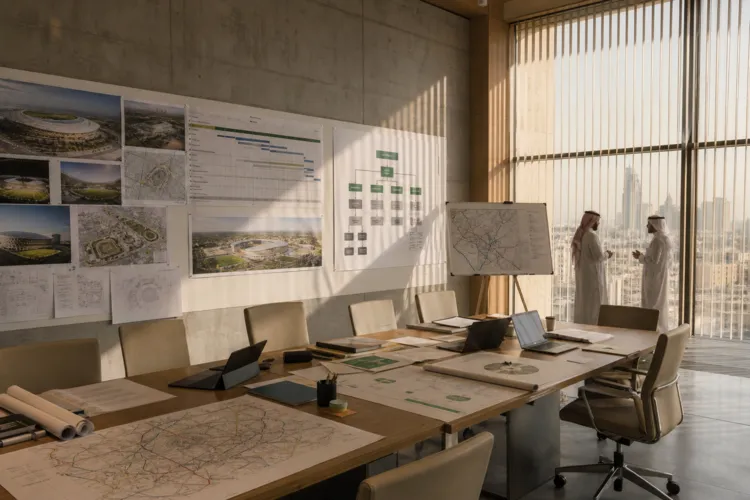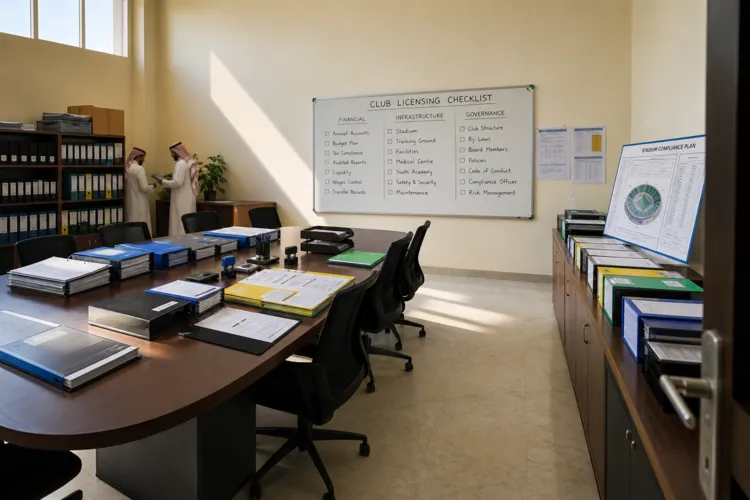
Saudi Arabia is increasingly positioned as an ambitious sports market, and that momentum naturally feeds speculation about a possible Saudi Olympic bid 2036. At the same time, the 2036 selection pathway is being shaped by the IOC’s newer host-selection system, which emphasizes structured dialogue and staged evaluation. For 2036, Wikipedia’s timeline states the host city will be selected in mid-2029 and notes key deadlines, including 31 October 2026 for Interested Parties to be considered and November 2026 virtual presentations to the Future Host Commission. Separate reporting from The Sports Examiner adds that Saudi Arabia was rumored to be interested in 2036 but not listed among the seven “interested” countries referenced in the IOC “Host Selection Handbook,” raising the practical point that “interest” and “formal process status” are not the same thing.
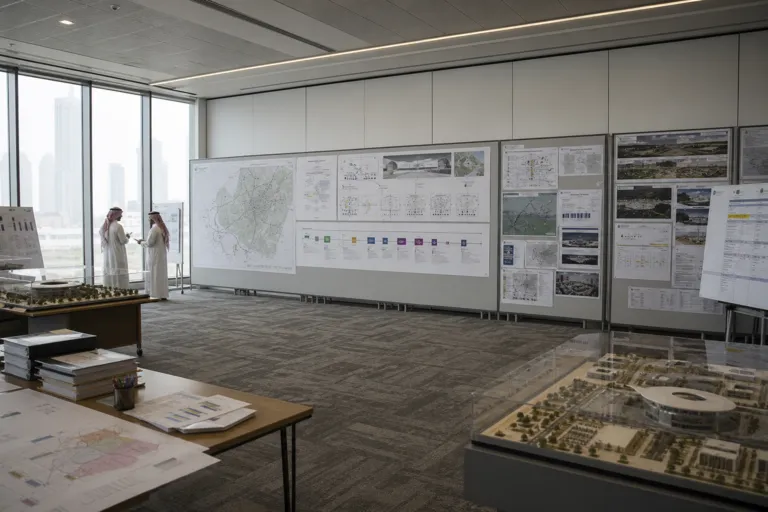
Infrastructure narratives matter in any Olympic conversation, but feasibility work is where credibility is built. A Saudi sports feasibility study case study describes a framework designed to reduce uncertainty through market, financial, operational, and regulatory analysis. The case study reports engagement ROI in clear percentages: investment uncertainty reduced by 30–40% and optimized project designs reduced expected operating costs by 15–20%. Those are not Olympic-specific numbers, but they are directly relevant to the kind of evidence-based decision-making an Olympic-scale program would require. The same case study highlights practical actions, including phased implementation aligned with demand maturity, early alignment on regulatory approvals and stakeholder engagement, and post-launch performance monitoring frameworks designed to support sustainable execution rather than one-off delivery.
Infrastructure and Legacy: The Test Is Utilization, Not Hype
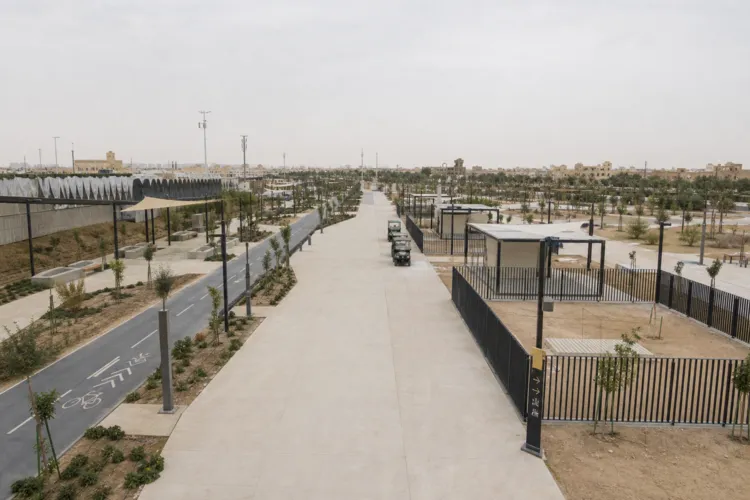
Saudi-focused feasibility guidance underscores why “legacy” planning cannot be an afterthought. An insights article on running sports facility feasibility studies in Saudi Arabia points to projects positioned for international competitions and community use, including the National Athletics Stadium in Qiddiya Sports Park, alongside entertainment, performance arenas, and hospitality precincts. It also points to London 2012 as a lesson in designing for community outcomes from day one, citing 106 community facilities upgraded across the city and 400,000 Londoners participating in grassroots sport through the Mayor of London Sport Legacy programme. The same article stresses that the gap between a 20% utilised venue and an 80% utilised one is driven by demand and supply modelling, not design. For Saudi planning, that means mapping realistic user segments, booking patterns, and pathways that keep venues active beyond headline events.
Commercial implications are tied to both event cadence and investor scrutiny. The Saudi feasibility guide describes decision-making as “more financially driven,” referencing stricter reviews, delays, and overhauls across big developments. It also cites a report claiming each project is assessed by detailed financial metrics and anything below a certain internal rate of return will be shelved, while cautioning that data is still limited. In parallel, market outlook research from Grand View Research projects Saudi Arabia’s sports event market revenue to reach US$ 9.5 million by 2030, with a CAGR of 11.4% from 2025 to 2030. That projection provides context for commercial interest, but it does not replace the need for project-level feasibility on operations, procurement, approvals, and long-term utilization, especially for venues meant to function as year-round assets.
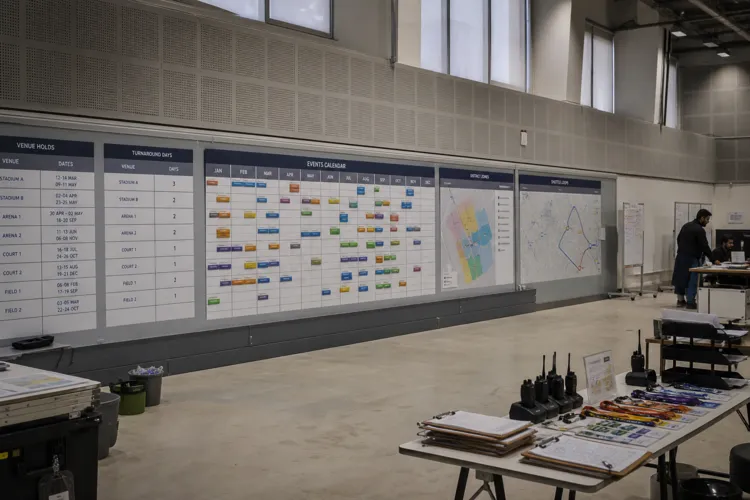
For any Olympic pursuit, the process calendar matters as much as the construction calendar. Wikipedia describes three dialogue stages—Continuous Dialogue, Strategic Dialogue, and Targeted Dialogue—and notes reforms that include more transparency and a proposed “short-list stage,” with the “strategic dialogue” beginning in March 2027 and targeted dialogue starting in late 2028. The Sports Examiner reiterates the IOC’s position that the host will be named in 2029 and notes that after 31 October 2026 no other Interested Parties will be considered for 2036. Put together, these milestones imply that a credible Saudi pathway would need to translate sports-market momentum into formally submitted, audit-ready plans that can withstand feasibility assessment, guarantee requirements, and the operational proof points that the IOC’s staged dialogue is designed to surface.
When will the IOC select the host for the 2036 Summer Olympics?
What is the IOC deadline for Interested Parties to be considered for 2036?
What does feasibility work typically aim to improve for major sports facilities in Saudi Arabia?
How can a Saudi Olympic bid for 2036 strengthen its feasibility case on infrastructure legacy?
What commercial market context is cited for Saudi Arabia’s sports events outlook?