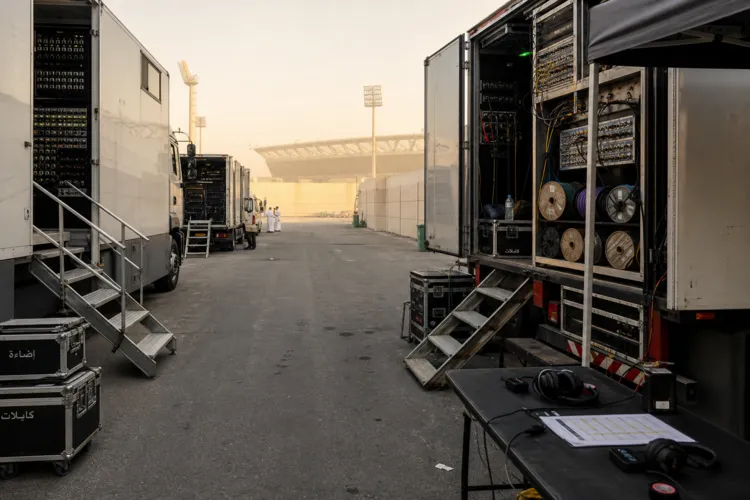

Live sports is a prime piracy target because it combines high value, tight timing, and massive simultaneous demand. A match’s value is concentrated into a short live window, so pirates only need to relay a signal for a limited period, not host a file indefinitely. For Saudi sports broadcasters, this reality makes protection a core part of the business model rather than a “nice to have.” The operational goal is simple: keep the legitimate viewing experience smooth while preventing unauthorized viewing, password sharing, and illegal re-broadcasts that can siphon off audience and weaken rights value.
In practice, stream security starts at playback. A legitimate app does not send video “in the clear.” It encrypts the stream and relies on a license request that verifies the viewer, the app, and the device before issuing a decryption key that is valid only for that session. Common DRM systems named for broad device coverage include Google Widevine, Microsoft PlayReady, and Apple FairPlay. These systems keep keys inside protected device environments and can enforce usage rules such as blocking screen recording. This is the first line of defense for Saudi platforms delivering premium sports via apps, browsers, and connected TVs.
Where DRM Ends: Watermarking, Token Controls, and Fast Takedowns
DRM reduces casual copying, but determined pirates may still capture a signal or re-stream from a screen. That is where forensic watermarking matters. The platform embeds an invisible, unique code into each viewer’s session, effectively fingerprinting the stream to a specific account. When an illegal stream appears, the rights holder can extract the watermark, identify the source, and shut it down. Token-based access adds another control layer by making access session-specific, which helps limit password sharing and other forms of unauthorized access. Finally, automated monitoring helps find illegal streams and issue takedowns within minutes, which is critical in live sports where every minute matters.
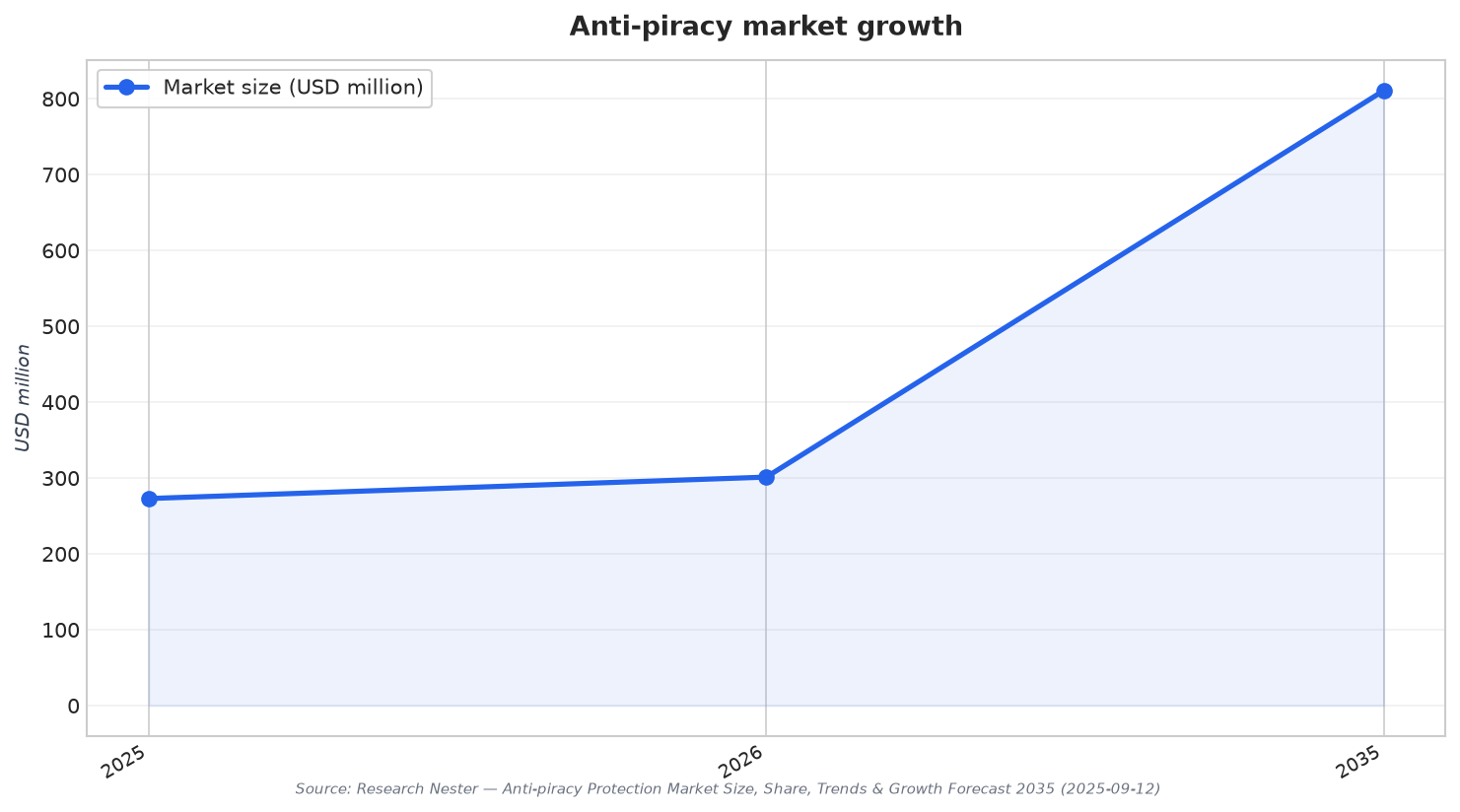
Market signals show why these capabilities keep attracting spend, even beyond sports. One market outlook valued the global anti-piracy protection market at USD 273 million in 2025 and projected USD 810.8 million by 2035, at around an 11.5% CAGR for 2026–2035, with a 2026 estimate of USD 301.26 million. Another report estimated the global anti piracy protection market at $4.8 billion in 2025, projecting $11.2 billion by 2034 at a 9.8% CAGR for 2026–2034, and noted more than 215 billion visits to piracy websites globally in 2025. For Saudi broadcasters, these global figures are context, but they underline the scale of the threat environment surrounding premium content.
Content protection also sits inside a broader enforcement and policy landscape. The OECD estimated that global trade in counterfeit and pirated goods exceeds USD 460 billion annually, reinforcing the economic incentive behind forensic tracking and enforcement tools. Reports and Data notes that the UAE and Saudi Arabia are increasing investment in digital entertainment ecosystems as part of broader economic diversification strategies, while the Alliance for Creativity and Entertainment reported continued expansion in global anti-piracy enforcement activity, particularly against illegal IPTV networks distributing sports content. In parallel, the content protection market was valued at $1.88 Billion in 2026 and estimated to reach $3.03 Billion by 2033, at a 7.06% CAGR, with watermarking and fingerprinting highlighted as key tools for high-value media such as sports broadcasts.
Why is live sports such a major piracy target for broadcasters?
What technologies form the core of sports anti-piracy content protection for Saudi broadcasters?
Which DRM systems are commonly referenced for broad device coverage?
How does forensic watermarking help stop illegal re-streams?
What global market figures show rising demand for anti-piracy tools?