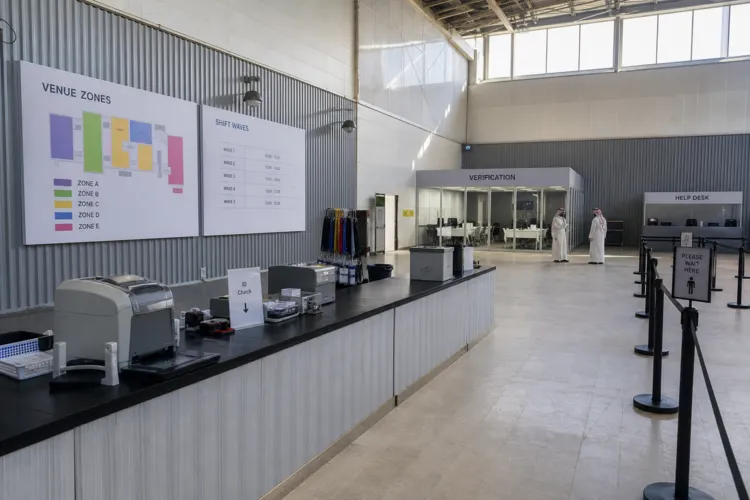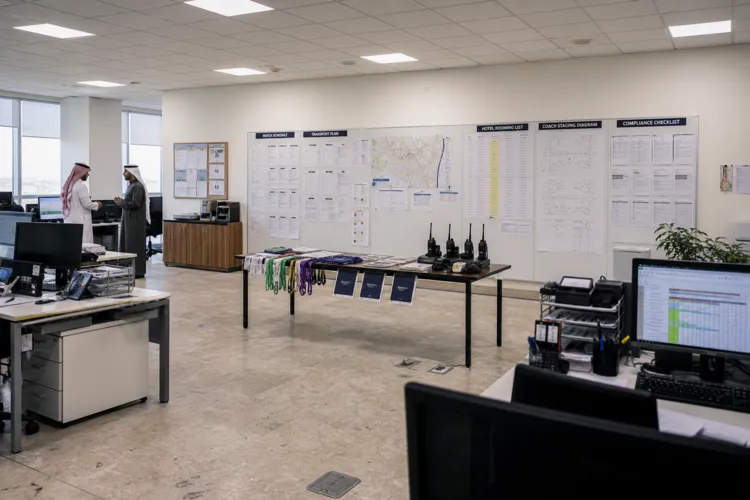
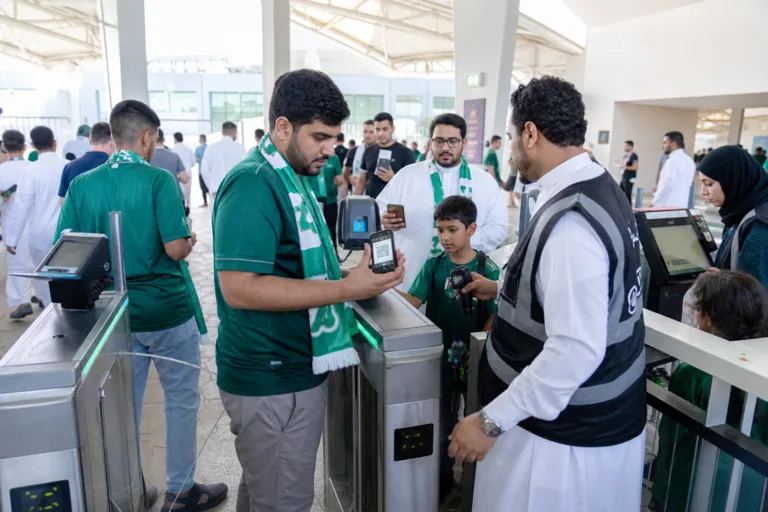
Smart ticketing is moving from a convenience to an operational requirement for Saudi sporting events. The Kingdom is building toward an event-friendly future and is already experienced at moving people at scale, as highlighted by Skift’s view that Saudi Arabia has run “mass events” for centuries and is now building on it with sports, music, and entertainment. In that environment, sports ticketing technology becomes a front-door system for access, crowd flow, and service. It is also a data engine. Ticketing creates behavioral signals that can help organizations understand what fans want and how they move through an event day.
Data and analytics are the layer that turns ticketing into a modern fan journey. Consultancy ME notes the world is estimated to create 394 billion terabytes (TB) of data by 2028, up from 123 billion TB in 2023. It also reports the global data monetization market was valued at $2.99 billion in 2023, with expectations to grow from $3.47 billion in 2024 to $12.62 billion by 2032 at a 17.5% CAGR. For sports organizations, the same source explains that big data analytics can uncover patterns in fan behavior and preferences, enabling personalized experiences that can drive loyalty, increase revenue, and support higher ticket purchases and more effective marketing campaigns.
Self-service kiosks show how smart ticketing can reduce friction at the stadium edge. London Loves Business describes long lines at entry gates or ticket booths that can stretch for hundreds of people, especially before big games. It argues kiosks can offer fast, easy, and secure self-service ticketing for collecting prepaid tickets, buying last-minute seats, or upgrading to hospitality areas. Fans can select seating, pay contactless, and print tickets on the spot. The same article connects kiosks to lower staff overhead, reduced human error, stronger transaction tracking, and fewer bottlenecks at gates, helping more people enter with less stress.
Why Smart Ticketing Matters for Sustainable Fan Engagement
Saudi sports properties are also working to deepen and sustain fan relationships, and ticketing is part of that pipeline. Fox Sports reported Saudi Pro League leadership said the league reached a record 180 countries worldwide last season, up from 150 the year before. The same reporting said international sponsorship deals surged by 200%, and social media following grew from 11 million to 15 million, alongside a 60% jump in engagement. Those reach metrics increase the importance of consistent, reliable purchase and entry experiences. Smart ticketing can support that consistency by tracking transactions more robustly and enabling targeted content and offers based on observed preferences.
Modern venues and temporary event zones both raise the stakes for access control and crowd flow. Construction Review Online describes Saudi’s planned National Athletics Stadium in Qiddiya Sports Park as a 182,000 square metre project with an estimated cost of $1.8 billion, targeting completion in 2030 and aligning with Vision 2030. At the same time, Above the Law notes that large fan festivals create foreseeable risks, including crowd surges near entrances and choke points in downtown settings where streets become part of the venue. Smart ticketing systems, paired with clear entry processes, can help reduce pressure at gates and support safer, more predictable movement.
Smart ticketing also fits a broader shift toward integrated, data-driven customer journeys in Saudi Arabia. Developing Telecoms reported that Zain KSA’s Yaqoot partnered with Huawei for a BSS upgrade aimed at improved operational efficiency through optimized automation and support for advanced analytics for data-driven decision-making. It also said deeper insights into user behavior could enable hyper-personalized offerings and improve the customer journey across touchpoints. In sports, sports ticketing technology can play a similar role: connecting purchase, entry, upgrades, and engagement into a single flow that reduces friction while creating actionable insights.
What is sports ticketing technology in the context of Saudi events?
How can self-service kiosks improve the stadium ticketing experience?
What data trends support the push toward smarter ticketing and analytics?
Why does crowd flow planning matter beyond stadium gates?