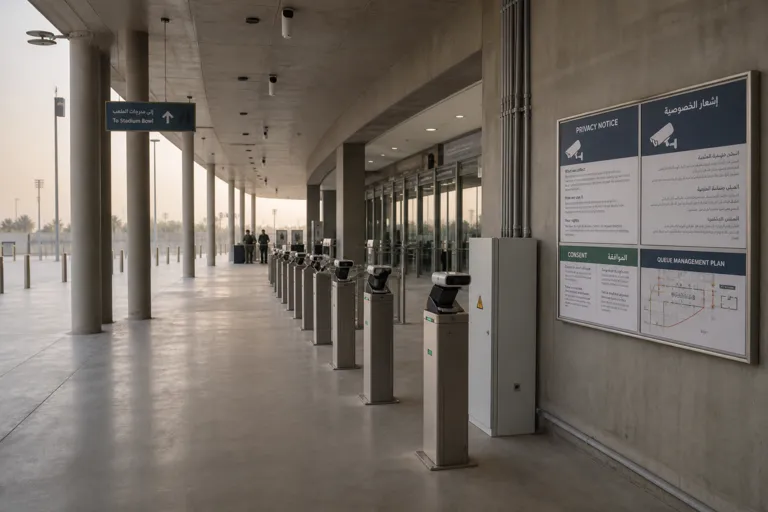
Biometric access and digital fan ID are increasingly discussed as extensions of digital identity programs and smart-stadium upgrades. In Saudi Arabia, digital identity solutions include biometric verification, facial recognition, digital ID cards, identity management platforms, and secure login protocols, according to a Saudi market forecast note that links growth to government initiatives such as Vision 2030 and widening digitization requirements. That same note describes a rapid shift toward biometric authentication technologies and highlights why biometrics are valued when security, speed, and accuracy are paramount. For stadiums, the relevant point is not just gate entry. It is how identity verification and authentication become repeatable controls across ticketing, restricted zones, and fan-facing services, while aligning with a government push for real-time identity validation and cloud-native delivery.
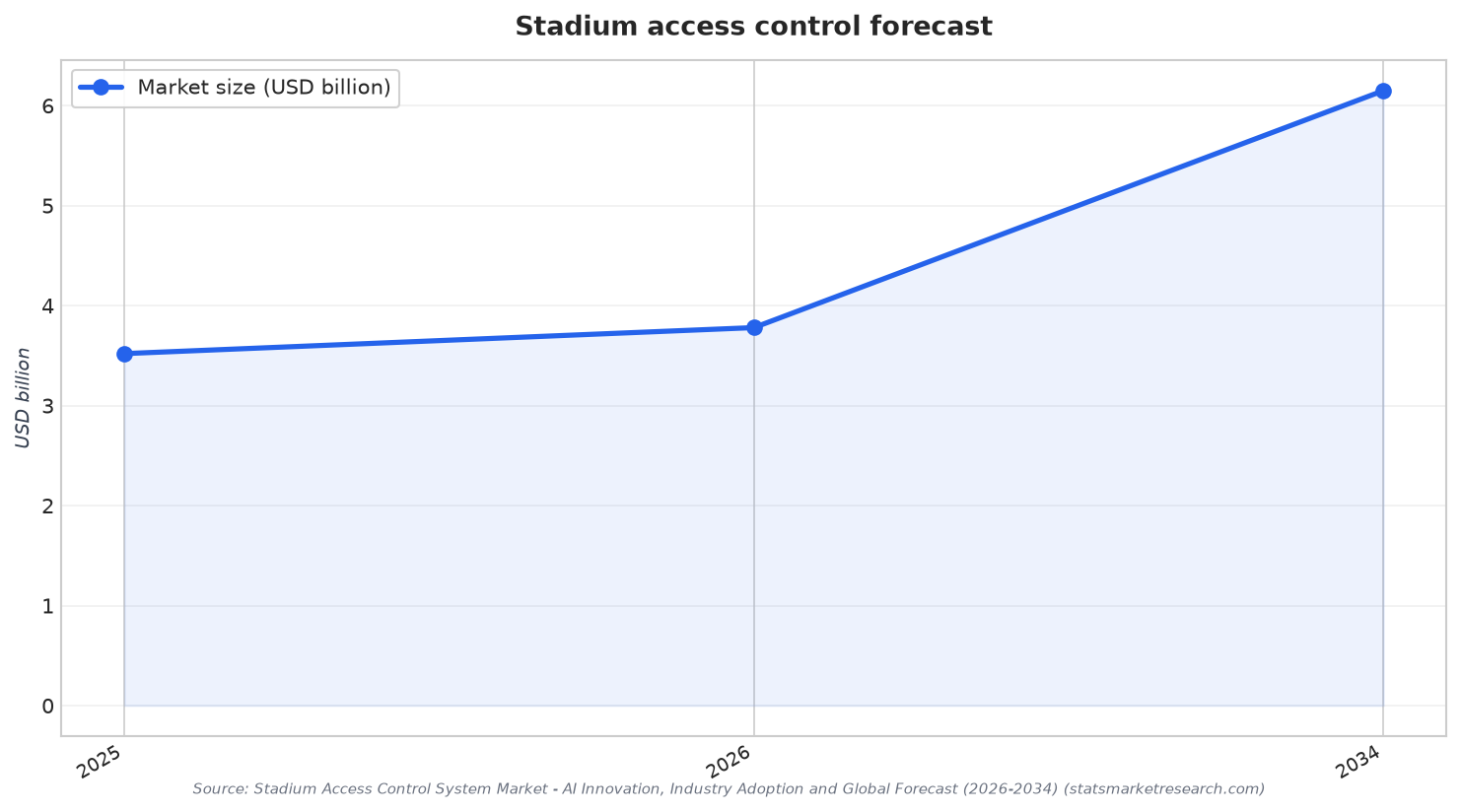
The wider access-control market context is global, but it clarifies what Saudi venue buyers typically evaluate in an RFP. A global stadium access control system market report values that market at USD 3.52 billion in 2025, projecting growth to USD 3.78 billion in 2026 and USD 6.15 billion by 2034, at a CAGR of 6.3%. The same source defines stadium access control systems as integrated solutions that can include ticketing software, biometric scanners, turnstiles, and venue management software. It also calls out contactless technologies such as mobile ticketing and facial recognition as a trend accelerated post-pandemic. For Saudi stadium programs, those categories map cleanly to vendor roles: identity proofing and enrollment, authentication at the gate, and systems integration that links entry decisions to venue operations.
Where Identity-Tech Vendors Fit: Enrollment, Authentication, and Smart-Venue Links
In practice, digital fan ID programs touch both verification and authentication. A digital identity market overview distinguishes verification as the initial secure process of confirming an identity and notes that authentication includes Multi-Factor Authentication (MFA), Single Sign-On (SSO), and biometric techniques such as facial or fingerprint recognition to prove identity during a transaction or login. This matters to stadium deployments because operators may need a fan enrollment journey before match day, then a fast, repeatable authentication moment at entry. In parallel, the smart-stadium stack is expanding. A sports technology report values the global sports technology market at USD 34.25 billion in 2025 and projects USD 68.71 billion by 2030, at a CAGR of 14.9%, citing investments in smart stadium infrastructure and connected systems. It also notes sports tech integration with AI, cloud computing, IoT-enabled sensors, predictive analytics, and biometric technologies.
Vendor selection is also shaped by adoption friction and privacy posture. A digital identity outlook notes that enterprises run dual authentication tracks, biometric and legacy, because almost half of surveyed consumers refuse to share biometrics with private firms. That same source argues biometric data cannot be re-issued once leaked, elevating compliance costs, and says vendors must integrate privacy-enhancing cryptography even at the expense of latency to unlock the next adoption wave. For Saudi stadium buyers, this suggests that “stadium biometric access Saudi Arabia” projects may need parallel lanes: a biometric fast path for fans who opt in, plus an alternative that still supports strong authentication. It also raises procurement questions that go beyond cameras and gates, such as template handling, policy controls, and how identity decisions are orchestrated across cloud workloads.
Finally, the local vendor landscape is best understood as part of Saudi Arabia’s broader digital identity momentum. A Saudi market release frames demand as accelerating as ministries digitize operations and push cloud-native service delivery, citing biometric, federated, and decentralized identity models. The same release lists example companies profiled in the market context, including Thales, NEC, IDEMIA, Microsoft, SAP, Oracle, ForgeRock, and OneSpan, signaling the mix of identity specialists and large platform vendors that may appear in stadium procurements. On the use-case side, a global digital identity report includes an example of an access management platform helping Club Tennis Sabadell increase its security level, illustrating how sports venues can be reference environments for identity platforms. For Saudi stadium operators, the near-term market is therefore less about a single gadget and more about end-to-end identity architecture, from enrollment to gate authentication and ongoing access governance.
What technologies typically sit inside a stadium access control system?
How does a digital fan ID relate to verification and authentication?
Why might Saudi stadiums need both biometric and non-biometric entry options?
What is the market backdrop for stadium access control and sports technology globally?
What should buyers consider for stadium biometric access in Saudi Arabia beyond the gate hardware?