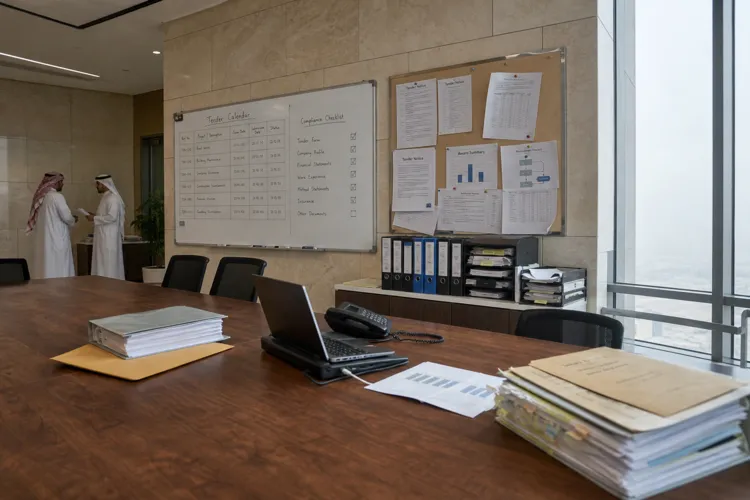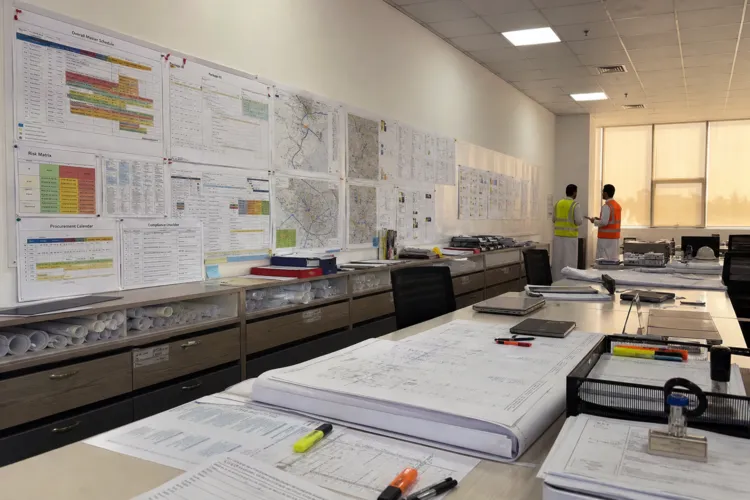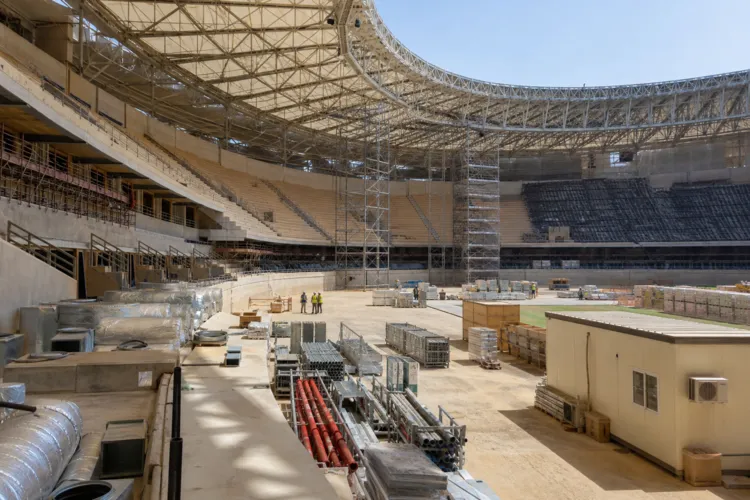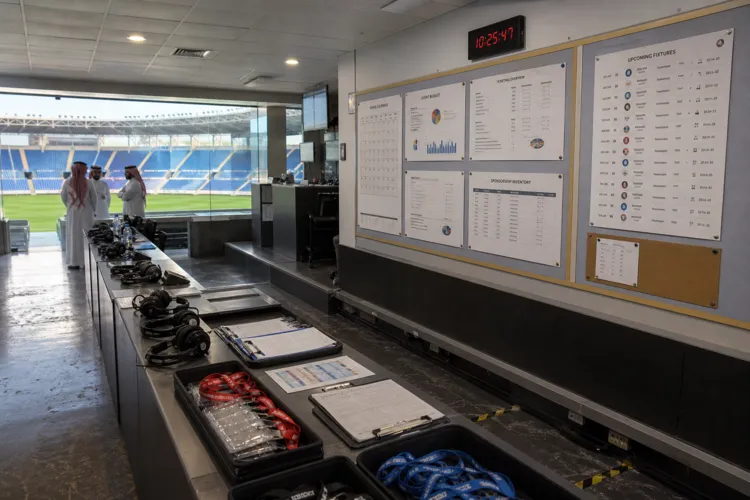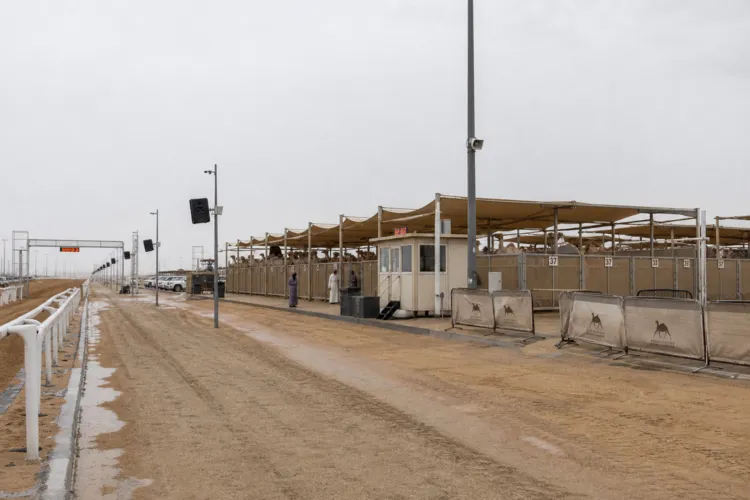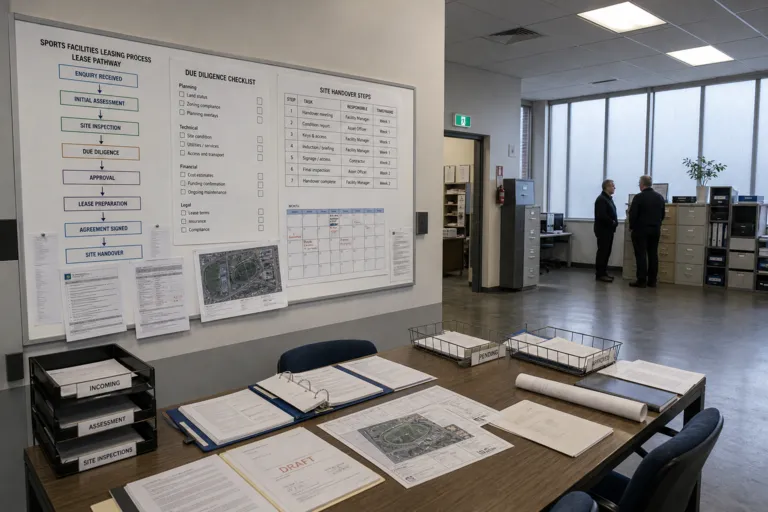
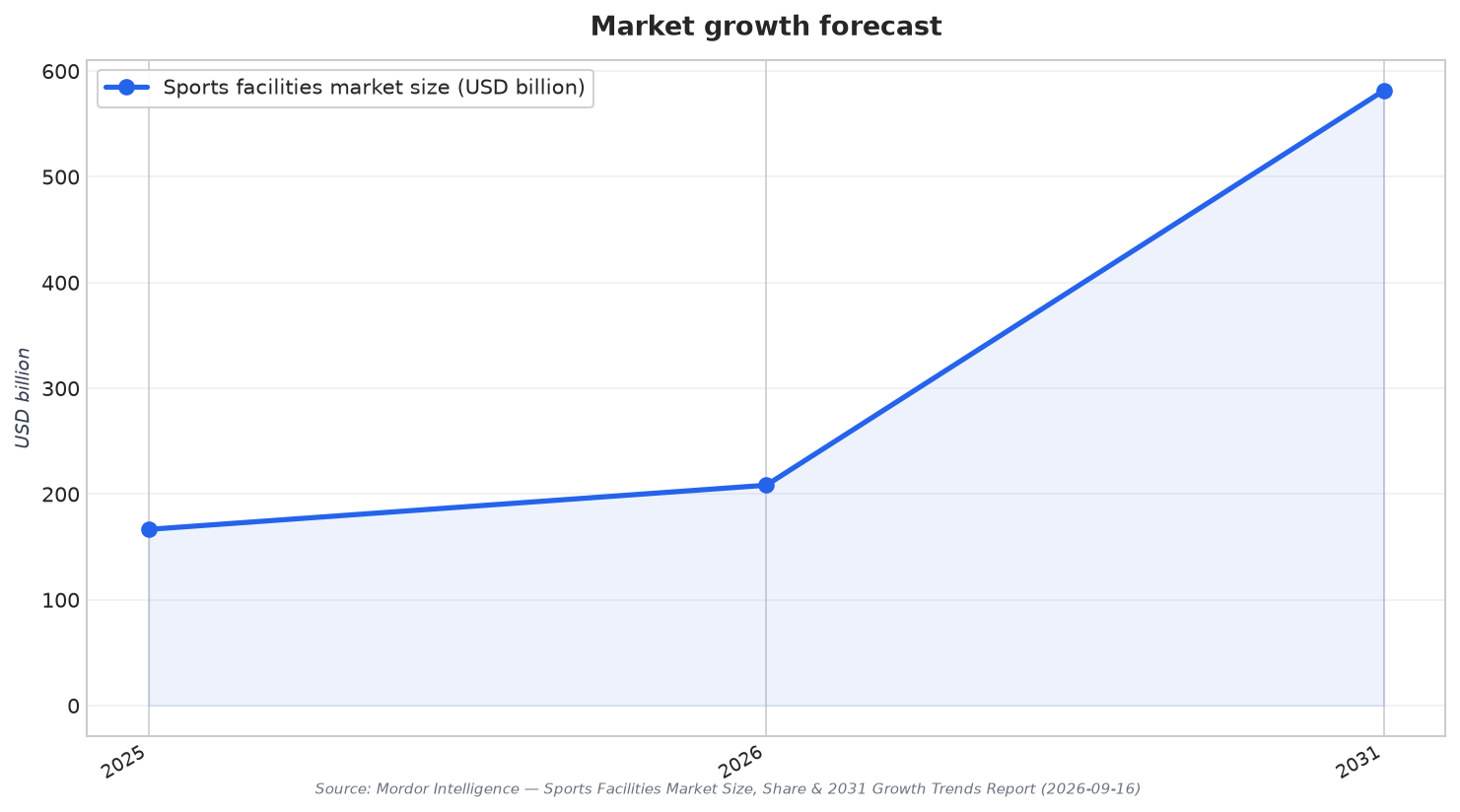
Ministry-led leasing pathways for government sports assets sit inside a wider shift: public owners want measurable community access, while private operators bring operational systems, marketing, and commercial discipline. In the global sports facilities market, municipalities and public authorities held 29.71% of the market by the end of 2025, which signals the scale of public ownership that can feed leasing and operating contracts. Mordor Intelligence valued the global sports facilities market at USD 166.65 billion in 2025, with estimates expanding from USD 208.38 billion in 2026 to USD 581.53 billion by 2031. For operators, that growth narrative matters because it frames why ministries often treat facilities as long-term urban, tourism, and economic infrastructure rather than one-off projects.
For a private operator looking to enter a sports facility leasing program, the operational case is often built on service quality and efficiency under public constraints. A separate market lens focused on facility management services states that government entities increasingly engage private management contractors to operate public facilities, balancing budget constraints with service quality expectations from citizens. It also notes that public-private partnerships can help municipalities benefit from private operational expertise while maintaining public asset ownership and community access. That framing can help an operator position its bid: not as privatization, but as a performance model for opening hours, maintenance, programming, and customer service while keeping the asset public.
What Operators Must Prove: Demand, Pricing Discipline, and Contract Readiness
Demand visibility and pricing strategy can be the difference between a facility that is “open” and a facility that is truly utilized. A study on public service agency asset rentals argues that utilization problems in public sports facilities typically reflect insufficient differentiation in tariffs, limited marketing outreach, and the absence of time-segmented rental strategies, which translates into lost NTR potential and can contradict a ministry’s asset-management goals. The same research emphasizes that understanding willingness to pay is crucial for managers setting rates that align with consumers’ expectations and payment capacity while maintaining accessibility and operational sustainability. In one operational example cited in that paper, a facility incurred a total cost of approximately IDR 248.2 million in 2023, underscoring why tariff design and utilization planning are central to any lease proposal.
Contract structure and market concentration also shape entry strategy. Evidence from the UK’s leisure facility landscape shows a national market for managing sports facilities, with a review of 232 local authorities’ websites finding that nine national operators managed facilities in 44% of authorities. In a related dataset of 161 contracts with local authorities, three operators held 61%, indicating that scale, bid capability, and operational track record can dominate award outcomes. For a new entrant, that implies a practical route: target a smaller or specialized facility first, build measurable performance, then scale. It also supports forming partnerships that combine local credibility with the bid and reporting capability needed for public contracts.
Operators should also align their leasing story with how governments measure value beyond rent. A commercialization perspective argues that governments fund facilities because they create public value long before they generate sufficient commercial returns, but the risk begins when public funding becomes the permanent business model rather than capital that helps a market develop. That same view emphasizes that commercialization requires investable opportunities and measurable outcomes, not only visibility. For ministries, this means a strong proposal should explain what will be measured and improved: utilization patterns, programming mix, and revenue diversification, while keeping public access intact. As context on demand, Mordor Intelligence reports that in 2024, 247.1 million Americans took part in at least one sport or fitness activity, representing 80% of the tracked population, and youth participation included 65% of Americans aged 6–17 playing sports at least once in 2024; these US figures illustrate how participation levels can create steady demand for accessible courts, pitches, training space, and multipurpose venues.
How can a private operator enter a ministry-run sports facility leasing program?
What pricing mistakes reduce utilization in public sports facilities?
What does the UK evidence suggest about competition for public leisure contracts?
Why do ministries still invest in facilities even when commercial returns are limited?
Which market figures show public ownership is a meaningful part of the sector?