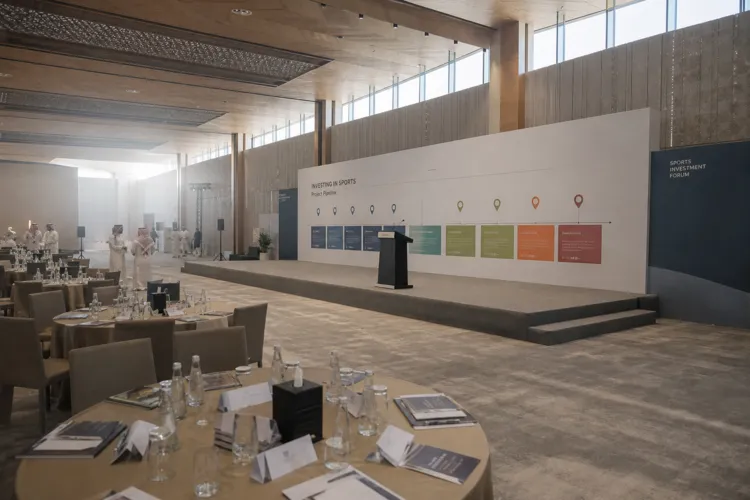
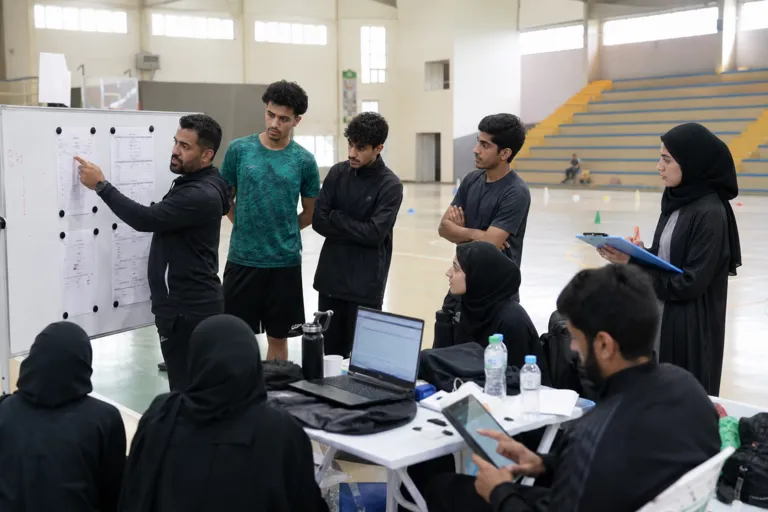
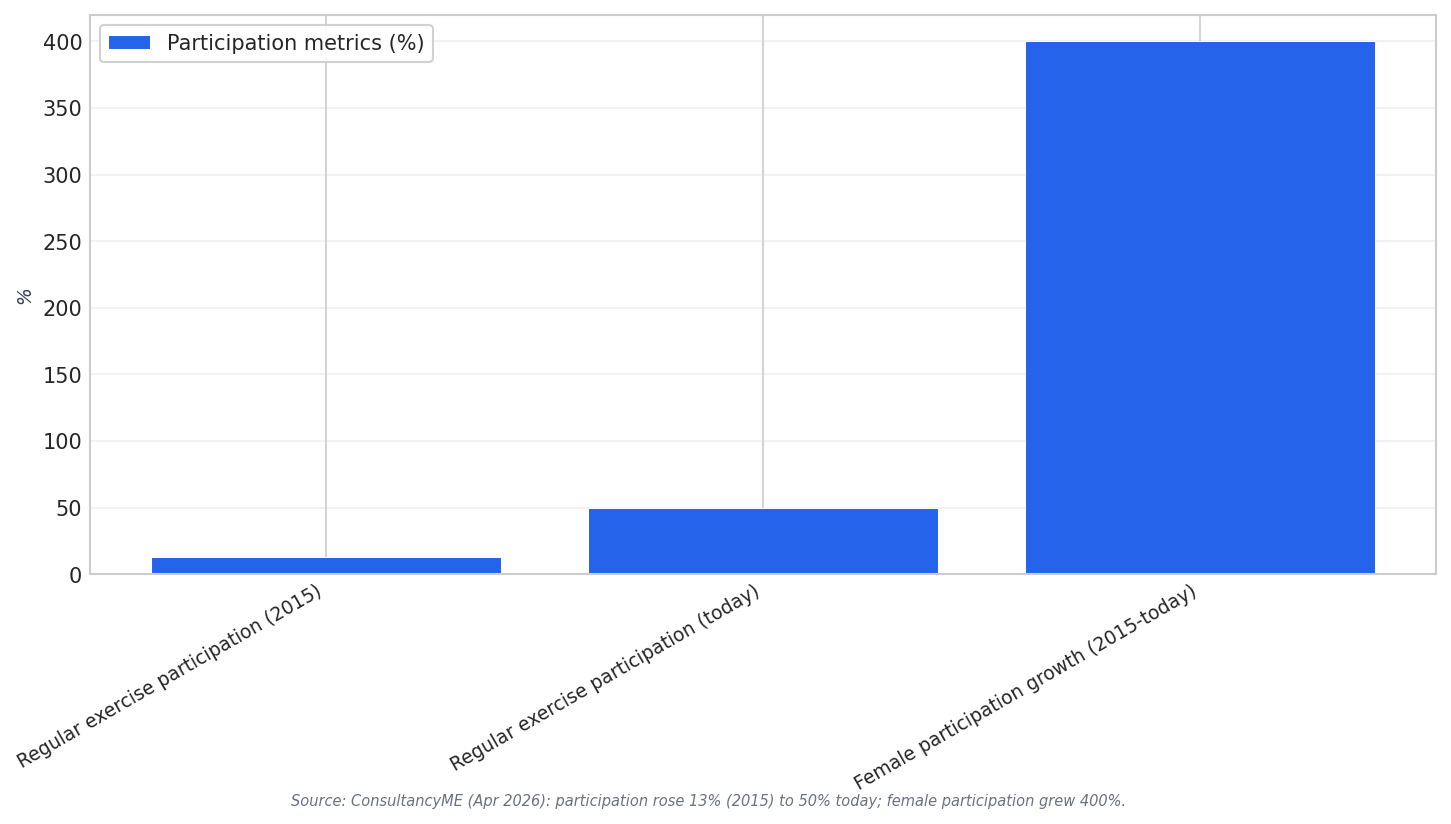
Saudi Arabia’s sports expansion is moving fast. Participation rates have risen from 13% of the population exercising regularly in 2015 to 50% today, and female participation has grown 400% in the same period. At the same time, the Kingdom is entering what many describe as its “golden sports decade,” with plans to host major events including the FIFA World Cup 2034, the Asian Games, and a packed calendar of Formula 1, golf, tennis, boxing, and esports. This surge creates demand for sports industry jobs Saudi Arabia needs to staff: coaching, venue operations, fan experience, event logistics, and performance pathways that help find and develop talent.
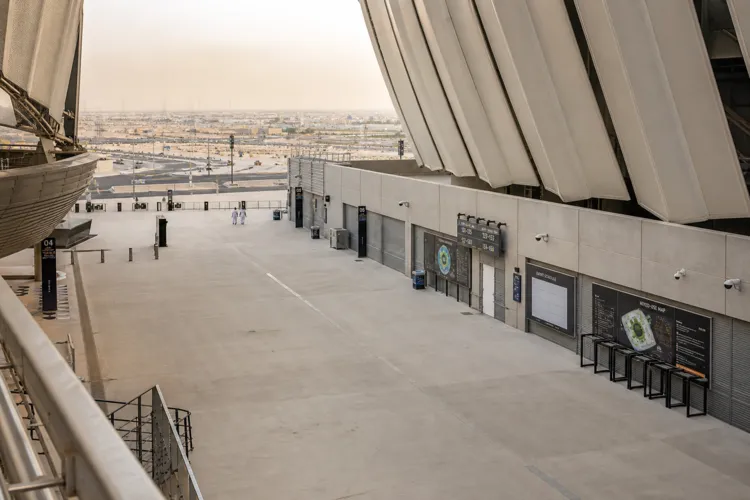
Infrastructure growth raises the stakes on workforce readiness. The sports market is projected to grow to $22.4 billion by 2030, up from $1.3 billion in 2016, with $2.7 billion committed to facility development by 2028. Construction on 15 new smart stadiums is underway. But the legacy will be judged by more than new builds. The same source warns that the difference between a 20% utilised venue and an 80% utilised one is not design, but demand and supply modelling. That shifts attention to the people who plan programmes, schedule events, build communities, and run commercial operations that keep venues busy.
From Facilities to Pathways: Turning Demand Into Skills
Closing the talent gap needs connected pathways, not isolated training. The sports pipeline starts with a child “discovered by a coach, in a facility, connected to a programme, in the right community,” not by a World Cup alone. It also depends on aligned federation pathways so that infrastructure translates into performance and participation. In parallel, workforce strategy in Saudi Arabia is increasingly shaped by talent mobility solutions. One Arab News report says talent mobility is poised to become a central driver of workforce strategy, with expectations around personalized, experience-rich career paths and rising demand for data analytics literacy. For sports, that points to a practical focus: workforce planning, analytics-aware managers, and operational leaders who can translate community demand into full calendars.
Skills-based workforce development is also gaining institutional weight. The Red Sea Development and Training Forum in Jeddah gathered more than 250 officials, experts, and academics under the theme “Building People, Empowering Capabilities, and Creating Impact.” Discussions consistently highlighted Saudization as a key driver reshaping the training ecosystem, supported by the Human Capability Development Program under Vision 2030. For sports industry jobs Saudi Arabia is trying to scale, this implies clearer role definitions and competency-based hiring, from match-day operations and venue services to coaching support, performance services, and fan engagement roles.
Workforce supply and inclusion trends matter, too. By the end of 2024, Saudi Arabia’s foreign workforce had grown to over 13.6 million, marking a 13.3% year-on-year increase and a 33.4% jump since 2019. At the same time, women’s workforce participation has risen to 34.5%, up from 23% in 2019, and overall private-sector employment among Saudi nationals has reached around 2.5 million. These shifts suggest a widening base of potential talent and a growing expectation of inclusive hiring. For sports employers, the opportunity is to convert these macro trends into structured entry points, progression routes, and retention strategies that match the scale of upcoming events and venue growth.
Why are sports industry jobs Saudi Arabia becoming more important now?
What is the biggest risk if the workforce does not keep up with new venues?
What kinds of skills are highlighted for future workforce strategy in Saudi Arabia?
What signals a shift toward skills-based development in Saudi Arabia?