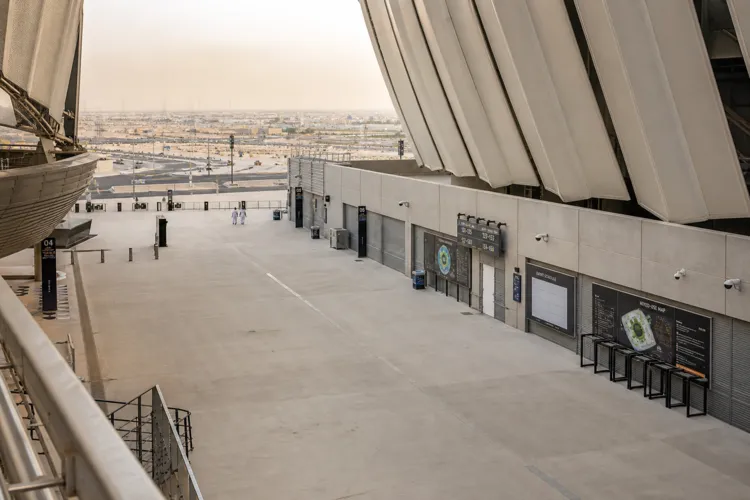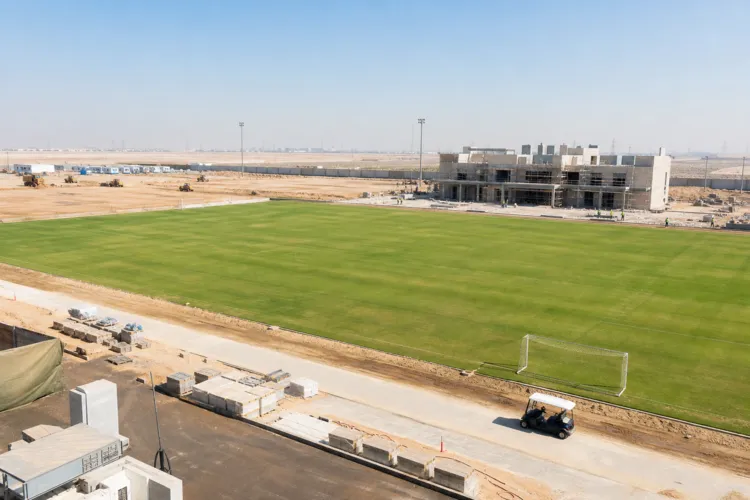
Saudi Arabia is using concession-style models to shift sports venues from single-purpose event assets into commercially managed, long-term platforms. The Ministry of Sport has already offered a three-year contract to operate and manage multiple venues in the Makkah region, including King Abdullah Sports City Stadium in Jeddah, Prince Abdullah Al-Faisal Stadium in Jeddah, King Abdulaziz Stadium in Makkah, and the indoor arena at King Abdullah Sports City. In parallel, the Ministry of Sport, working with the National Center for Privatization & PPP (NCP) and the Riyadh Region Municipality, launched the EOI and RFQ for Prince Faisal bin Fahad (PFBF) Sports City in Riyadh under a Design, Build, Finance, Operate, Maintain (DBFOM) structure with a 20–30 year term. Together, these signals matter for sports facility concession contracts because they show two ends of the risk spectrum: short, operations-led outsourcing and long-term, lifecycle-accountable PPP delivery.
“Bankable” starts with allocation that lenders and sponsors can understand, then implement under Saudi procurement. For PFBF, the private partner is expected to deliver the asset and carry long-term operations and maintenance accountability. That pushes bidders to price whole-life performance, not only construction. The procurement notice discipline also matters: interested parties were asked to submit Statements of Qualification by October 13, 2025 at 3:00 PM KSA time, and commentary on the pathway described movement from EOI into technical and financial pre-qualification, then an RFP for shortlisted bidders, followed by contract award, financial close, and execution. Contract drafting should mirror that sequence with deliverables that map to each stage, and with operations and maintenance requirements treated as core bid obligations rather than optional add-ons.
Terms That Bank: Scope, Capacity Definitions, and Lifecycle Clarity
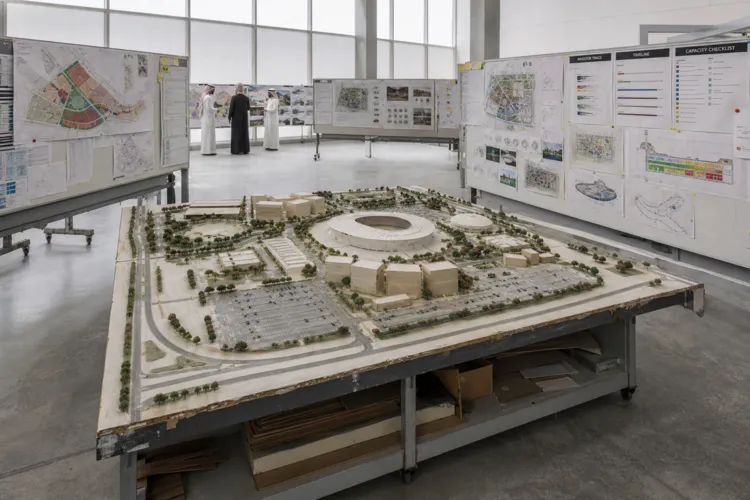
In stadium concessions, ambiguity kills financing. PFBF illustrates why definitions belong in the contract, not in marketing slides. Early notices described the new stadium at approximately 47,000 spectators. Later reporting tied the PPP scope to a FIFA World Cup Group Stage Round of 32-compliant stadium with a 42,371-seat capacity (total 46,870), and another reference noted a proposed capacity of 46,865 people following refurbishment. These close-but-different numbers underline a practical rule: seat counts, total capacity, and refurbished versus new-build outputs must be locked down as contract requirements and verification tests during qualification and procurement. The master planning obligation also needs crisp scope boundaries, because the scheme calls for a new stadium planned north of King Abdullah Park in Al-Malaz adjacent to the current facility, alongside a wider master plan covering both the new and existing stadiums.
Commercial upside also needs to be structured into enforceable operating terms. Arab News quoted a sports lawyer noting that the strategy is to develop stadiums as long-term economic assets, with “commercial activation outside football” rather than focusing only on match-day capacity. Practically, that means concession terms should govern programming and partner models that keep calendars active beyond headline events, which aligns with feasibility guidance that legacy use must translate into measurable operating assumptions about who uses the venue beyond major competitions and how partnerships keep the calendar active. On the revenue side, Saudi venue operations planning also recognizes that match-driven demand can spill beyond stadium catering into restaurants, cafés, fan zones, transit areas, and neighborhoods where fans stay. That implies concessions and vendor management need to address multi-location logistics and time windows, and to support a balanced vendor slate that combines resilient core concessions with curated partners that can deliver local identity at scale.
Finally, concession contracts must be written for the government procurement environment, not in isolation. A Vision 2030 procurement guide describes government contracts and procurement as a SAR 400B+ annual market and notes that the Government Tenders and Procurement Law (GTPL) was updated in 2019, with the Etimad platform established as the centralised electronic procurement system where tenders above specified thresholds are published. The same guide highlights localisation through the Local Content and Government Procurement Authority (LCGPA), with local content scoring accounting for a significant portion of evaluation criteria and localisation premiums of ten to thirty percent applied in competitive evaluations. Separately, a privatization pipeline analysis describes Vision 2030 targeting the public sector share of Saudi national employment to move from approximately 70 percent to 40 percent. For concession structures, these points support terms that operationalise local delivery obligations, evaluation compliance, and reporting, so the deal remains both financeable and tender-ready.
What contract terms are most important in Saudi sports facility concession contracts?
What is the current concession-style opportunity in the Makkah region?
Why do capacity definitions need special attention in stadium PPP contracts?
How does Saudi procurement shape concession drafting for sports venues?
What does “commercial activation outside football” imply for stadium operators?