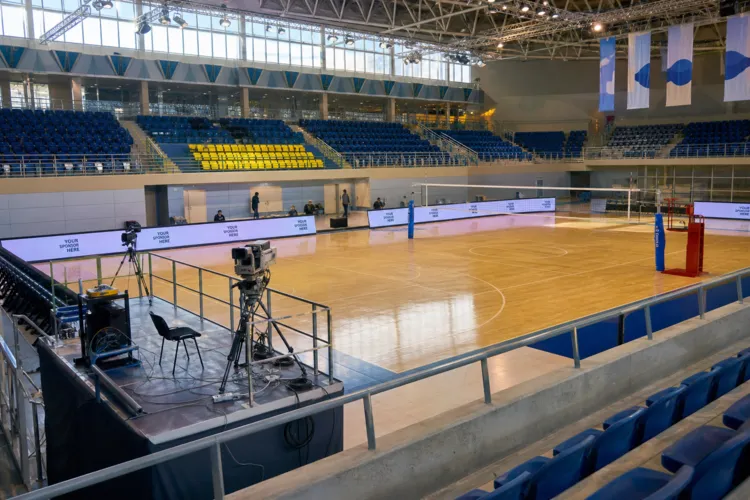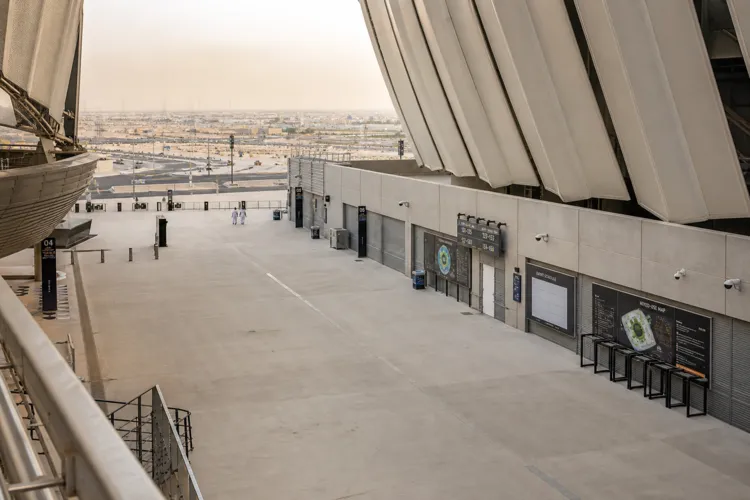
Saudi Arabia’s cricket opportunity is no longer theoretical. A new cricket stadium is being positioned as a strategic move to attract international events and develop local talent, tied to a broader national commitment to investing in sports under Vision 2030. The same source frames the project as a “major investment” intended to pull in tourists, create jobs during construction, and support long-term employment at the venue. For investors assessing cricket investment in Saudi Arabia, that matters because it anchors the market in physical infrastructure that can host events, concentrate spending, and create repeatable match-day experiences that can be commercialized.
Sports tourism trends add a second demand layer. In a sports tourism report, the cricket segment is projected to register a 19.1% CAGR from 2026 to 2033, driven by fans seeking immersive, live match experiences rather than watching remotely. The same report states that 40% of ticket sales so far are to international fans, highlighting Saudi Arabia’s growing profile in global sports tourism and live entertainment. Those two data points do not prove cricket-specific traction inside the Kingdom, but they do support the thesis that well-packaged live events and travel-linked entertainment can pull cross-border audiences.
Where Returns Could Come From: Tech, Gear, and New Formats
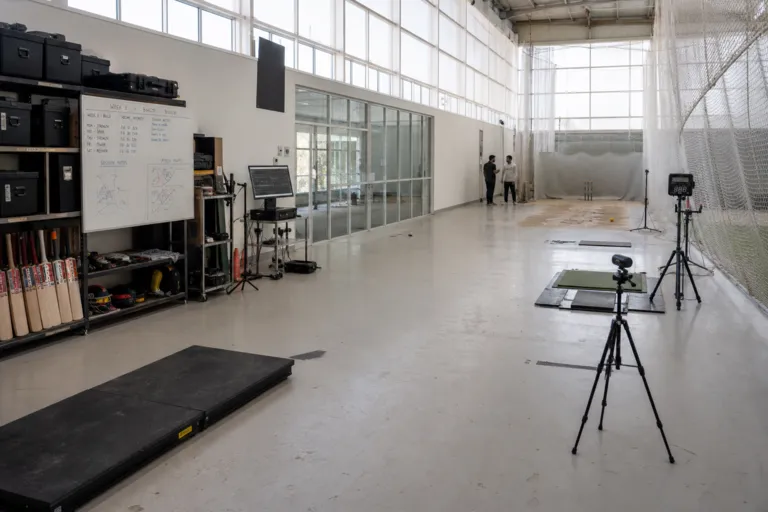
Technology is becoming a core monetization and performance lever in modern cricket. One market report values the global cricket analysis software market at $1.8 billion in 2025 and projects it will reach $4.7 billion by 2034, expanding at an 11.2% CAGR from 2026 to 2034. The same source links adoption to the expansion of franchise leagues, advanced sensor technologies in broadcasting, and real-time analysis needs across professional and amateur ecosystems. It also notes a notable uptick in demand from sports academies in Asia Pacific and the Middle East in 2025 and 2026, which is relevant context for regional readiness even when country-level splits are not provided.
On the consumer side, equipment and participation economics can matter as much as media rights. A cricket equipment market outlook includes a Middle East & Africa section with a specific Saudi Arabia cricket equipment revenue figure presented for 2020–2032 (shown as “Saudi Arabia Cricket Equipment Revenue, (US$, Mn), 2020-2032” in a country figure list), but the source excerpt does not provide the actual values. Still, the same report describes women’s cricket professionalization and increasing viewership as a major opportunity, creating demand for equipment tailored for female athletes. It also flags that inclusion in major multi-sport events like the Olympics can catalyze new consumer bases, which can amplify sales momentum when supply chains and retail distribution are ready.
Investors should also price governance and scheduling risk into any new league strategy. A global cricket market source states that the BCCI and ECB have jointly opposed the creation of a new Saudi Arabia-backed T20 league, citing concerns over scheduling conflicts, player welfare, and disruption to existing competitions. The same source frames North America and the Middle East as emerging growth regions driven by infrastructure investment, international tournaments, and efforts to popularize shorter formats. It also highlights opportunities in advanced technologies such as smart stadiums and digital engagement platforms, plus streaming services that enable pay-per-view models and targeted advertising—channels that can support revenue resilience if event calendars become constrained.
What supports the case for cricket investment in Saudi Arabia right now?
How fast is cricket sports tourism projected to grow?
What do the sources say about cricket technology investment trends?
Is there a risk to launching a new Saudi-backed T20 league?