To launch in the sports analytics market Saudi Arabia, build for a market that is still investing but is also reassessing priorities. Reporting around Saudi sports deals highlights that decision-makers are evaluating what has worked and what has not, and that support for some efforts is not seen as sustainable over the long run. That creates an opening for analytics products that prove operational value, not just marketing value. Your business case should therefore focus on measurable performance, risk, and planning outcomes that can survive budget scrutiny.
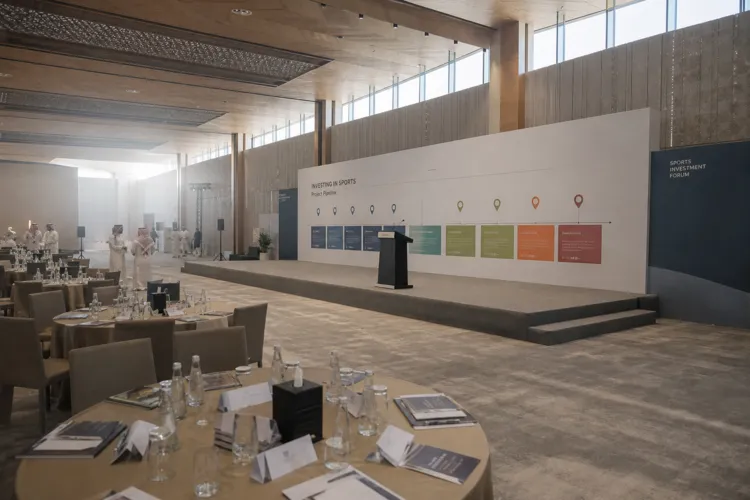
Start with a product ladder that sells confidence. The Sports Investment Forum 2026 was linked to fresh financing announcements in sports medicine, marketing, digital tech, and performance analytics. That signals buyer interest in performance analytics alongside broader digital tech. Offer a core performance analytics package and a second layer for decision support. Keep implementation practical, because Saudi Arabia has also been described as a global testbed for large-scale solutions that address critical data challenges, supported by increasing AI investments and progressive regulatory initiatives.
Pricing: Align to Sustainability, Not Blank Checks
Price your offer to match the market’s shift toward sustainability. Coverage of LIV Golf notes funding withdrawal after 2026, and separate reporting says Saudi Arabia is constantly reassessing priorities and that investment strategy can shift accordingly. In this environment, avoid pricing that depends on open-ended experimentation. Use clear tiers: a fixed-fee diagnostic, a subscription for ongoing reporting, and an optional advisory retainer for executive decision cycles. This approach fits buyers who want continuous reassessment while controlling exposure, and it supports renewals when leadership asks what delivered value.
For client strategy, aim first at institutions with scale and internal complexity. Saudi Awwal Bank, formed in 2019 through the merger of SABB and Alawwal Bank, is described as one of the Kingdom’s largest banks with more than 5,000 employees, over 80 branches, and total assets exceeding SAR 454 billion. It also has strategic ties with HSBC, which holds a 31% stake. Even if a bank is not your end user, these organizations can be partners, sponsors, or channel allies for sports analytics initiatives that touch payments, fan programs, or event operations.
Build partnerships and credibility fast, because relationship-led entry is already common. MMJS Consulting signed a strategic partnership with Saudi Awwal Bank, showing that large Saudi institutions do formal alliances with service firms. In parallel, advisory players are strengthening data-led capabilities in the Gulf. Your go-to-market should therefore combine direct selling to sports bodies with a partner motion via consultancies and financial institutions. Finally, keep your offer flexible for an environment where the $900 billion PIF is central to national transformation, but where sports projects can still be reconsidered, scaled back, or reprioritized.
What does the sports analytics market Saudi Arabia signal about demand right now?
Which product area should a new sports analytics firm prioritize in Saudi Arabia?
How should pricing be structured given shifting investment priorities?
Who are practical early partners for market entry?