
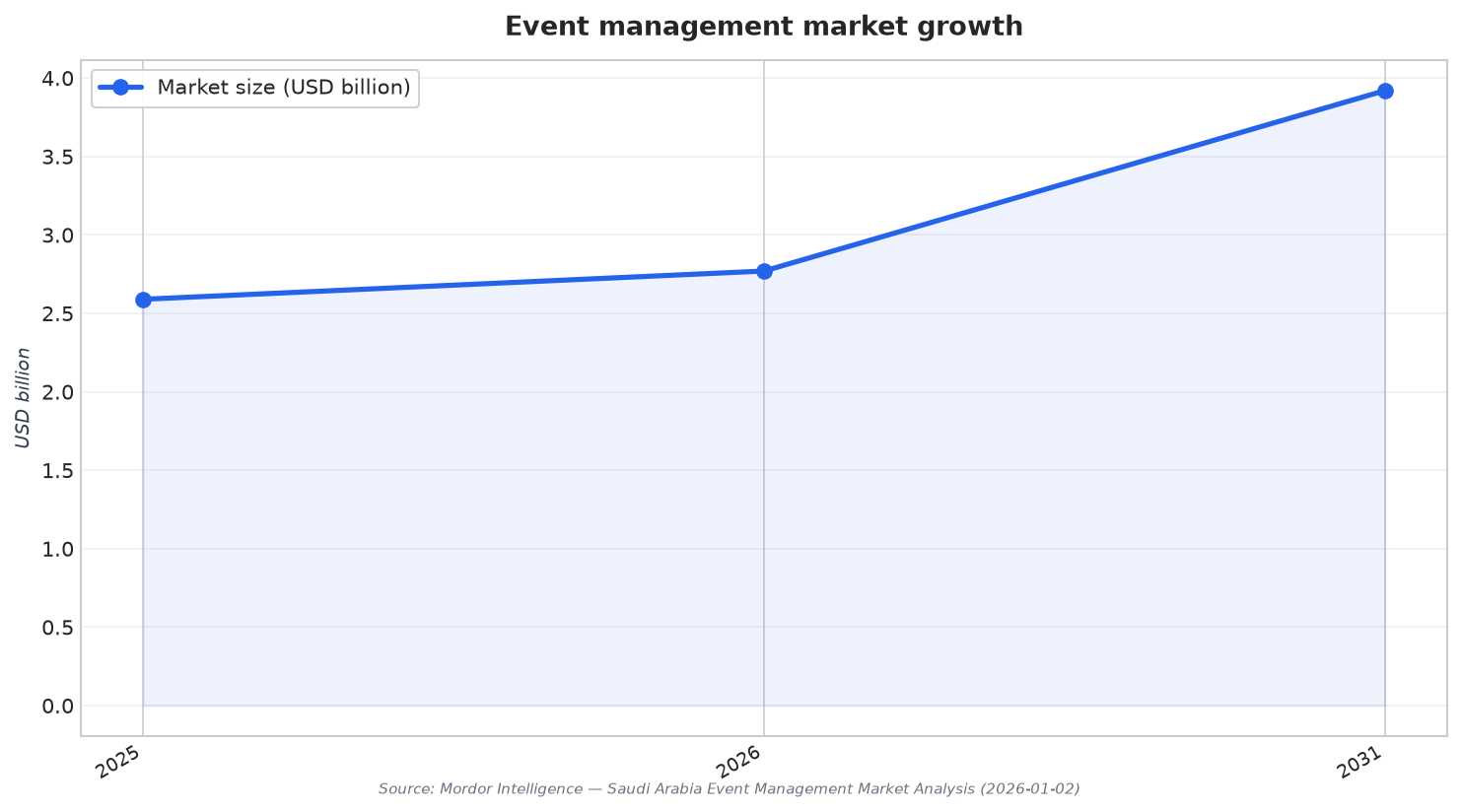
Monetizing the Saudi Games is easiest to understand by looking at where Saudi Arabia’s wider event economy is already earning money. Mordor Intelligence forecasts the Saudi Arabia event management market to grow from USD 2.59 billion in 2025 to USD 2.77 billion in 2026, reaching USD 3.92 billion by 2031, at a 7.14% CAGR over 2026–2031. In that same dataset, ticket sales represented 54.92% of the market share in 2025, while sponsorships are expected to rise at a 12.85% CAGR between 2026 and 2031. For a national multi-sport event, that mix suggests a practical playbook: protect ticketing yield, then build sponsorship packages that scale across venues, broadcasts, and digital surfaces.
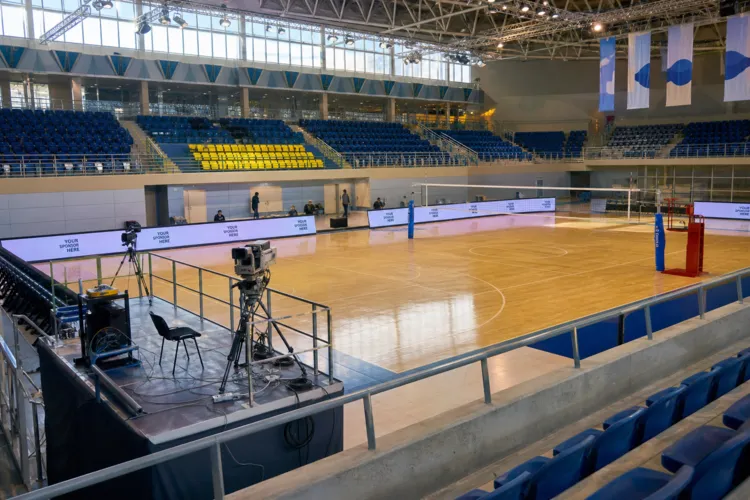
Venue readiness and utilization also shape what can be sold. Mordor Intelligence notes that average venue utilization reached 68% in Riyadh and 61% in Jeddah as of 2025, which matters because sponsors pay for attention, not empty seats. The same source says ticketing platforms using AI have driven a 15% uplift in average revenue per attendee by personalizing offers and dynamic pricing. For the Saudi Games, that points to bundling inventory across sessions and sports, then using pricing and offer logic to push attendance into less popular time slots. The commercial effect is higher in-venue impressions, more measurable footfall for partners, and clearer value for hospitality and experiential add-ons.
Sponsorship and Broadcast: Rights, Distribution, and Risk
A sponsor proposition works best when distribution is treated as the anchor asset. Saudi Sport Consulting cites FIFA accounts saying television broadcasting rights contributed “the lion’s share” of annual revenue in 2025, worth more than USD 1 billion. That figure is not about the Saudi Games, but it frames a commercial logic that still applies: rights value rises with reach and packaging discipline. Technavio also links sports sponsorship market expansion to over-the-top streaming services, programmatic digital advertising, and digitally overlayed ads that can be geotargeted for different global markets. For a multi-sport national event, that creates room for tiered partners, sport-specific packages, and geo-tailored messaging in broadcast and streaming environments.
However, the Saudi Games commercial strategy also needs risk planning because sponsorship now travels with public scrutiny. Saudi Sport Consulting reports that after FIFA announced its deal with Aramco, more than 130 professional women’s soccer players from 27 countries sent an open letter urging FIFA to end the sponsorship due to environmental and human rights concerns. Wikipedia’s overview of sportswashing in Saudi Arabia describes ongoing criticism by human rights groups around major events and sponsorships, and it notes Aramco’s long-term global sponsorship agreement with Formula One that includes branding on circuits, digital platforms, and race broadcasts. For the Saudi Games, that context argues for clear partner guidelines, scenario planning for activations, and measurement that can show outcomes beyond short-term sales, such as awareness and reputation effects.
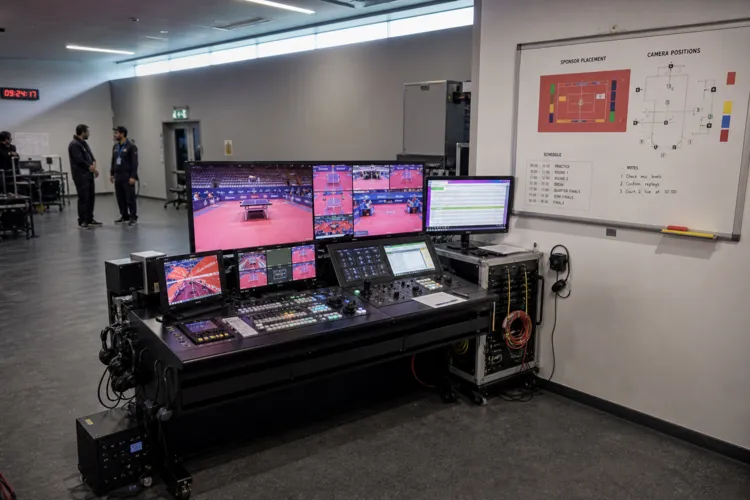
Vendors can monetize the Saudi Games by selling the infrastructure that makes those rights measurable and repeatable. Mobility Foresights states that growing commercialization of sports in Saudi Arabia, including broadcasting and sponsorship deals, is increasing demand for analytics to optimize fan engagement and revenue streams, with applications including ticket pricing and broadcast optimization. Technavio adds that real-time broadcast analytics and AI-driven adjustments that react to game intensity are becoming standard, and that models incorporating social impact sponsorship metrics show a 15% improvement in overall brand sentiment. In parallel, Makreo describes the Saudi Arabia esports market as predominantly fueled by sponsorship revenue, reflecting substantial corporate support in high-profile events such as Gamers8. Together, these signals support a vendor roadmap: analytics integration, programmatic-ready ad tech, and sponsorship operations that can extend from venues to streams to community-facing programs.
What revenue levers matter most for monetizing the Saudi Games?
How can AI and analytics support a Saudi Games commercial plan?
Why is broadcast distribution central to sponsorship packaging?
What reputational risks should sponsors plan for around major Saudi sports properties?
What does a strong Saudi Games commercial strategy look like in practice?