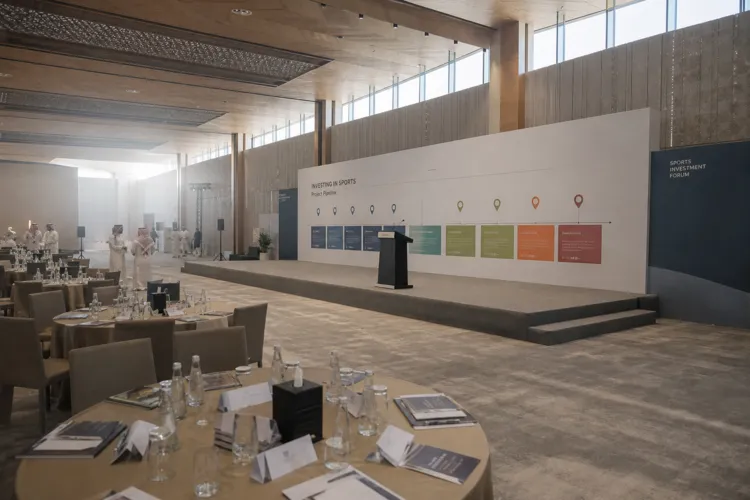
Saudi Arabia’s mega sports calendar is accelerating. In the coming ten years, the Kingdom will host more major sports events than most countries manage in a generation, including the FIFA World Cup 2034 and the Asian Games, alongside a packed calendar of Formula 1, golf, tennis, boxing, and esports. This pace makes sports event security Saudi Arabia a planning discipline, not a last-minute checklist. It also creates a new operating reality: multiple venues, overlapping audiences, and different stakeholder groups arriving at once. Security and crowd management have to scale with the calendar, not just with a single match night.
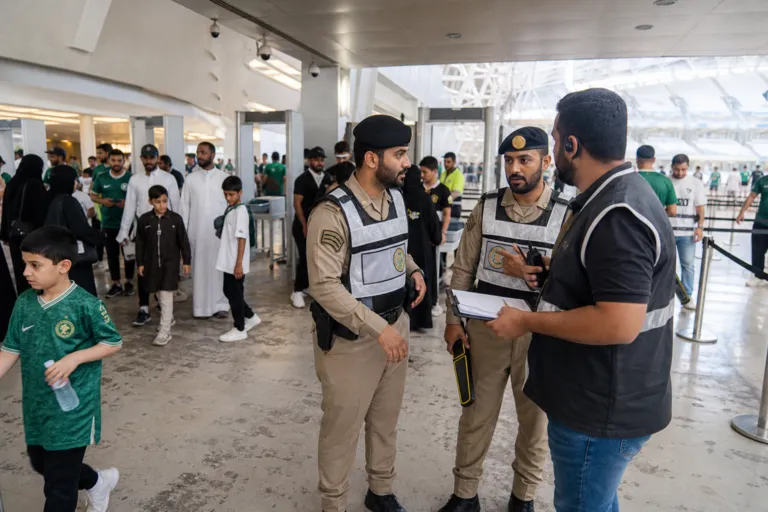
Saudi Arabia has an advantage that many host markets spend decades trying to build. It has long mastered surge logistics, crowd flow, and hospitality under extreme conditions, capabilities honed over centuries of managing Hajj and Umrah. Few places on the planet can coordinate millions of arrivals with that level of precision. For sports, the task is to translate these strengths into repeatable event playbooks for stadiums, arenas, and public fan environments. The same fundamentals apply: controlled entry, predictable routing, and operational discipline that keeps movement steady and prevents pressure points.
Crowd Management Starts With Design, Then Daily Rehearsal
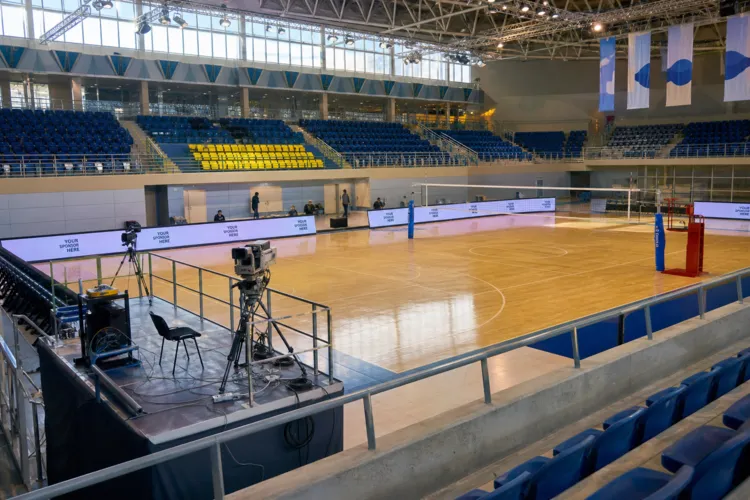
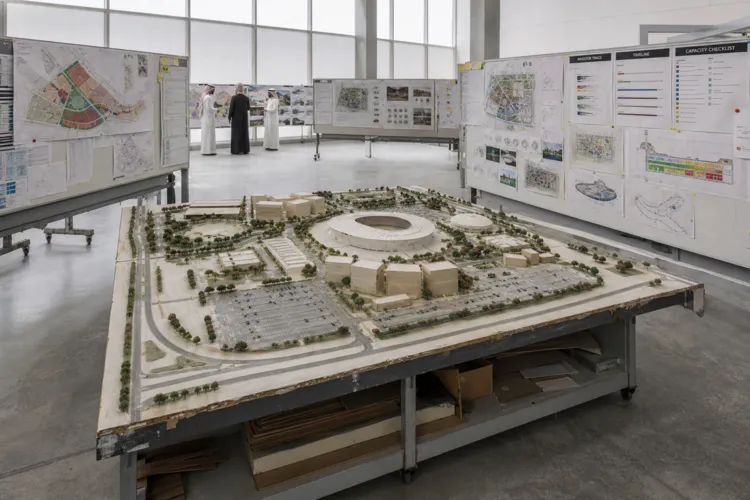
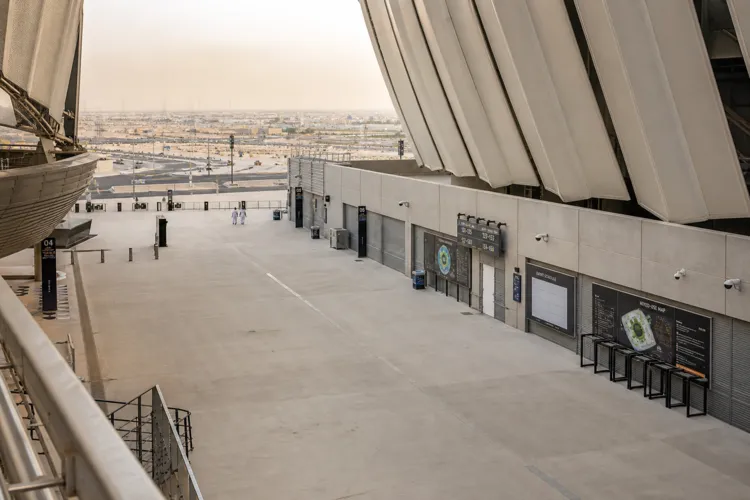
Infrastructure decisions set the ceiling for crowd safety. Saudi Arabia has $2.7 billion committed to facility development by 2028, and construction on 15 new smart stadiums is underway. These choices matter because crowd risk often forms in predictable places: narrow entrance areas, tight barrier funnels near stages, and routes where vehicles and foot traffic collide. Fan festivals also carry foreseeable risks, such as poor lighting along walking paths, cables or hoses crossing pedestrian routes, and emergency lanes blocked by vendor vehicles. The practical lesson is to treat fan zones less like casual gatherings and more like temporary stadium operations built from the ground up.
Saudi Arabia’s calendar also includes compressed, multi-event weekends. In Riyadh, it has already been demonstrated that esports and a major Riyadh Season boxing card can run in the same weekend. When planners schedule football in one venue one night and boxing in another the next, crowd management becomes a citywide sequence, not a single-venue problem. That makes transport interfaces, hotel flows, and arrival waves part of the security perimeter. Each site has its own layout and risk profile, so teams should resist copy-paste assumptions and instead re-map risks each time.
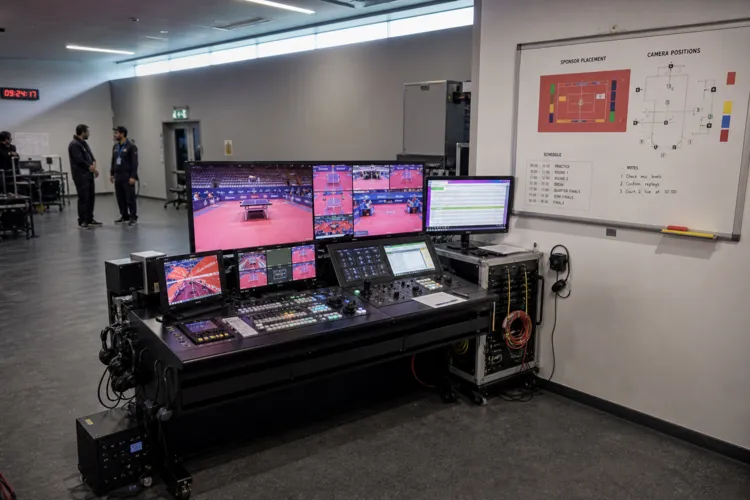
Modern event security is also behavioral and organizational. Protective intelligence includes understanding crowd dynamics and human behavior, and calm, visible control and clear authority can prevent incidents more effectively than force. Leadership under pressure is critical because decisions are made while adrenaline is high and the world is watching. At mega scale, the biggest challenge is often coordination across thousands of vendors, contractors, sponsors, broadcasters, transportation systems, hotels, and government partners, each bringing its own systems and risk profile. This coordination burden expands the attack surface and makes clear roles and communication pathways essential.
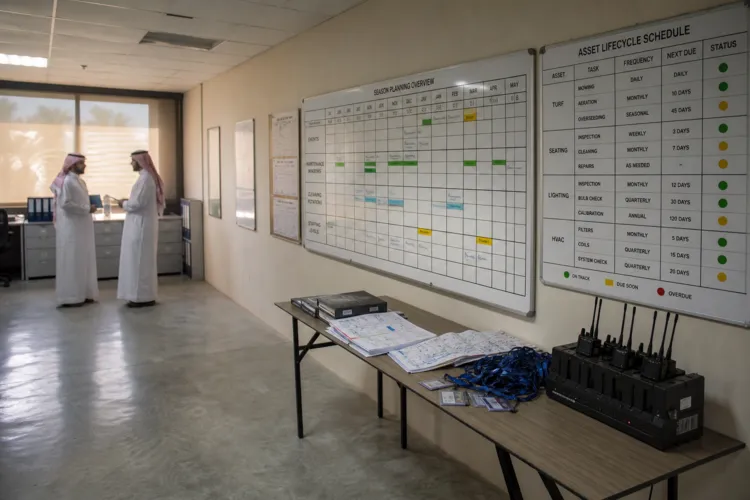
The goal is a durable operating legacy, not a one-off showcase. Saudi Arabia’s sports market is projected to grow to $22.4 billion by 2030, up from $1.3 billion in 2016, and that trajectory raises the stakes for consistent safety standards. The same venues designed for global tournaments should also be ready for everyday community use, which means dependable staffing, repeatable checks, and routines that work even when crowds are smaller. When the calendar is dense and the spotlight is global, sports event security becomes a continuous capability that has to be exercised daily, not activated only for finals.
What does sports event security Saudi Arabia need to prioritize during a mega calendar?
Why is coordination described as the biggest challenge at large events?
What common crowd risks show up repeatedly at fan festivals?
How does Saudi Arabia’s experience with Hajj and Umrah relate to sports crowd management?
What infrastructure signals matter for future event operations in Saudi Arabia?