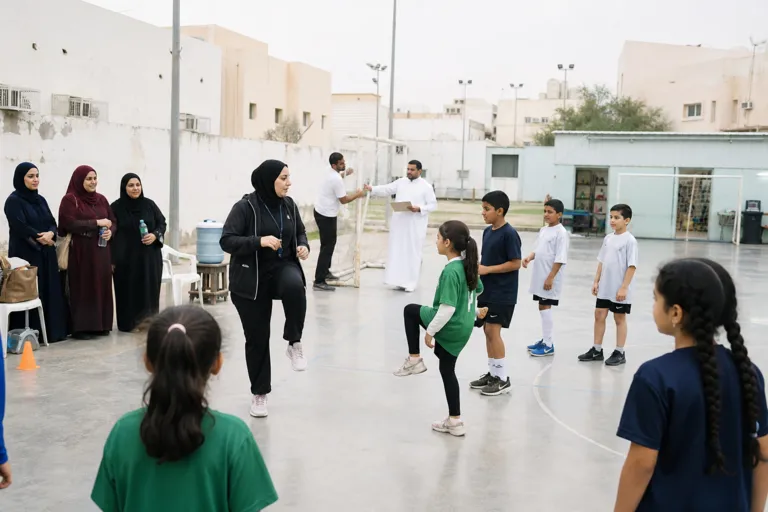
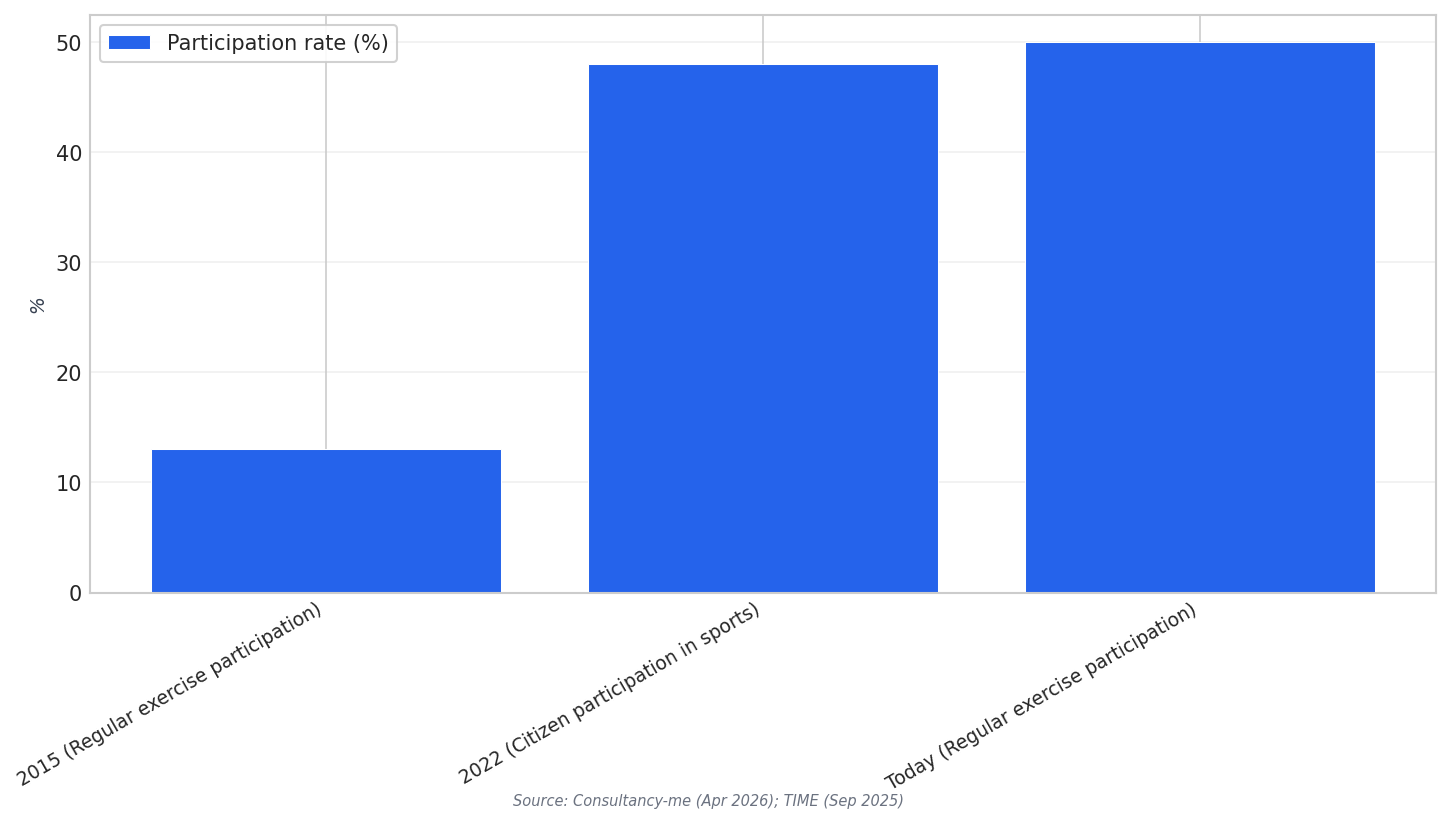
Scaling grassroots sports participation across Saudi Arabian communities starts with a clear baseline and a clear goal. Participation rates have risen from 13% of the population exercising regularly in 2015 to 50% today. Another source describes a similar rise, from roughly 13% in 2015 to over 48% by 2022, after authorities treated everyday sport as a mission of government. Female participation has grown 400% in the same period. That momentum matters most when it becomes local: a coach, a facility, a program, and the right community connection.
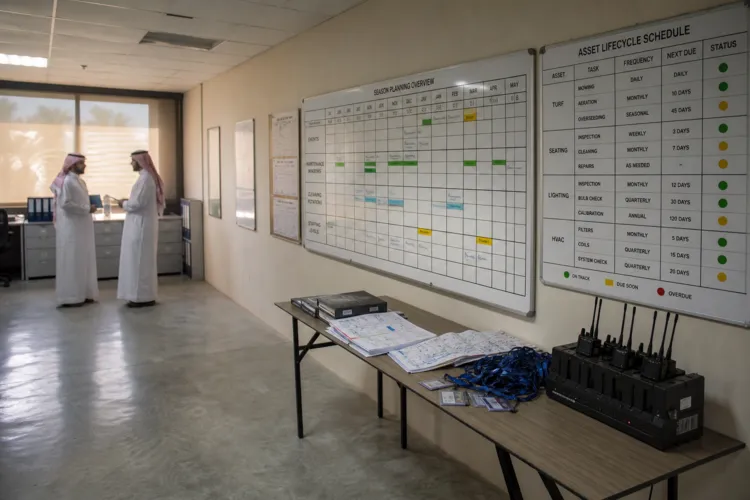
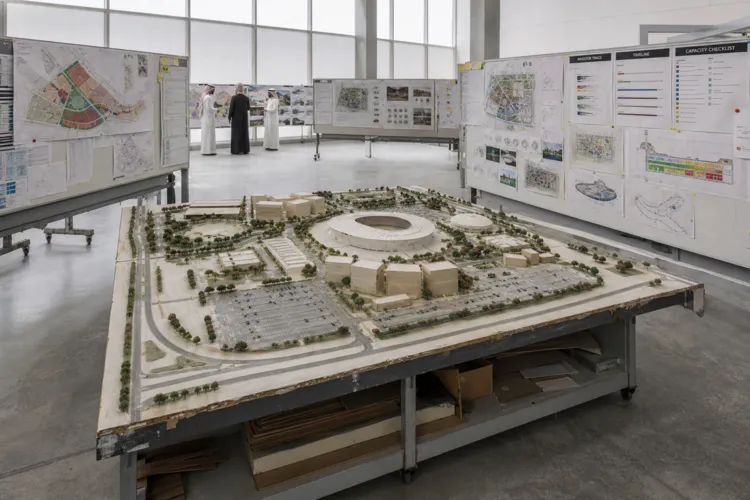
To keep growth consistent across neighborhoods, planners can map where people already play, where demand exists, and where gaps remain. The stakes are long-term, not just event-day. As one analysis puts it, the next Saudi Olympian is a child right now and will be discovered by a coach in a facility connected to a program in the right community. That same approach is relevant whether the pathway is athletics, taekwondo, para-powerlifting, sport climbing, or a discipline that is not yet developed at national scale.
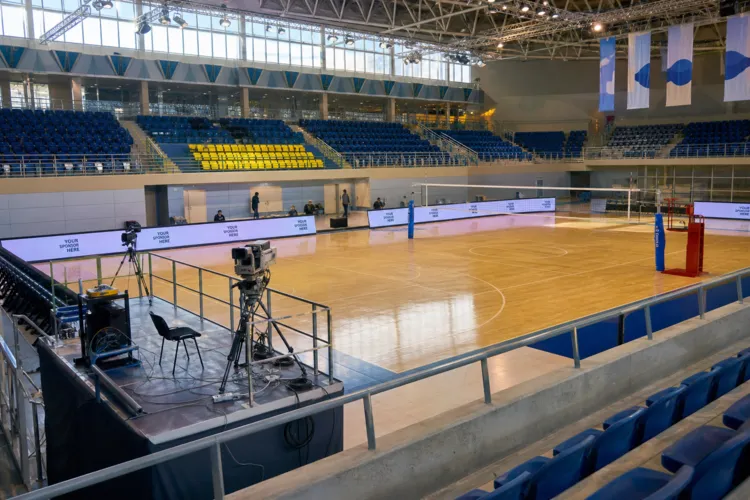
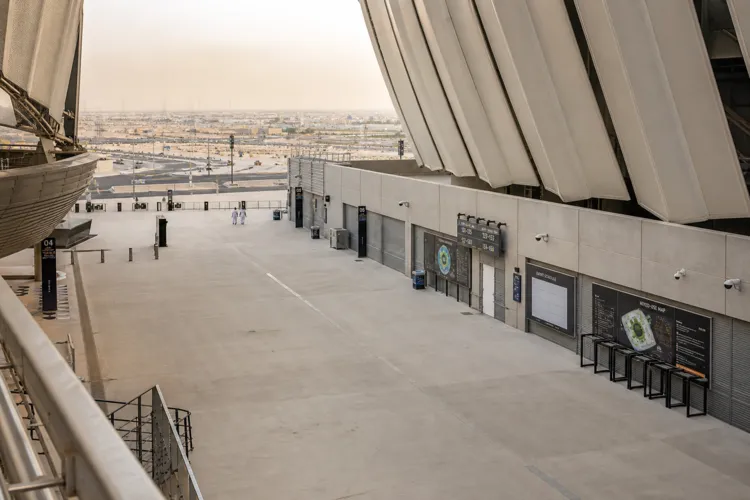
Funding and construction signals are strong, but they need local delivery to become participation. Saudi Arabia’s sports market is projected to reach $22.4 billion by 2030, up from $1.3 billion in 2016. There is $2.7 billion committed to facility development by 2028, and construction on 15 new smart stadiums is underway. At the same time, authorities set a target to lift weekly physical-activity rates to 40% by 2030. The practical question for communities is how these inputs translate into nearby access, regular programming, and coaching capacity.
Building Local Legacy Before the Spotlight
Legacy planning works best when it is built into infrastructure decisions from the beginning. A referenced example notes that after London 2012, 106 community facilities were upgraded and 400,000 Londoners participated in grassroots sport through a city legacy program, with Queen Elizabeth Olympic Park attracting more than 6 million visitors a year. The lesson for Saudi communities is to treat major-event readiness and local access as one plan, not two. This matters as the Kingdom enters what many describe as its “golden sports decade,” including hosting the FIFA World Cup 2034 and other major events.
Community scaling also means recognizing shifts in investment priorities without losing the participation mission. Reports suggest it is plausible the government is reallocating capital and reassessing parts of its wider sports portfolio, with geopolitical tensions and rising construction costs cited as pressures. Separate reporting notes that Saudi Arabia “is not going cold on sport,” but is evaluating what has worked and what remains to be delivered. For grassroots delivery, that implies a practical focus on programs with mass appeal, stable local partnerships, and facilities that stay busy week after week.
Finally, participation pathways should match how people engage today, including newer formats. Saudi Arabia launched the Esports World Cup in Riyadh in 2024, and the country also won bids to stage the first Olympic Esports Games in 2027 as part of a 12-year deal with the IOC. Traditional sport pathways are also broadening via new events, from tennis exhibitions created by the General Entertainment Authority to international flag football activity tied to Fanatics. For grassroots sports development Saudi Arabia, the best scaling strategy is simple: connect facilities to coaching and repeatable community programs, so participation gains stay durable.
What does “grassroots sports development Saudi Arabia” mean in practice?
How much has participation grown in Saudi Arabia since 2015?
What do the sources say about female participation?
What facility investments are cited that could support community participation?
Why is “legacy planning” important for scaling grassroots sport?