
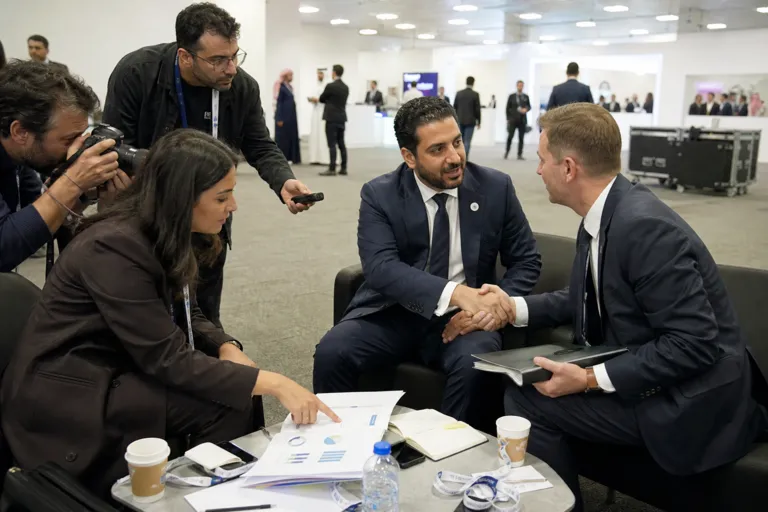
Saudi Arabia’s approach to sport is being framed as a sustained effort to position the Kingdom as a global hub for sports, a regional center for collaboration, and a model for socio-economic transformation through sport. Multiple sources describe this as sport used for soft power and statecraft, not just event marketing. The programme is tied to building partnerships across event hosting, athlete development, institutional leadership, and what one analysis calls global sports diplomacy. For brand partners, that shifts the core question from “Should we sponsor an event?” to “What role do we play inside a wider, state-backed strategy?”
The Public Investment Fund (PIF) is repeatedly described as the primary vehicle for Saudi sports investment and as the Kingdom’s investment driver, especially in sport. It has acquired Newcastle United (October 2021), backed LIV Golf, and invested in esports, motorsport, and combat sports. In advertising around the 2025 FIFA Club World Cup in the United States, the Saudi coast on the Red Sea was promoted as a tourist destination and the PIF logo appeared across stadium advertising hoardings. An IPS Journal report adds scale: by the end of 2024, the PIF was involved in 346 direct or indirect sports sponsorships and investments, and between 2021 and 2023 Saudi Arabia invested more than USD 6 billion in over 900 sponsorship agreements.
What the 2034 FIFA World Cup Means for Sponsor Value—and Risk
The announcement of Saudi Arabia as host of the 2034 FIFA World Cup is described as a milestone and the “crown jewel” of the broader effort. One source calls the World Cup “the world’s most-watched sporting event” and states it has a cumulative audience exceeding five billion. That level of attention can be hard to match through other channels, which is why major rights, sponsorship, and tourism narratives converge around mega-events. At the same time, analyses note scrutiny over spending and governance and a persistent “sportswashing” critique, particularly in Western commentary. For brands, that means the upside is enormous visibility, while the downside is reputational spillover if partnerships are not explained and governed carefully.
Brand partners should also read the domestic agenda as part of the value proposition, not a separate topic. Sources argue that domestic sports development is critical so transformation begins at home and resonates with the Saudi public. Another analysis describes a programme aimed at increasing participation, developing athletic talent, building world-class facilities, and creating a sports industry ecosystem aligned with broader social and economic objectives, including opening sporting opportunities for women and building sports-related education programmes, leagues, and academies. This matters for long-term brand positioning: partnerships can be framed around capability-building and community-facing programmes, not only logo placement.
International partners should expect a strategy built around rapid, high-visibility moves and deep asset accumulation across sports. One analysis points to the Saudi Pro League’s push to become globally competitive and notes recruitment of high-profile international players with contracts valued in the hundreds of millions of dollars, generating immediate global awareness. IPS Journal cites a high-profile example: Cristiano Ronaldo’s new contract at Al Nasser is described at USD 550,000 a day and over USD 200 million a year. Another report notes that more than a third of Saudi sponsorship deals were traceable to PIF or its subsidiaries. In practice, the Saudi sports diplomacy strategy increases reach and narrative power, but it also concentrates attention on partner selection, messaging discipline, and governance expectations.
What is Saudi Arabia trying to achieve through sports diplomacy?
How large is Saudi Arabia’s sports sponsorship and investment footprint?
Why does FIFA 2034 matter so much to international sponsors?
What role does the PIF play in Saudi sports deals?
How should brands think about the Saudi sports diplomacy strategy in practice?