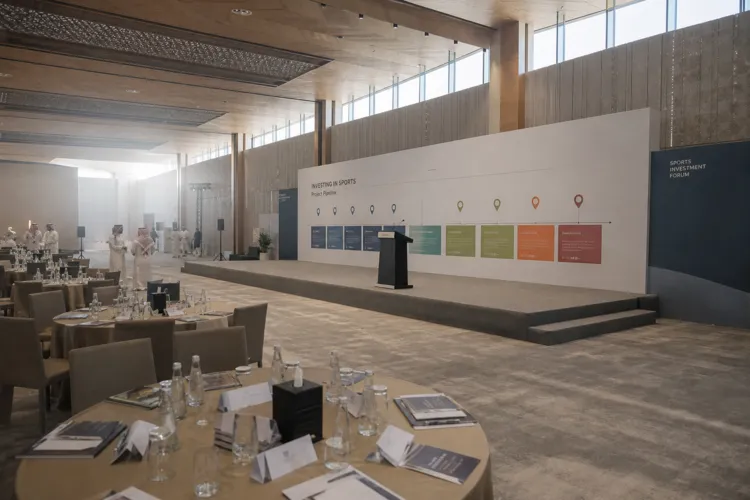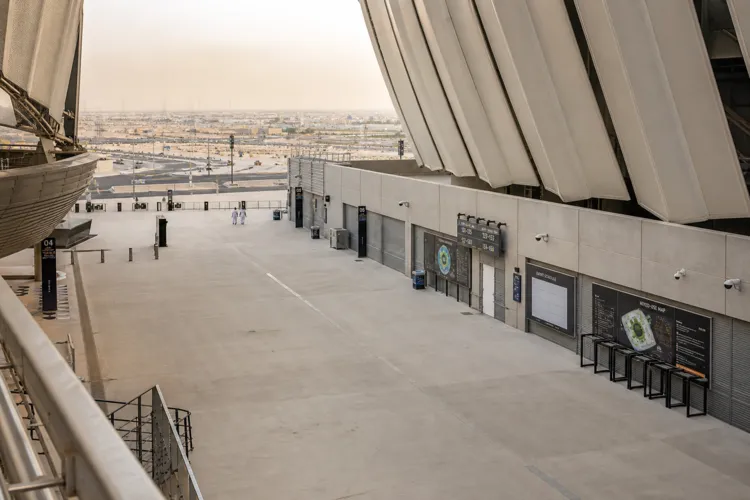
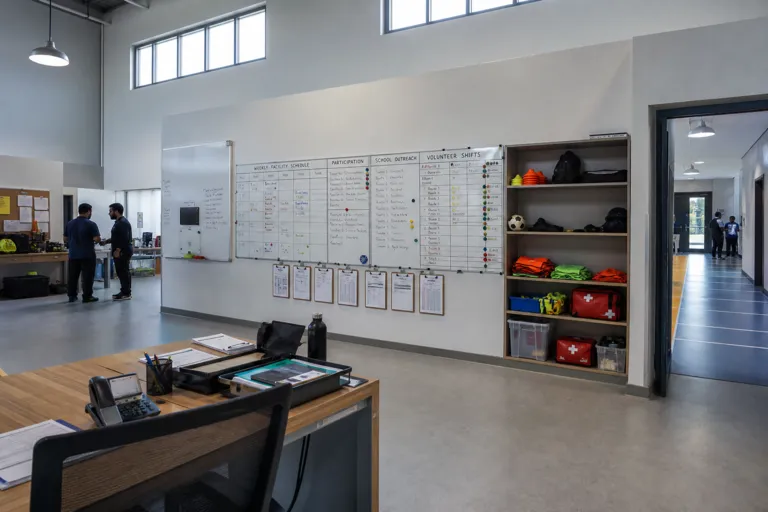
In Saudi Arabia, “sport for good” is increasingly structured around national transformation rather than one-off charity. Vision 2030 frames sport as connected to health, quality of life, tourism, private sector growth, youth development, women’s participation, and international events. That broad mandate matters for CSR because it nudges clubs, sponsors, and operators to build programs that can scale beyond matchdays and reach everyday life. It also aligns community work with the Quality of Life Program, described as aiming to improve life in Saudi Arabia by growing sectors such as culture, entertainment, sports, and tourism. In practice, this makes community sport a delivery channel for public priorities, not just a branding exercise.
Participation data helps explain why community programming is becoming a core design requirement. According to the General Authority for Statistics, 59.1% of adults aged 18 and above in Saudi Arabia engaged in at least 150 minutes of physical activity per week in 2025. The same publication reported that 19.0% of children and adolescents aged 5 to 17 achieved at least 60 minutes of physical activity per day. For clubs and sponsors, these benchmarks make it easier to define CSR outcomes around participation and access. They also reinforce a “from the base” approach described in Vision 2030 commentary: building a sports nation through access, coaching, facilities, and culture, not only elite performance.
How Clubs and Sponsors Structure CSR and Community Programs
One common structure for sports CSR community programs in Saudi Arabia is partnership with nationwide organizers and facility builders. The Sports for All Federation is described as coordinating nationwide initiatives reaching millions of citizens through community programs, while government infrastructure investments built hundreds of public sports facilities in previously underserved regions. That combination enables a layered model: a national coordinator defines campaigns, local clubs activate them through events and coaching, and sponsors fund visibility, equipment, and operations. A separate trend line emphasizes momentum: one source states that between 2015 and recent measurements, weekly physical activity rates surged to 48%. Even when data sources differ, the design implication stays consistent: CSR programs are built to move participation indicators, not just generate impressions.
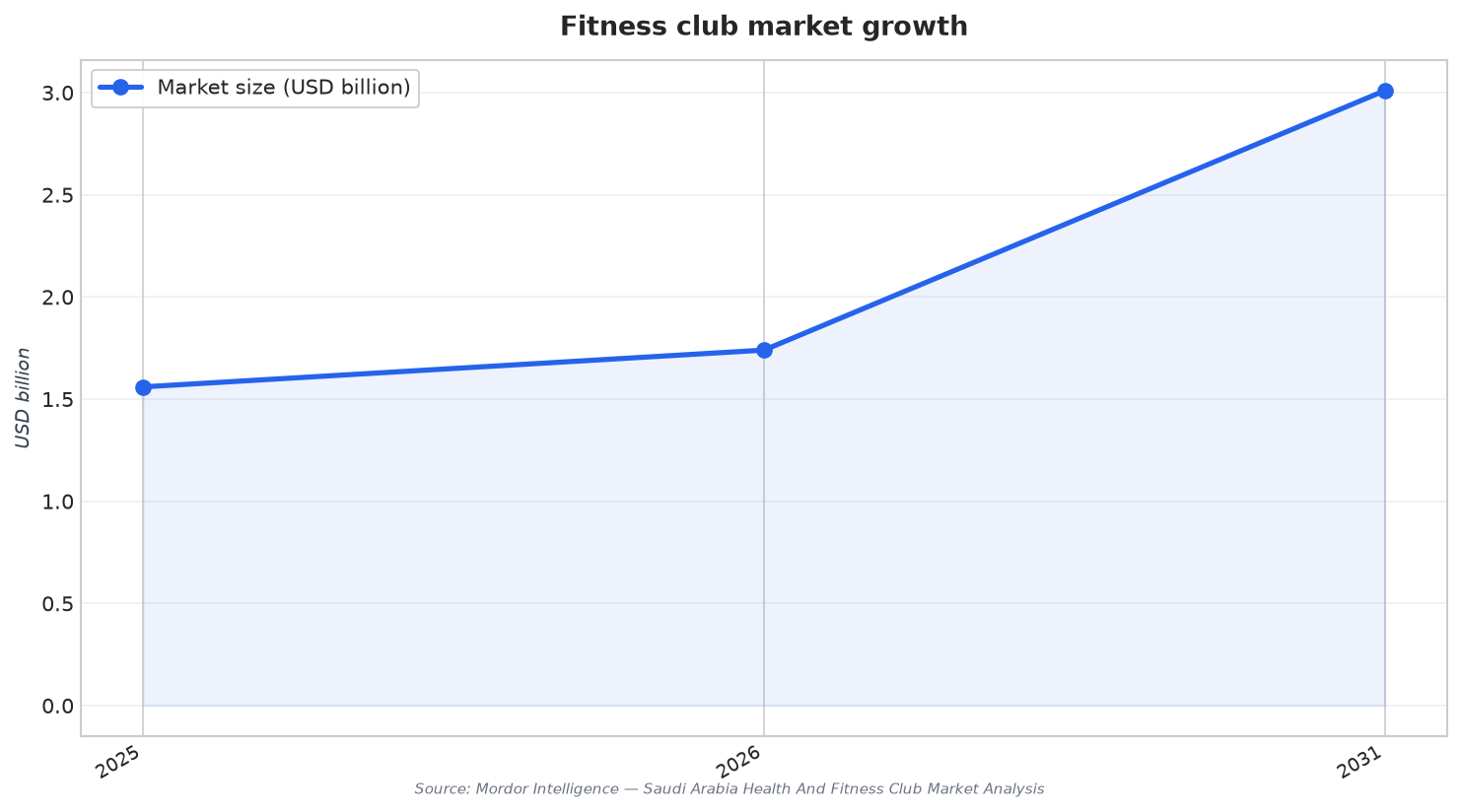
Funding logic is also becoming more operational and less ceremonial. In the health and fitness club market, membership fees represented 79.74% of revenue in 2025, indicating that recurring participation is the commercial engine behind many facilities. Independent operators held a 66.74% share in 2025, while chained facilities are projected to scale at a 12.67% CAGR to 2031. Sponsors can structure CSR by underwriting access pathways—such as community days, subsidized coaching, or beginner programs—because these can connect directly to sustainable membership models. The same market view notes women are the fastest-growing cohort, with a 13.05% CAGR to 2031, which encourages targeted community initiatives that broaden participation and align with national goals.
At the professional club level, CSR and community work often sits alongside broader “ecosystem” investment and private sector involvement. Commentary on the Quality of Life Program highlights encouraging private sector involvement to reinforce the community role of sports clubs, elevate fan engagement, and expand grassroots participation. Sponsorship growth in football can also expand budgets available for community activation: in the UK context of Newcastle United after the 2021 acquisition, commercial income rose 90% from £43.9 million to £83.6 million due to new sponsorship deals, illustrating how sponsorship can finance wider engagement work (even though those figures are not Saudi-based). Inside Saudi Arabia, the sports event market is reported at USD 4.9 million in 2024, with professional sports events holding a 75.51% revenue share that year, underlining how major events can be a platform for structured community add-ons.
How do sports CSR and community programs in Saudi Arabia align with Vision 2030?
What participation benchmarks are cited for Saudi Arabia that CSR programs can target?
Which organizations and investments support community sport delivery?
How can sponsors structure funding so community programs are sustainable?