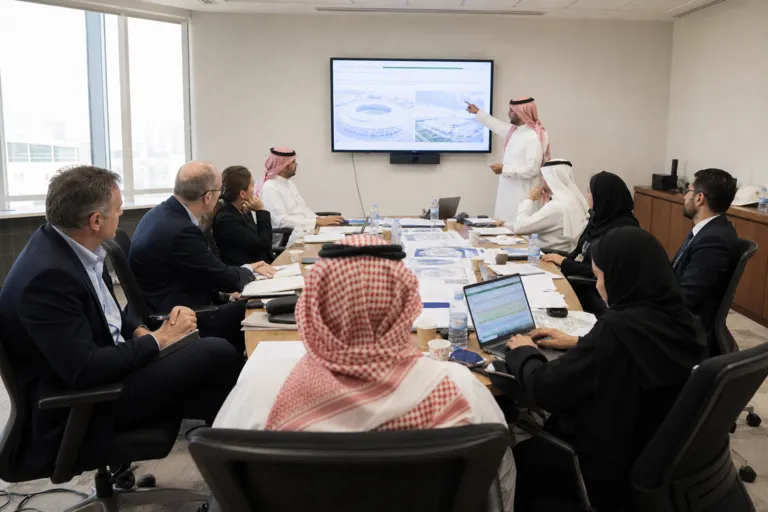
Sports governance Saudi Arabia is being reshaped by a rapid shift from overseas sports deals toward projects that bring direct domestic benefit. Saudi Arabia is entering what is described as its “golden sports decade,” with a pipeline of major events that includes the FIFA World Cup 2034 and the Asian Games, plus a packed calendar spanning Formula 1, golf, tennis, boxing, and esports. This volume of delivery changes what “good governance” looks like for a new entrant. Your market-entry plan should start with how responsibilities are split between public bodies and investment vehicles, and how that split affects contracts, approvals, and long-term operating commitments.
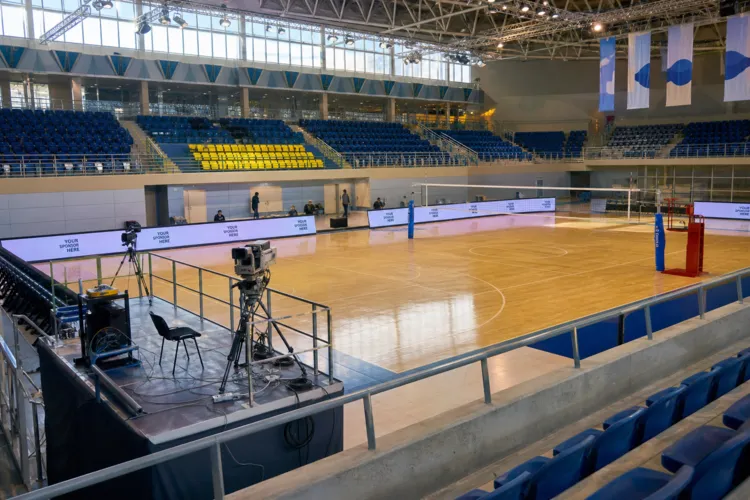
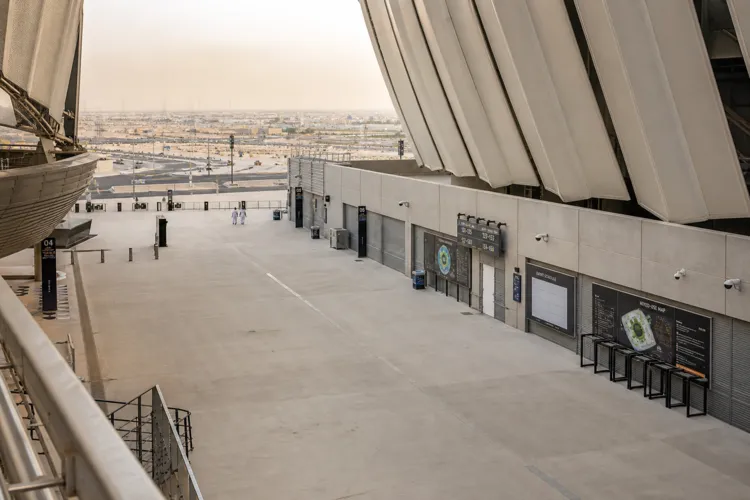
Regulatory expectations will follow the infrastructure and delivery agenda. To support major events such as the FIFA World Cup 2034 and the Asian Games 2034, Saudi Arabia is undertaking a vast programme of sports infrastructure development. Construction on 15 new smart stadiums is underway. There is also $2.7 billion committed to facility development by 2028. For market entrants, the practical governance question is not only “Can we build or supply?” but “Can we operate in a way that matches demand planning?” One source notes that the difference between a 20% utilised venue and an 80% utilised one is demand and supply modelling, and that without aligned federation pathways, even well-located infrastructure may not translate into elite performance.
Governance Signals to Watch Before You Enter
Start by tracking where authority and funding sit for your sport or product line. Through PIF, Saudi Arabia became a major sponsor of the ATP Tour and then the WTA Tour, including naming rights to the rankings on both tours. In parallel, the men’s World Cup in 2034 is described as a project bankrolled by the Ministry of Sport rather than PIF, and it was awarded uncontested in December 2024. This mix matters for regulation, because it can affect who signs, who pays, and what performance indicators define “success.” It also connects to recent reporting that there was “a shift” and that “everything in the PIF world [was] under serious review.”
Build your compliance and reputation plan into governance, not as an add-on. Critics have accused Saudi Arabia of “sportswashing,” and the country’s international standing was severely damaged by the 2018 killing of Jamal Khashoggi, alongside scrutiny over its use of the death penalty. Even when your entry is purely commercial, stakeholders may scrutinise partnership structures, marketing claims, and event-adjacent commitments. At the same time, participation signals are moving quickly inside the country. Participation rates rose from 13% of the population exercising regularly in 2015 to 50% “today,” and female participation grew 400% in the same period. Those figures suggest why programmes, coaching pathways, and community activation can become governance priorities alongside elite events.
Finally, map opportunity to a realistic revenue and delivery narrative. The sports market is projected to grow to $22.4 billion by 2030, up from $1.3 billion in 2016. Event economics also shape governance standards. Saudi Arabia’s Ministry of Sports and its Tennis Federation signed a three-year deal with the WTA Tour to host the WTA Tour Finals from 2024 to 2026. The event has offered record prize money of more than $15 million per year, and Elena Rybakina’s $5.235 million winner’s check for the 2025 final was reported as the largest in women’s sports history. For entrants, the takeaway is to align your product, services, or rights strategy with clear deliverables, clear counterparties, and a model that can withstand reprioritisation.
What does “sports governance Saudi Arabia” mean for market entry?
Which major events should entrants plan around in Saudi Arabia?
What infrastructure signals matter for governance and regulation planning?
What demand-side indicators support investment cases in Saudi sport?
What is one example of a structured sports deal in Saudi Arabia that affects market entry planning?