Premium sports hospitality Saudi Arabia programs now need to deliver more than a great view of the action. The Saudi Pro League (SPL) says it aims to create experiences that go beyond the 90 minutes of play, transforming every game week into a memorable event. That direction matters for VIP and corporate buyers. It frames hospitality as an end-to-end journey, not a ticket category. It also signals a wider expectation: competition, community, and culture should sit together in one story that resonates with fans worldwide.
Start by designing hospitality that supports business goals, not only entertainment. The SPL’s long-term partnership with Maaden highlights why: Maaden’s CEO said the league offers a platform to connect to a significant audience of passionate football fans across Saudi and internationally, while also engaging employees and inspiring a new generation of talent. That is a clear corporate use case. Packages can be shaped around employee engagement, career storytelling, and brand presence, while still delivering premium service, curated moments, and easy hosting for leadership and clients.
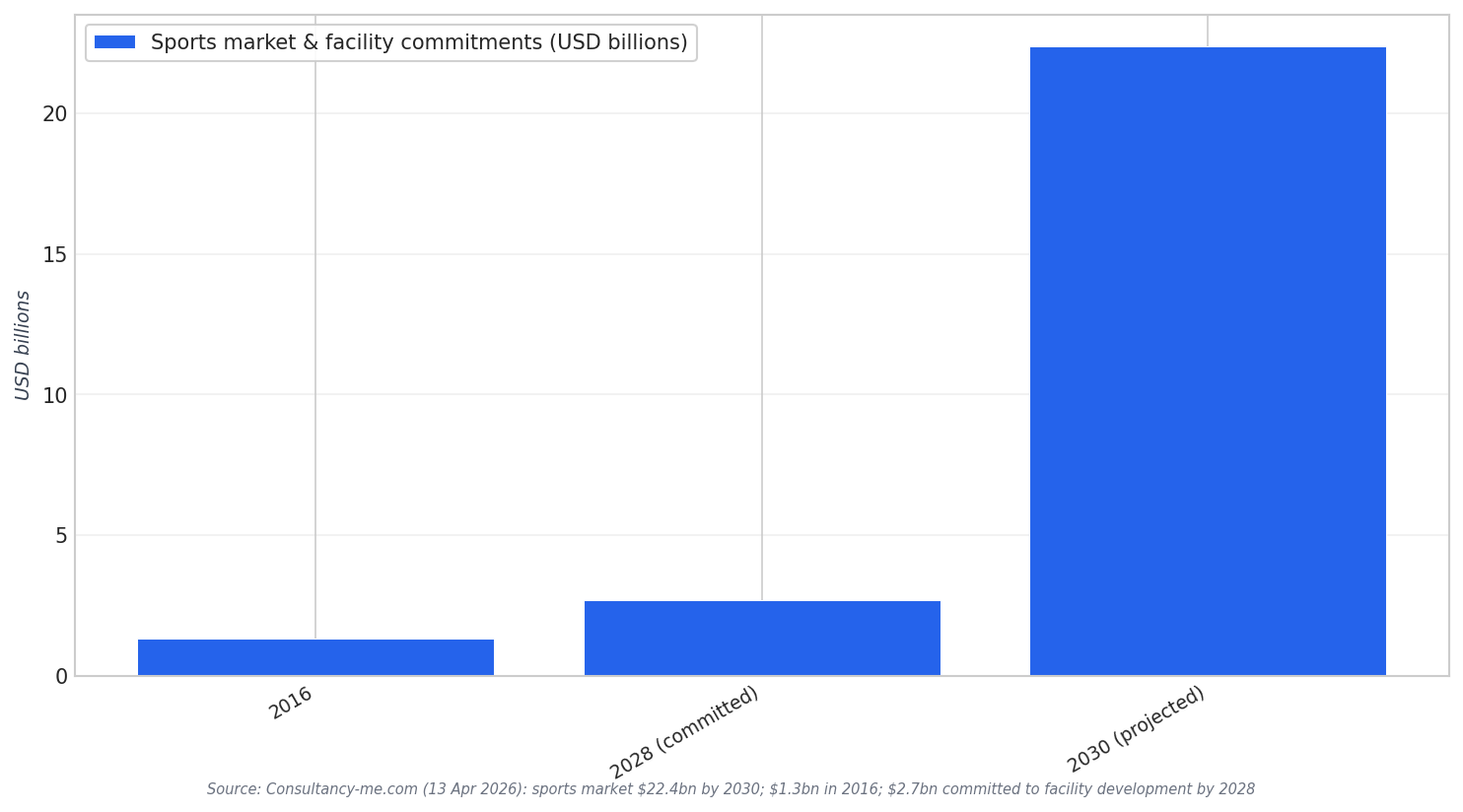
Venue and event planning should also follow the scale Saudi Arabia is building toward. Consultancy-me.com reports a projected sports market of $22.4 billion by 2030, up from $1.3 billion in 2016, with $2.7 billion committed to facility development by 2028. It also says construction on 15 new smart stadiums is underway. These figures point to a pipeline where hospitality inventory and guest expectations will grow fast. For planners, this means designing flexible VIP formats now, so they can transfer across stadiums, arenas, and multi-event calendars.
How to Design VIP and Corporate Hospitality That Works
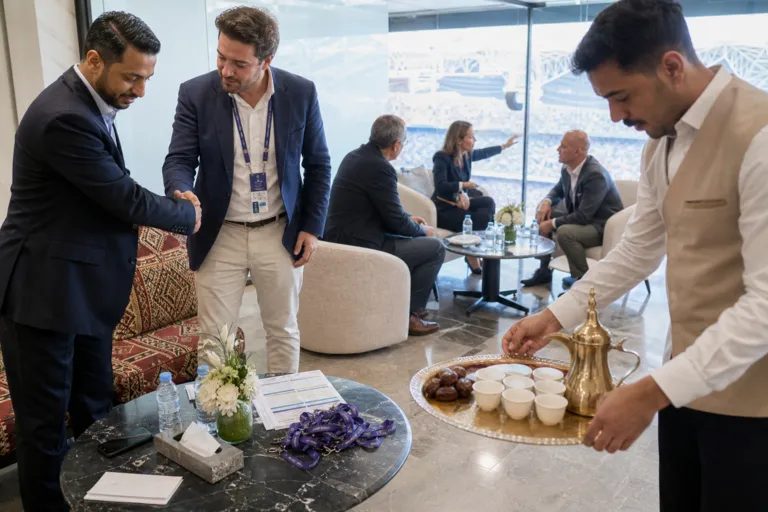
Experience creation is the practical design brief. HospitalityNet notes a shift from asset development to experience creation, with modern guests seeking a sense of place, meaningful service, cultural connection, wellness, convenience, and authenticity. It adds that the most successful investments respect local identity while meeting international standards, and warns against generic concepts. For sports hospitality, that translates into Saudi-rooted programming in suites and lounges, service culture that matches guest privacy expectations, and food and beverage choices that feel connected to the destination story.
Saudi’s advantage is also operational. Skift argues the Kingdom should become the world’s most event-friendly country and says Saudi Arabia has long mastered surge logistics, crowd flow, and hospitality under extreme conditions, honed over centuries of managing Hajj and Umrah. For VIP hosts, this is not abstract. It supports designing frictionless arrivals, clear guest routing, and reliable staffing models for high-density event nights. It also supports multi-venue itineraries when premium guests want matches, dining, and meetings in one seamless schedule.
Finally, build hospitality programs that can flex across sports and entertainment weeks. Sports Illustrated describes Riyadh Season planning that can pair venues like Kingdom Arena and ANB Arena across consecutive nights. The Athletic reports the GEA created the Six Kings Slam, with each player receiving at least $1.5 million per match and the winner taking home $6 million. The New York Times also reports Fanatics will produce a flag football event in Riyadh on March 21 featuring former stars including Tom Brady and Rob Gronkowski. For corporate buyers, this variety enables themed client hosting, executive access, and employee reward calendars without relying on one sport alone.
What does “sports hospitality Saudi Arabia” mean for VIP guests today?
Which numbers show how fast Saudi sports events and venues are scaling?
How can corporate hospitality link to talent and employee engagement?
What experience elements should premium hosts prioritize in Saudi events?
What examples show Saudi’s multi-event, premium programming potential?