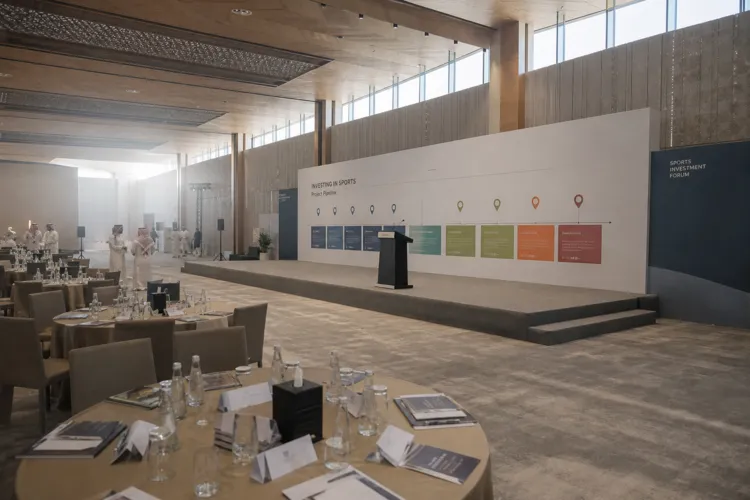
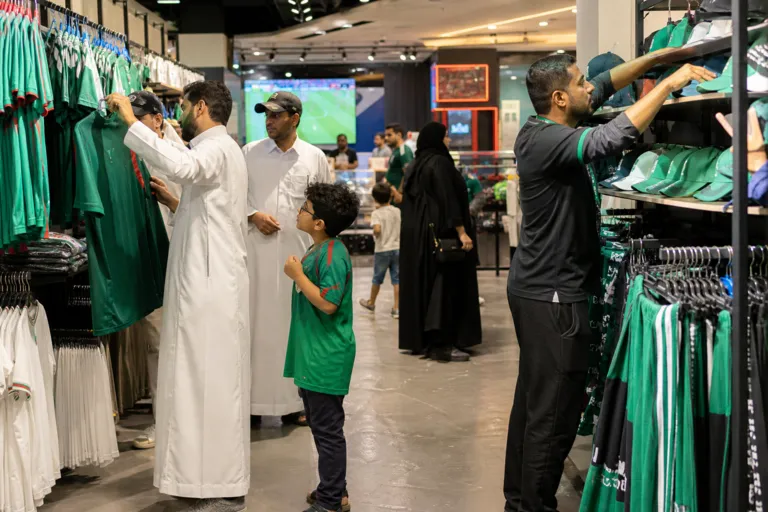
Sports merchandise licensing Saudi Arabia is becoming a practical growth topic because the Kingdom is stacking high-visibility sports moments. Saudi Arabia is described as entering a “golden sports decade,” with major events ahead such as the FIFA World Cup 2034 and the Asian Games, alongside a packed calendar of Formula 1, golf, tennis, boxing, and esports. This volume of events matters for fan goods. Each event creates time-bound demand spikes for jerseys, scarves, collectibles, and player-led drops. It also pushes organisers to professionalise rights, retail operations, and approvals.
Merchandise opportunity is also tied to retail ambition and local shopper expectations. The fashion and beauty sector in the Kingdom employs 340,000 people, contributes 2.6 percent of GDP, and is projected to reach $40 billion by 2029. In that environment, sports products sit inside a broader consumer push toward shopping for more occasions. Saudi Fashion Commission CEO Burak Çakmak pointed to National Day, Founding Day, Saudi Cup, Riyadh Season, and Formula 1 as commercially significant moments that each require a distinct strategy. Licensed sports capsules can map to the same rhythm.
How Rights, Events, and Retail Execution Connect
Licensing works best when rights are clear and activation is consistent. In Saudi football, SMC Group is the exclusive commercial partner of the Saudi Arabian Football Federation. It manages and operates the full spectrum of rights and sponsorships for the Kingdom’s top football tournaments, including the King’s Cup and Saudi Super Cup. The Saudi Super Cup has also been taken abroad through agreements to host the 2024 edition in Abu Dhabi and Abha, and through a strategic partnership to host the 2025 edition in Hong Kong. For merchandise, those moves can expand audiences and multiply retail touchpoints.
International leagues and global retailers are also testing Saudi demand. Fanatics, which runs the league’s online merchandise shop for the N.F.L., will produce a flag football event in Riyadh on March 21 featuring former stars like Tom Brady and Rob Gronkowski, plus current players. The Saudi sovereign wealth fund invested in Fanatics in 2017. Fanatics sells sports memorabilia, and customers from the Middle East have been among its biggest buyers in recent years. For license holders, that is a signal to build local fulfilment plans and event-linked assortments.
Fan-base building is a direct driver of licensing value. The Saudi Pro League’s chief commercial officer said the league reached a record 180 countries worldwide last season, up from 150 the year before. He also said international sponsorship deals surged by 200%. On social media, following grew from 11 million to 15 million last season, with a 60% jump in engagement. These metrics can help licensees forecast what to scale first. Digital demand can be matched with authenticated products, player-focused lines, and limited drops linked to peak attention windows.
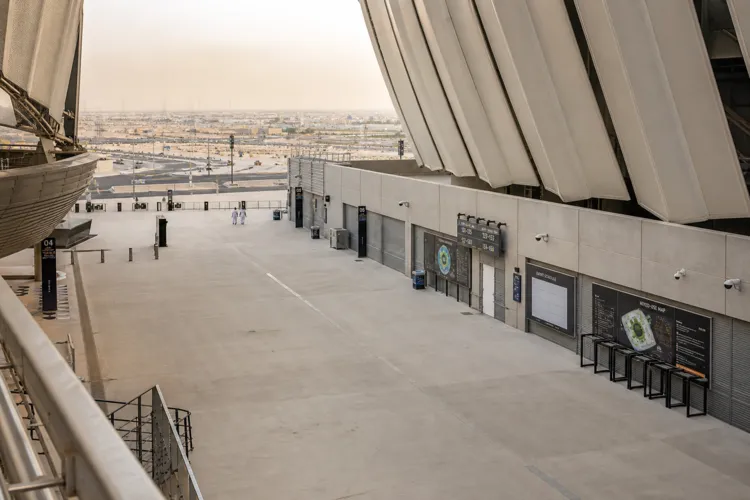
Infrastructure and event delivery can further widen the fan-goods funnel, but execution will decide outcomes. Saudi Arabia has $2.7 billion committed to facility development by 2028, with construction on 15 new smart stadiums underway. More venues can mean more in-stadium stores, pop-ups, and local partner distribution. Elsewhere, Fanatics’ FIFA World Cup 2026 plan shows what “on-site retail licensee” execution can look like at scale, with in-stadium retail operations at 16 venues and retail experiences at official Fan Festival locations. Saudi stakeholders can use the same playbook without assuming identical scale.
What does “sports merchandise licensing Saudi Arabia” involve in practice?
Which Saudi football rights setup can support merchandise programs?
What signals rising demand for licensed fan goods tied to Saudi football?
How does Fanatics connect to Saudi’s merchandise opportunity?
Why do “commercial moments” matter for licensed sports products in the Kingdom?