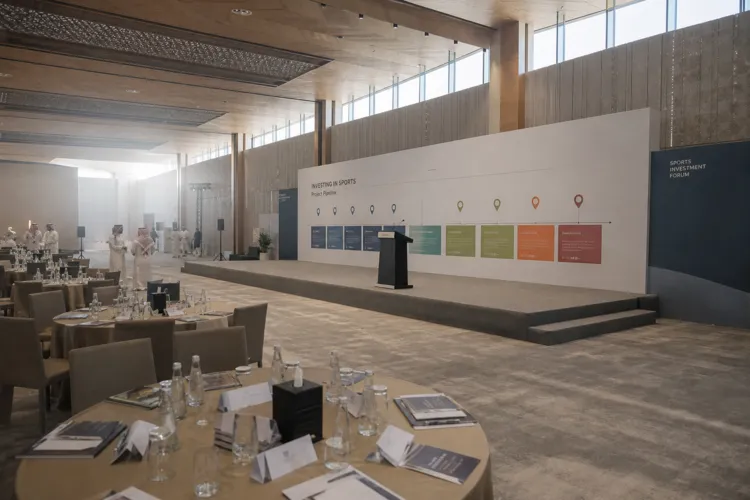
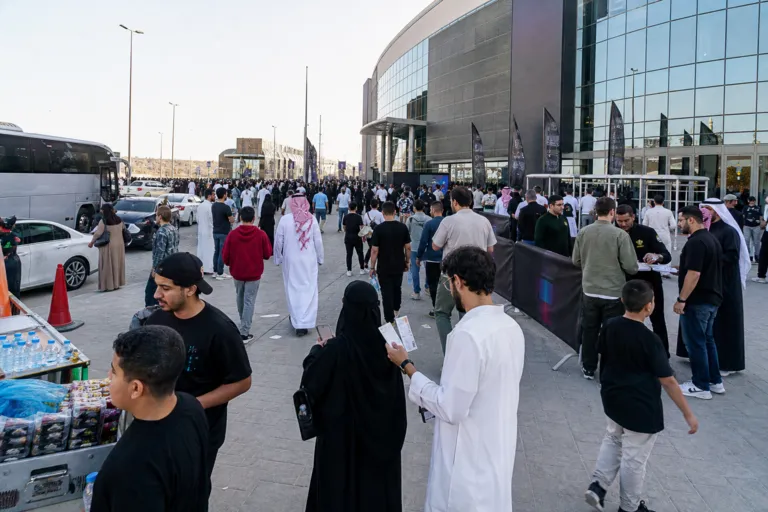
The fight-night economy around boxing Riyadh Saudi Arabia is not just about selling a card. It is about stacking reasons to travel. Riyadh Season has staged major boxing events in Saudi Arabia, and it is run and funded by the General Entertainment Authority (GEA), alongside sponsors, and Sela, the entertainment company owned by PIF. That structure matters for tourism because it turns one night of boxing into an anchor event that can be bundled with other ticketed experiences, hotels, and citywide programming.
The tourism tailwinds are visible in regional numbers, even when they are not boxing-specific. Skift reported the Middle East sports economy is valued around $600 billion and is growing at 8.7% annually, while Saudi Arabia has hosted more than 100 major sports events since 2019. PwC, Expedia Group, and Expert Market Research data cited by Skift also points to sports tourism expanding faster than nearly any other segment of the travel economy. For boxing cards, this creates a supportive base: travelers already primed to book around experiences, not just destinations.
How Riyadh Season Turns Cards Into Weekends
Riyadh’s model leans into scheduling synergy. Sports Illustrated pointed to an example earlier in the year when the Esports World Cup took place in August and a major Riyadh Season card ran alongside it, featuring Moses Itauma. The same piece argued it would be smart to lure American football fans to stay and watch boxing, with the practical note that football could be in one venue one night and boxing in another the next. This is the core sports tourism play: increase length of stay by adding a second reason to be in the city.
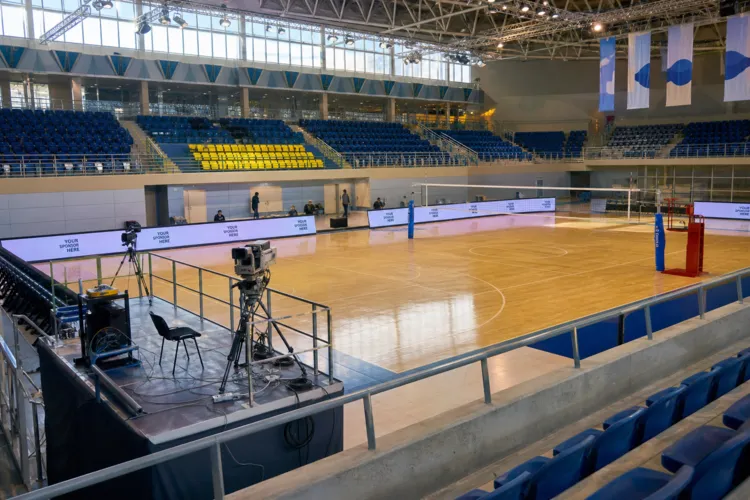
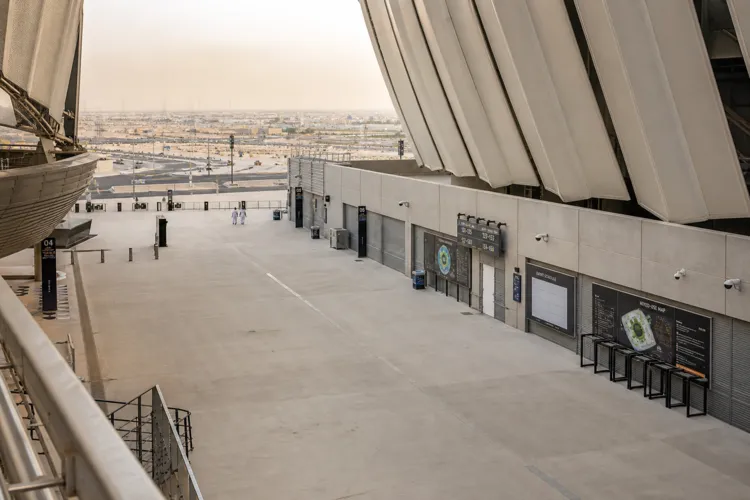
Venues and infrastructure shape sponsorship visibility, too. Sports Illustrated highlighted a massive indoor venue that hosted Tyson Fury vs. Oleksandr Usyk on May 18, 2024, for the WBA, WBC, IBF, WBO, IBO, and The Ring undisputed heavyweight championship, described as the first undisputed heavyweight title fight in 24 years. It also noted most subsequent boxing matches have been held next door in the ANB Arena in Riyadh. Two nearby venues make it easier to program consecutive nights, concentrate audiences, and provide sponsors multiple touchpoints across a single travel window.
Sponsorship returns are also built through promoter partnerships. The Athletic reported that Riyadh Season acts as sponsorship for major boxing promoters, including Queensberry, Matchroom, Top Rank and Golden Boy. This expands brand presence beyond a single bout because promoters bring recurring audiences, distribution relationships, and future event pipelines. Big Fight Weekend added that promoters are increasingly willing to let prominent matchups take place in the country, but also noted a trade-off: Riyadh is thousands of kilometres away from the US and the UK, and a PPV can add another barrier for fans who do not travel.
Tourism readiness depends on year-round systems, not one-off spectacles. Hospitality Net reported that cities such as Riyadh are expanding beyond business travel into entertainment, culture, and domestic leisure, with travel patterns shifting toward more frequent trips and shorter stays. Skift’s view is that Saudi Arabia should become the world’s most event-friendly country, emphasizing events as a “highest-velocity tourism product.” Nearby development plays a role too: Qiddiya City is rising from the ground up just 40 minutes from Riyadh, anchored by major projects including the Prince Mohammed bin Salman Stadium, Speed Park, and an Esports and Gaming District.
What is the core driver behind the boxing Riyadh Saudi Arabia fight-night economy?
How does Riyadh increase sports tourism impact from a boxing card?
What sponsorship structure supports boxing events in Riyadh Season?
What regional sports-economy context supports the growth of sports travel tied to boxing?
What is one challenge for non-traveling fans when big cards are held in Riyadh?