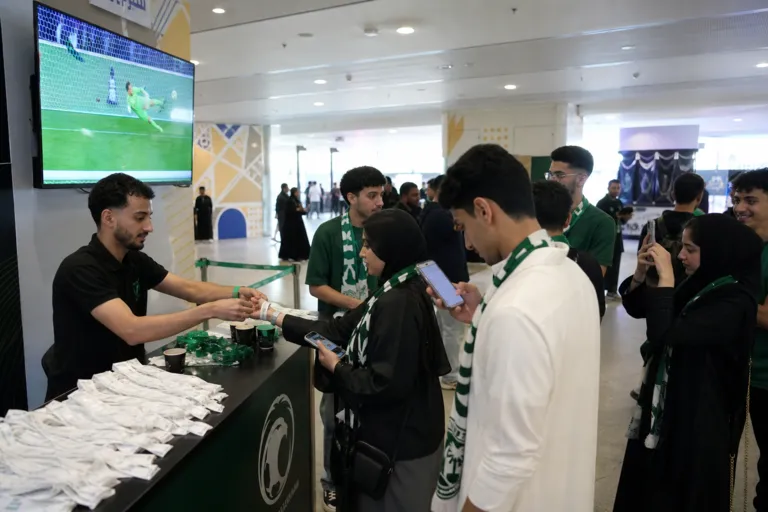
To win with a young, digital-first audience, sports marketing Saudi Arabia has to act like culture, not inventory. Sources describe a market in purposeful transition where the consumer is younger, more digitally fluent and more proudly local. That changes planning. A one-size campaign, or a single seasonal drop, is not enough. The Saudi calendar of moments is expanding, and it includes Riyadh Season and the Saudi Cup among others. Each moment needs its own creative, partners and channel plan. Speed matters too, because the market is described as changing by the moment and demanding brands adapt quickly.
Start with trust and legitimacy, because audiences disengage when they do not see a brand as legitimate and trustworthy. That warning appears in the context of Saudi Arabia’s push in sport and business communities, and it applies to brands entering the sports space as well. Build credibility by showing deep cultural understanding, not an “expat mindset.” Localization is repeatedly framed as central. In e-commerce, Trendyol Gulf describes serving 3 million to 4 million Saudi customers, with 200,000 daily orders and roughly 10,000 onboarded merchants. It also reports that 60% of sales come from local retailers, up from zero at launch. Those signals reinforce that local partnerships and local commerce layers can be a core sports marketing lever.
Streaming, Storytelling, and Participation Come First
Go where younger audiences spend time. One source argues streaming platforms are becoming the center of gravity in sports marketing. Live sport is still the anchor, but the surrounding ecosystem now includes docuseries, behind-the-scenes stories and athlete-driven originals that keep fans engaged year-round. That creates options beyond buying spots around games. Brands can underwrite content, partner on original programming, and explore platform-native sponsorships that feel integrated. Another source is blunt that participation is the new currency for fan attention. That mindset fits a digital-first audience that expects to do something, not just watch and scroll.
Design for fandoms, not generic reach. One youth-focused data point in the sources shows 61% of kids engage with their passions daily, with sports alongside gaming and music as identity drivers. The same source says fandoms amplify behavior, noting 73% of kids feel more connected when they share interests with others. Treat “being a fan” as multi-format behavior: following a player, joining a tie-in, and using merchandise as a belonging signal. That also aligns with guidance that smaller brands can win through authenticity, community and smart partnerships, using micro-influencers such as coaches, referees or passionate fans, and building fan challenges and user-generated campaigns across a season.
Build cross-event synergy to keep attention inside your ecosystem. A Sports Illustrated example argues it would be smart to pair audiences across events in Riyadh Season, such as luring American football fans to stay for boxing. It points to August’s Esports World Cup timing, when a major Riyadh Season card also took place alongside it. That kind of scheduling logic can shape brand media plans too. Use one event to recruit, then use content, creators and community mechanics to retain. In Saudi Arabia, esports is also explicitly in the mix: the country has hosted major tournaments including the Esports World Cup, and it will host 2027’s planned Olympic Esports Games. Treat sport, gaming and entertainment as one connected fan journey.
Finally, make partnerships feel useful, not decorative. One example of major institutional scale is Saudi Awwal Bank, formed in 2019 through the merger of SABB and Alawwal Bank. It is described as one of the Kingdom’s largest banks, with more than 5,000 employees, over 80 branches, and total assets exceeding SAR 454 billion, and it has strategic ties with HSBC, which holds a 31% stake. Large partners can bring credibility and distribution, but the modern pitfall remains: mistaking access for authenticity. Plan for community value, transparent intent, and consistent presence, so a sports moment becomes a long-term relationship.
What does “sports marketing Saudi Arabia” need to prioritize with young audiences?
Why are streaming platforms important for sports marketing strategy?
How can brands turn one event into a longer fan journey in Riyadh Season?
What do the sources say about localization in Saudi consumer engagement?