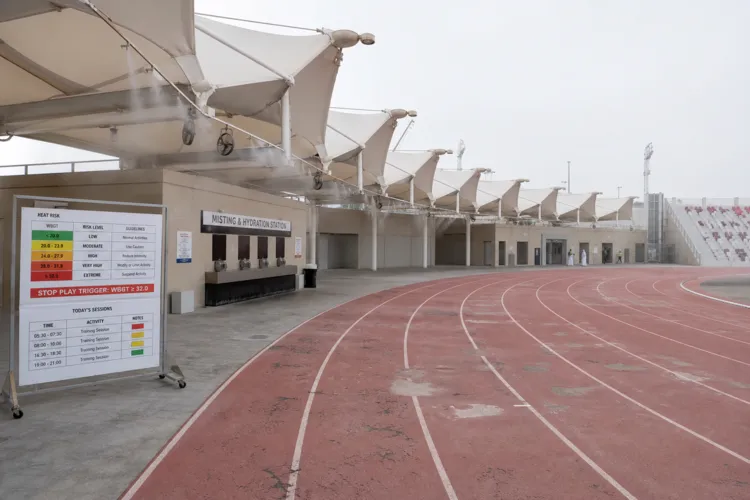
A sports facility feasibility study in Saudi Arabia starts with context. The Kingdom is building and upgrading sports assets as part of Vision 2030 and major event hosting. Projects such as the National Athletics Stadium in Qiddiya Sports Park are positioned for major international competitions and community use, and they complement themed entertainment, performance arenas, and hospitality precincts. At the same time, decision-making is becoming more financially driven. Several reports describe stricter reviews, delays, and overhauls across big developments. Your feasibility process must therefore test demand, legacy outcomes, procurement, and operational readiness in a way that can stand up to scrutiny.
Define the venue’s role and legacy from day one. One industry lesson cited from London 2012 is that the Olympic Delivery Authority locked community legacy into the design of every venue from the very beginning. The same source notes that after London 2012, 106 community facilities were upgraded across the city, and 400,000 Londoners participated in grassroots sport through the Mayor of London Sport Legacy programme. For Saudi Arabia, feasibility should translate “legacy” into practical, measurable operating assumptions: who uses the venue beyond headline events, how programming supports grassroots pathways, and what partnerships keep the calendar active before and after major competitions.
Build the Study Around Demand & Supply Modelling
Demand and supply modelling should be the core of your feasibility work. A cited benchmark makes the point that the difference between a 20% utilised venue and an 80% utilised one is not design, it is demand and supply modelling. That means mapping realistic user segments, booking patterns, and federation pathways, not relying on optimism. It also means testing whether aligned pathways exist so that “perfectly located infrastructure” converts into performance and participation. In Saudi Arabia, this matters because the country is preparing for events including the 2034 Asian Games and the FIFA World Cup 2034, and is described as entering a “golden sports decade” with a packed calendar that includes Formula 1, golf, tennis, boxing, and esports.
Model funding, approvals, and risk with today’s investment reality. Sources describe sweeping reviews and a more pragmatic stance on spending, including consideration of overhauls at major projects and delays linked to costs and logistics. Another report says authorities have been stricter reviewing feasibility and financing, and that “each project is now assessed by detailed financial metrics, and anything below a certain internal rate of return will be shelved,” while also cautioning that data is still limited. Your feasibility study should therefore include scenario testing that reflects tighter funding and the need to defend the project’s long-term asset yield, community activation, and contribution to urban destinations.
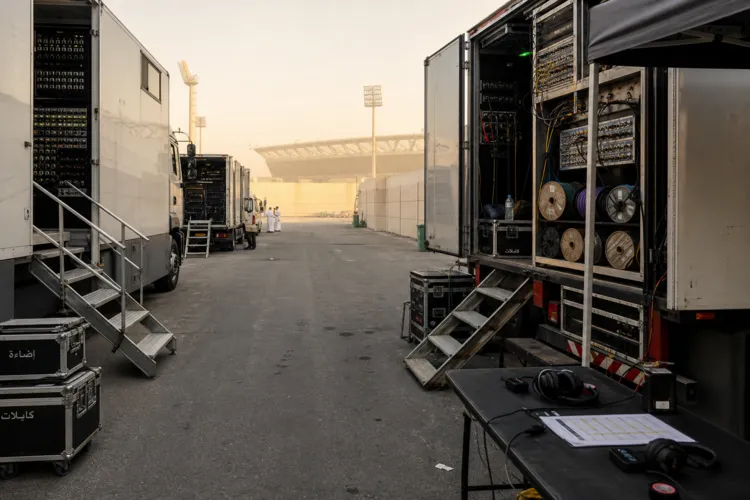
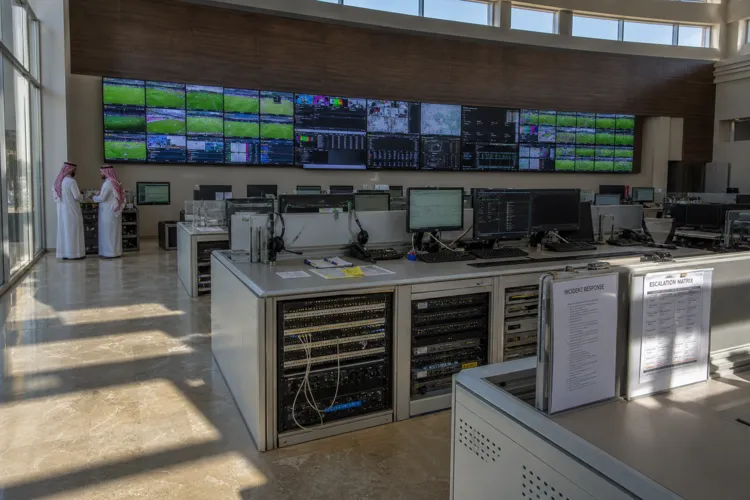
Translate feasibility into delivery and operations planning. The Qiddiya National Athletics Stadium example shows how major venues are supported by international design and engineering teams, with cost consultants providing independent verification of budget and procurement frameworks. Feasibility should specify governance, procurement logic, and the operational model early, including how the venue integrates with surrounding hospitality and events demand. Hospitality-focused sources add that investors are becoming more performance driven and will focus on feasibility, positioning, operational excellence, and long-term value creation rather than development scale alone. They also note that reforms have brought clearer governance, faster licensing processes, and improved coordination among authorities, which should be reflected in your permitting and timeline assumptions.
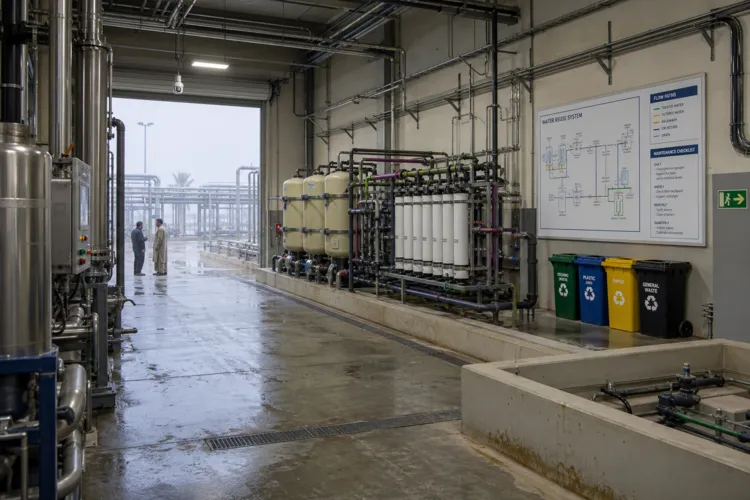
Finally, include sustainability and human capital as feasibility pillars because they affect operating performance and reputation. One hospitality investment outlook states that future projects must consider energy efficiency, water management, responsible sourcing, waste reduction, and long-term environmental impact from the earliest planning stages, and that sustainability is becoming a financial, operational, and reputational requirement. The same source emphasizes that human capital is a critical success factor and that continued investment in training, leadership development, and career pathways will be essential. For a sports facility, feasibility should link these items to realistic operating readiness, service culture, and the ability to host events consistently, not just open the doors.
What is a sports facility feasibility study in Saudi Arabia?
Why is demand modelling central to feasibility?
How should legacy be handled in the feasibility process?
How do tighter funding conditions change feasibility work?
What non-financial factors should be included in feasibility?