Saudi sports development is moving from headline announcements to delivery decisions that must survive tighter capital discipline. AGBI reported that a revised PIF strategy for 2026–2030 renews emphasis on closer coordination across government and “incentives and partnership models to encourage investors,” with Expo 2030 and the 2034 World Cup at the top of the priority list. BBC Sport also noted PIF’s new emphasis on “sustained value creation…and maximizing long-term returns.” In this setting, sports infrastructure PPP Saudi Arabia conversations increasingly focus on how to allocate risk, lock in procurement frameworks, and make venues work beyond event deadlines.
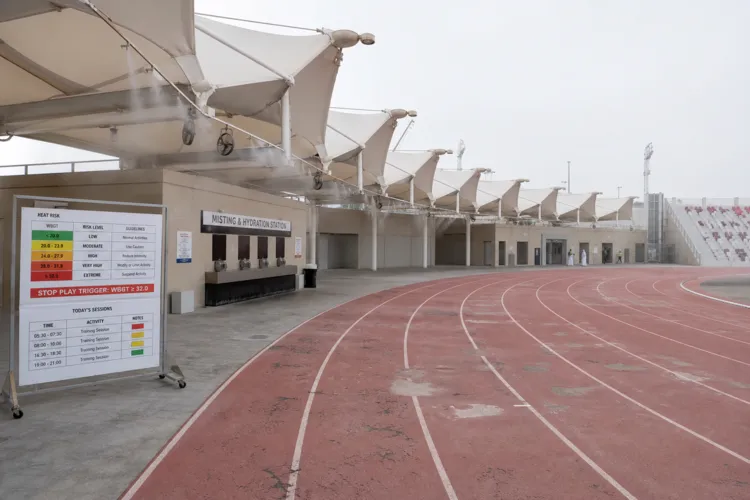
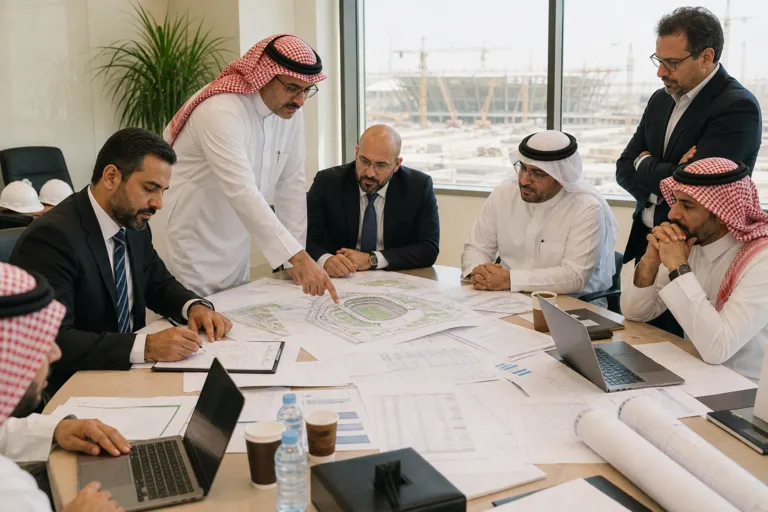
Projects already in market show how disciplined delivery can be structured even before a formal PPP contract is announced. Construction Review Online describes the National Athletics Stadium in Qiddiya Sports Park as a multipurpose athletics stadium with an estimated cost of $1.8 billion and an area of 182,000 square metres. The stadium is in tender release phase with an expected construction start in 2026 and target completion in 2030. The owner and sponsor is Qiddiya Investment Company (QIC). The article also notes UK‑headquartered WT Partnership as cost consultant providing independent verification of budget and procurement frameworks, which is a practical building block for investor confidence in any partnership structure.
PPP models in this market can be framed around three core deal shapes: design-and-build with private performance obligations, finance-linked delivery milestones, and operations-led agreements that reward long-term utilization. The Qiddiya stadium example also highlights an international delivery ecosystem, with HOK leading design consultancy and engineering support from WSP and Schlaich Bergermann Partner. While those roles are not financing in themselves, they support bankable technical due diligence and clearer risk allocation. That matters when funding conditions tighten and procurement pipelines prioritize projects with “Expo” or “World Cup” in scope, including associated transport, mobility, and energy infrastructure, as AGBI reported.
PPP Funding Models That Fit Saudi Stadium Priorities
One PPP pathway is availability-style contracting logic, where delivery and service levels drive payments, helping protect schedules for 2030 and 2034-linked calendars. Another is mixed funding with anchor public sponsors plus private participation for specific packages, such as hospitality precincts and event-day commercial operations, which Construction Review Online notes are part of broader Qiddiya megaproject complements. A third is portfolio PPP thinking, bundling multiple venues or upgrades under common governance so procurement, cost control, and performance reporting are consistent. This approach fits AGBI’s point about closer coordination across government and partnership models that encourage investors.
Legacy requirements also influence which PPP model is credible. Consultancy-me points to London 2012 outcomes as a reference point for planning legacy from the beginning, citing 106 community facilities upgraded, 400,000 Londoners participating through the Mayor of London Sport Legacy programme, and Queen Elizabeth Olympic Park attracting more than 6 million visitors a year. The same source says Saudi Arabia has $2.7 billion committed to facility development by 2028, that construction on 15 new smart stadiums is underway, and that the sports market is projected to reach $22.4 billion by 2030, up from $1.3 billion in 2016. For PPPs, the implication is clear: contracts should tie private returns to measurable post-event usage, not just ribbon-cut delivery.
Finally, PPP structures must account for shifting capital allocation across sport. The Athletic reported Saudi investment in tennis amounts to more than $1 billion, while Business Insider cited $5 billion spent on LIV Golf and reported PIF considering pulling funding for the money-losing endeavor. BBC Sport quoted PIF saying the “substantial investment required” for LIV “is no longer consistent with the current phase” of its strategy, referencing “current macro dynamics.” For stadium PPPs, that reinforces a practical rule: funding models need transparent budgets, independently verified procurement, and credible long-term revenue or availability mechanisms so projects remain investable as priorities evolve.
What does “sports infrastructure PPP Saudi Arabia” mean in practice?
Which Saudi stadium project shows procurement discipline signals relevant to PPPs?
What legacy metrics are cited as a benchmark for long-term venue value?
What is the cited scale of Saudi facility development commitments and pipeline?
Why do long-term returns matter more now for funding models?