Saudi Arabia is entering what has been described as a “golden sports decade,” with major events ahead including the FIFA World Cup 2034 and the Asian Games, plus Formula 1, golf, tennis, boxing, and esports on the calendar. The market is projected to grow to $22.4 billion by 2030, up from $1.3 billion in 2016. That pace creates opportunity, but it also raises expectations. The Public Investment Fund has confirmed a new emphasis on “sustained value creation…and maximizing long-term returns,” and that language reinforces why sports sponsorship ROI measurement cannot stay vague.
Measurement pressure is not only local. A PTTOW! Sports Summit release said 76% of marketing executives cannot measure return on investment from sports sponsorships, even as it described the global sports market reaching $600 billion. It also said 63% of global consumers follow sports regularly, yet most cannot recall sponsors from recent events. For Saudi-based sponsorship teams, this frames a practical problem: if fans cannot name the brand, and if finance leaders require proof, then sponsorship value needs to be quantified in multiple ways, not argued as a feeling.
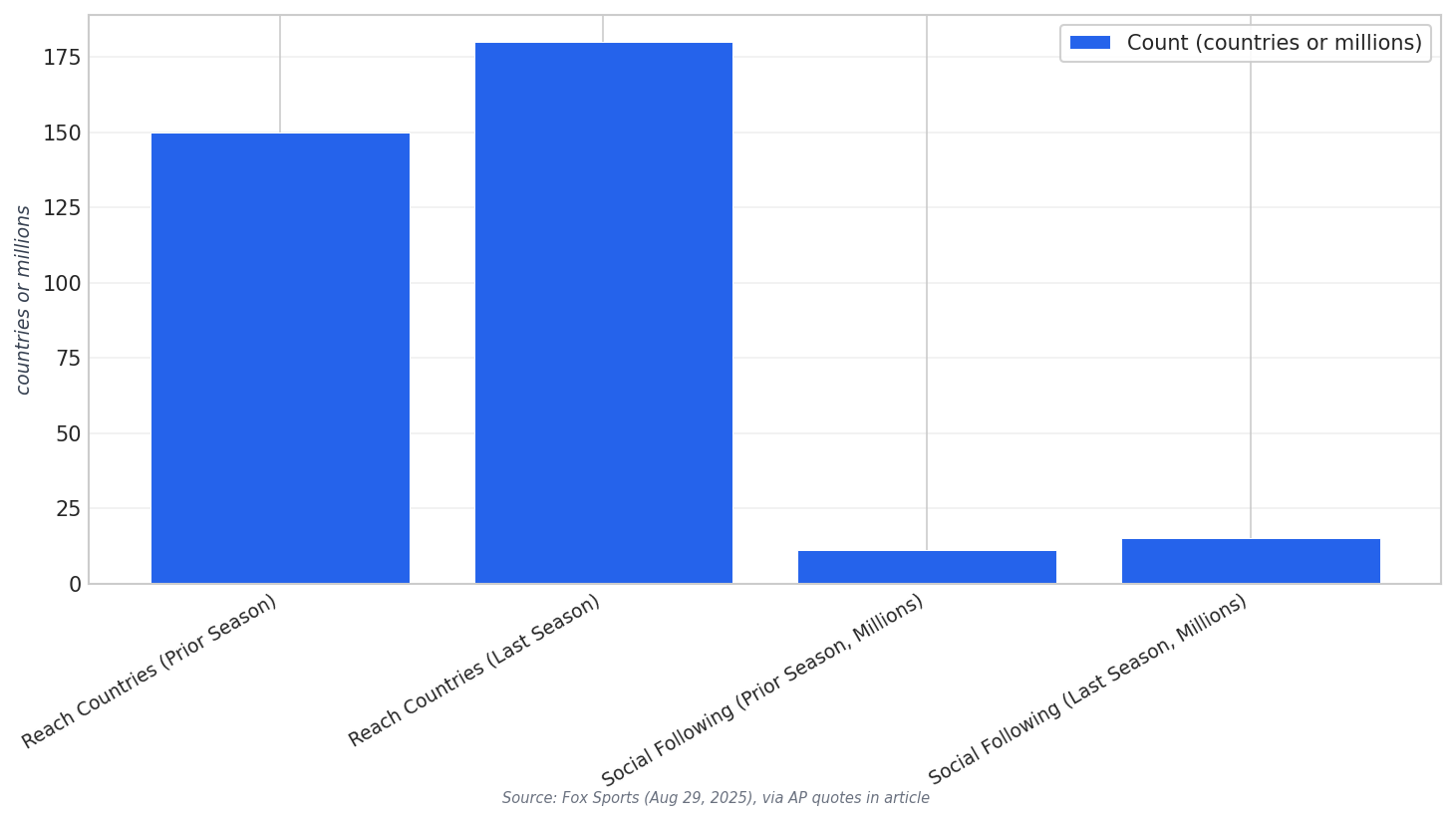
Start with measurable audience outcomes that map directly to activations. Saudi Pro League distribution and digital signals show what can be tracked when rights holders publish consistent metrics. Fox Sports reported the league reached 180 countries worldwide, up from 150 the year before. It also reported international sponsorship deals surged by 200%. Social media following grew from 11 million to 15 million last season, with a 60% jump in engagement. These figures do not prove every partner’s commercial return by themselves, but they create a baseline for exposure and interaction that can be tied to specific campaign goals.
What to Measure Beyond Media: Recall, Deals, and Long-Term Return
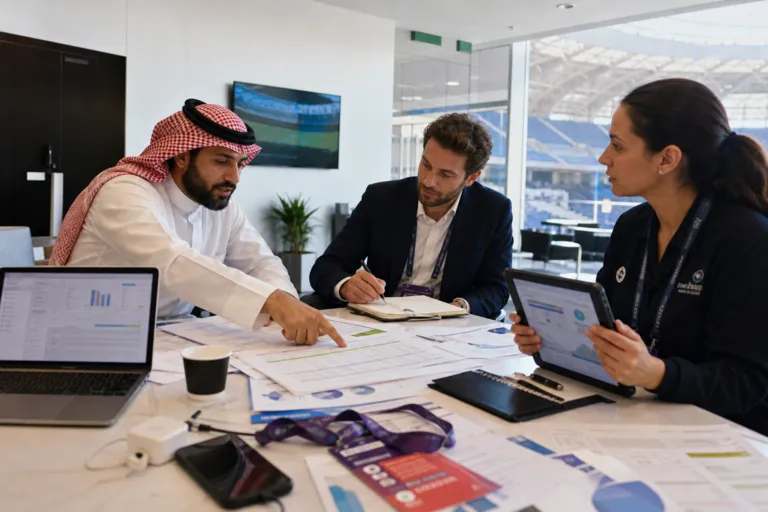
Because recall can be weak, measurement must include more than impressions. The PTTOW! release explicitly noted that most consumers cannot recall sponsors from recent events, despite 63% following sports regularly. That makes post-event surveys, brand lift checks, and memory cues important, especially when campaigns run across multiple properties. At the same time, MediaPost argued that some of the most measurable ROI is “the oldest kind”: using sponsorship to offer tickets and VIP experiences to key vendors, customers, and partners. It quoted Greene: “That handshake — where pictures get taken, and deals get done — is becoming more important, not less.”
In Saudi Arabia, tie those short-term signals to the country’s long build. Consultancy-me.com reported $2.7 billion committed to facility development by 2028 and construction underway on 15 new smart stadiums. It also reported participation rising from 13% of the population exercising regularly in 2015 to 50% today, with female participation up 400% in the same period. These are not sponsorship KPIs by default, but they shape what “legacy” outcomes can look like when brands invest alongside facilities, programs, and community access.
Finally, align measurement with a tighter investment mindset. BBC Sport reported a major budget deficit of $73bn last year, and described cancellations and changes, including the Saudi Arabia Snooker Masters being cancelled two years into a 10-year deal and a women’s tennis hosting deal not being extended after three years. In this environment, sports sponsorship ROI stories need a clear value chain. Use published reach and engagement numbers, quantify recall improvements, and document hospitality-led commercial outcomes. Then connect the sponsorship to sustained value creation and long-term returns, the language Saudi decision-makers are now using.
What does “sports sponsorship ROI” mean in this Saudi context?
Why is measuring sponsorship ROI under pressure right now?
Which trackable metrics can sponsors use from Saudi football signals?
What if fans follow sports but do not remember sponsors?
How can hospitality be measured as ROI?