For investors, the SportsTech story in the Kingdom starts with demand. Participation rates rose from 13% of the population exercising regularly in 2015 to 50% today. Female participation grew 400% in the same period. Those shifts create a clearer commercial base for products tied to coaching, facility utilization, community programs, and fan experiences. They also set expectations. When more people play, more people need places to train, systems to book, and pathways to progress. The ecosystem question becomes which startups can connect participation growth to durable revenue.
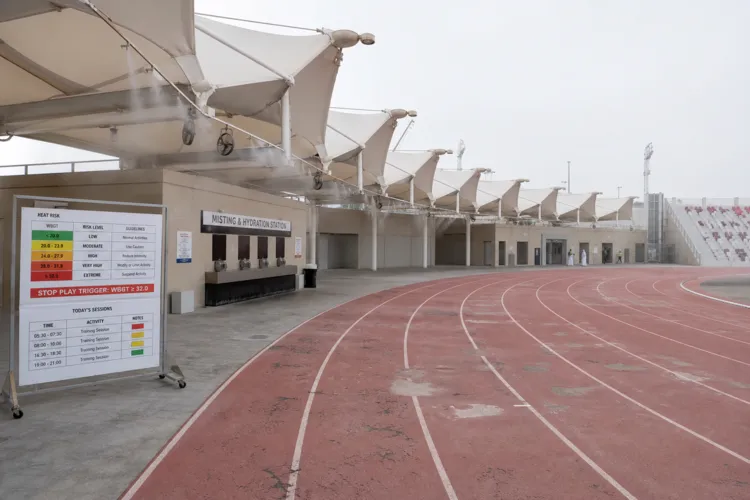
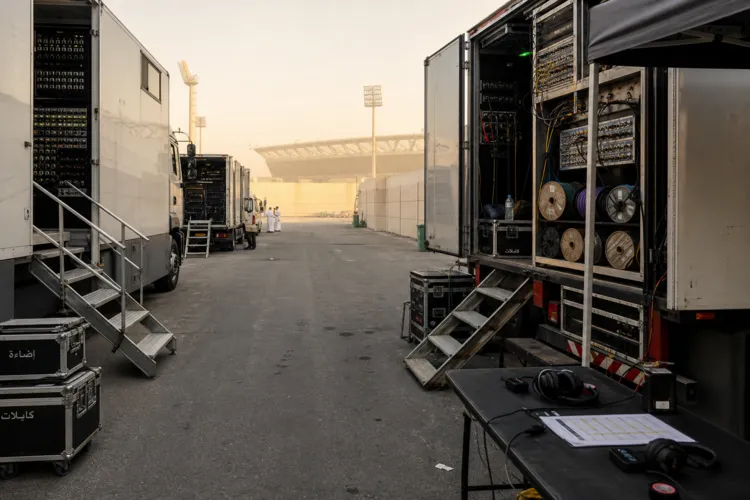
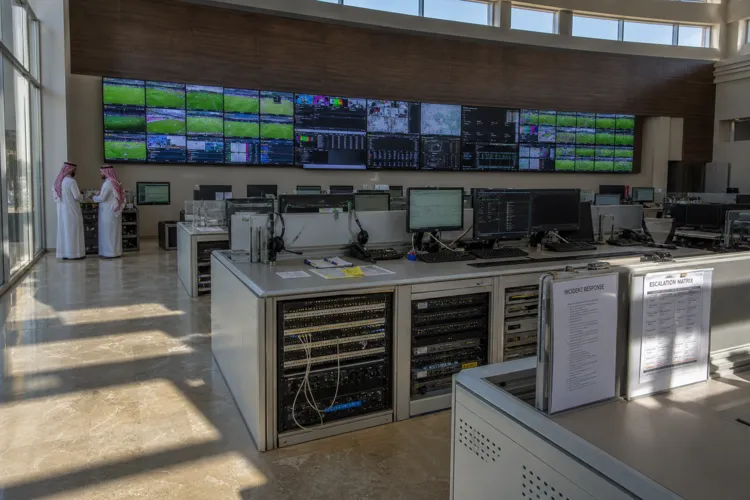
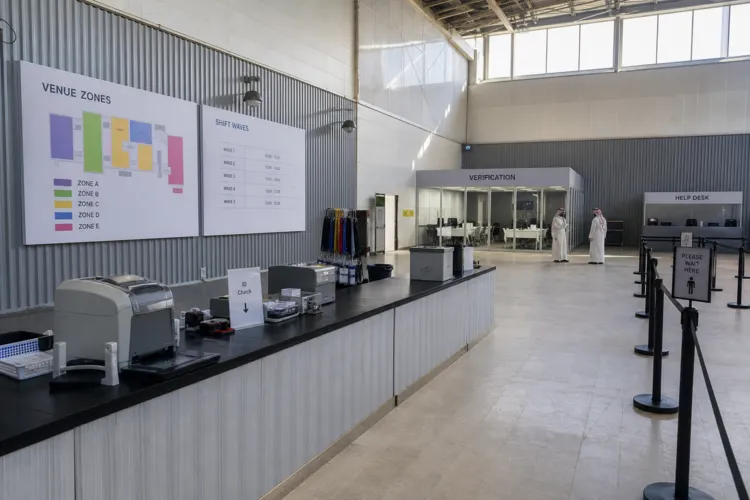
Infrastructure and major events shape the near-term buyer landscape. Saudi Arabia is undertaking a vast programme of sports infrastructure development to support events such as the FIFA World Cup 2034 and the Asian Games 2034. Construction on 15 new smart stadiums is underway, and $2.7 billion is committed to facility development by 2028. In motorsport, another track is being built in Qiddiya as part of Vision 2030, with a view to staging races there from 2028 or 2029. A 20-story-high corner is among the Qiddiya Speed Park Track features. These projects imply procurement cycles for venue tech, data, operations, and safety.
Investor Signals: Capital, Platforms, and a Shift Toward Returns
Capital formation has a strong state-linked layer, but investors are also watching for market maturity. Saudi initiatives like SVC and Monsha’at have played a critical role in expanding access to capital, fostering entrepreneurship, and developing the broader startup ecosystem. SVC’s fund-of-funds strategy is cited as a mechanism for increasing market liquidity, alongside new instruments such as venture debt and private equity. On the platform side, PIF created the Electric 360 partnership in 2024 with Formula E, Extreme E (now Extreme H), and E1. PIF’s combat-sports investment helped launch PFL MENA, headquartered in Riyadh, and a $100 million PIF investment followed three months after Francis Ngannou’s signing helped prove demand.
At the same time, the underwriting logic is tightening. Multiple reports describe PIF scaling back expensive global sports investments and prioritizing returns. LIV Golf has cost PIF over $5 billion since its launch in 2022, and the league has cited low attendance and poor television viewership. Another account says LIV Golf has years of $500 million annual losses and may lose Saudi funding. For founders, this changes buyer behavior. Procurement may favor products that lift utilization and measurable outcomes, not only brand-building. For investors, it can increase diligence around unit economics and contract durability.
Gaming and esports act as a parallel on-ramp for sports-adjacent technology. Saudi Arabia has hosted major tournaments, including the Esports World Cup, and it will host 2027’s planned Olympic Esports Games. A national strategy aims to incubate 250 companies, and Qiddiya’s Esports and Gaming District aims to attract 10 million visitors a year to its venues by 2030 and incubate 30 leading video game development companies. The same source says the strategy aims to contribute $13.3 billion to GDP. Investors mapping sports technology startups Saudi Arabia can treat esports as both a customer category and a distribution channel for interactive, data-driven sport products.
Finally, investors should frame opportunity against a very large global market context, without confusing it for local data. Oliver Wyman and the World Economic Forum research cited a global sports industry size of $2.3 trillion last year, with a projection to hit $3.7 trillion by 2030. Locally, one projection says Saudi Arabia’s sports market will grow to $22.4 billion by 2030, up from $1.3 billion in 2016. That growth sits alongside a calendar described as a “golden sports decade,” with major events across Formula 1, golf, tennis, boxing, and esports, plus the World Cup 2034 and Asian Games 2034. For investors, the map is clear: back startups that convert infrastructure and event intensity into repeatable, measurable value.
What does “sports technology startups Saudi Arabia” mean for investors in this ecosystem?
Which infrastructure signals matter most for SportsTech demand in Saudi Arabia?
How is the funding environment evolving for sports-related ventures?
Why does the LIV Golf story matter to SportsTech investors?
How does esports connect to the broader sports startup map?