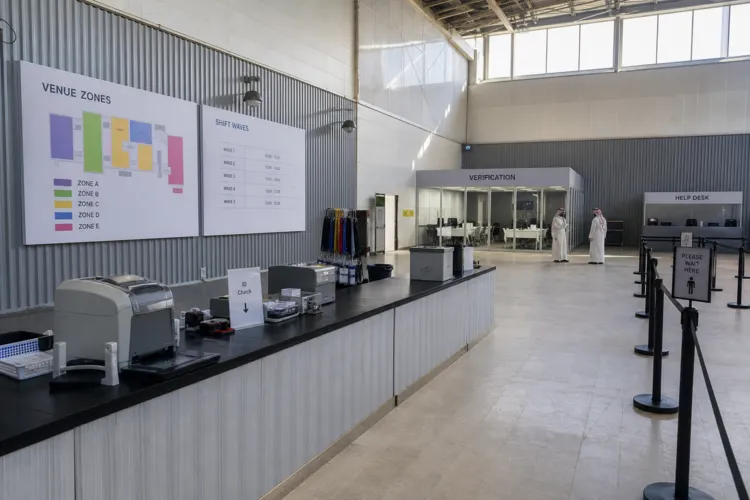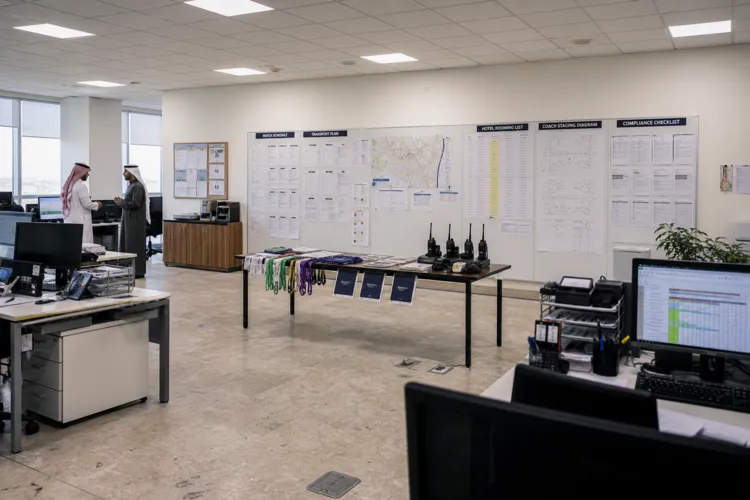
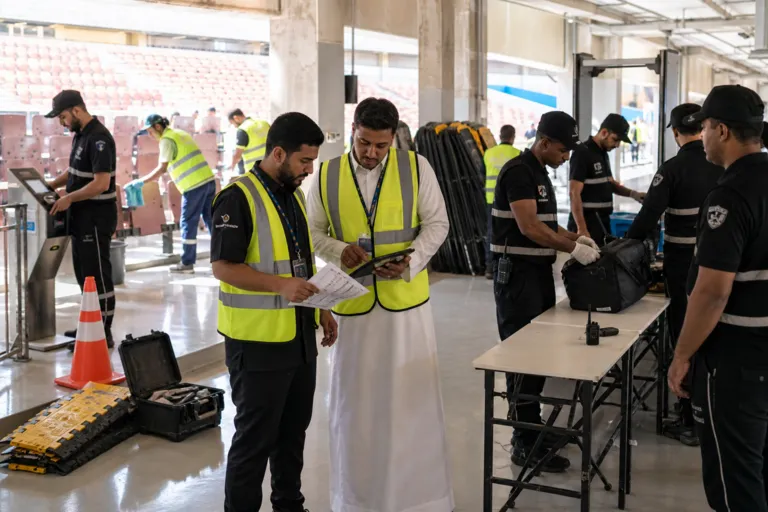
Venue Operations Management is becoming a defining capability for sports venue management Saudi Arabia as new assets move from construction into daily use. Saudi Arabia is preparing to host major events such as the FIFA World Cup 2034 and the Asian Games, alongside a calendar that includes Formula 1, golf, tennis, boxing, and esports. That pipeline changes what “good operations” means. It is no longer only about opening days. It is about year-round readiness, reliable crowd flow, and predictable service delivery across multiple event types. The operational bar also rises as venues are positioned as drivers of community activation and long-term asset yield, not only as cost centres.
On the supply side, the scale of work is explicit. Construction on 15 new smart stadiums is underway, and one proposal for NEOM includes a 46,000-capacity stadium planned as part of The Line, designed to be 350 metres above the ground, with work set to begin in 2027 and conclude in 2032. In Qiddiya Sports Park, the National Athletics Stadium is a central facility within a flagship Vision 2030 development cluster. Its design consultancy is led by UK-based HOK, with engineering support from WSP (Canada) and Schlaich Bergermann Partner (Germany), and WT Partnership as cost consultant. These details matter operationally because procurement frameworks, technical standards, and lifecycle decisions shape staffing models, maintenance planning, and match-day processes long after handover.
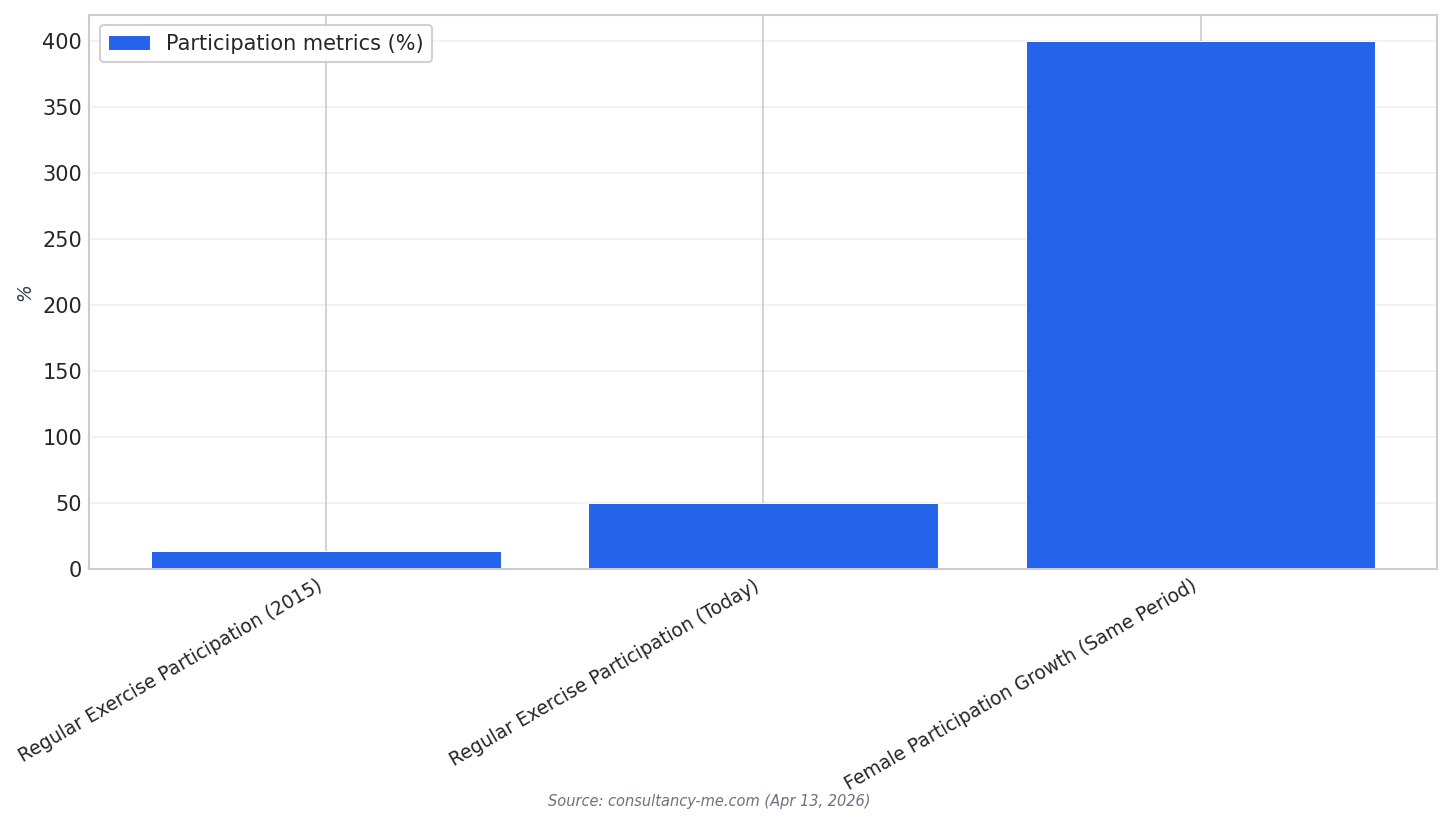
Demand planning is where operations teams either win or lose. One analysis highlights that the difference between a 20% utilised venue and an 80% utilised one is not design. It is demand and supply modelling. For venue operators, that points to calendar engineering, federation alignment, and programming that connects facilities to pathways, coaches, and community use. Participation signals also support a bigger operating mandate. Participation rates rose from 13% of the population exercising regularly in 2015 to 50% today. Female participation grew 400% in the same period. That creates broader peak-and-off-peak demand patterns that operations managers must serve safely and efficiently.
Operational Readiness: Crowd Flow, Safety, and Event Friendliness
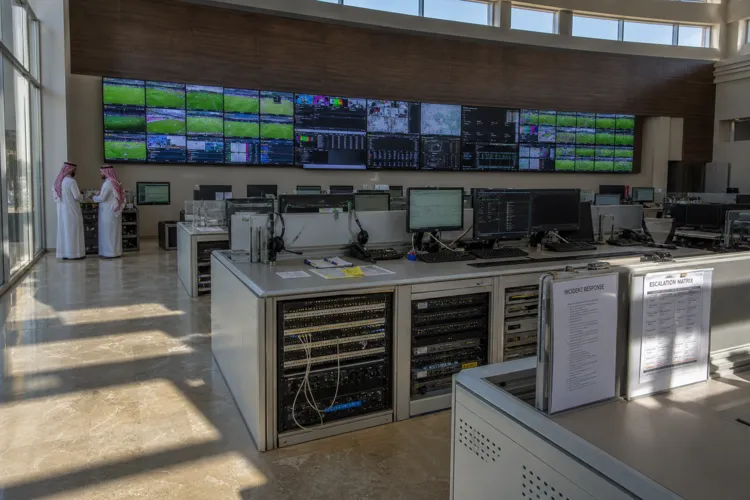
Saudi Arabia’s operational advantage is frequently linked to surge logistics and crowd flow capabilities honed through centuries of managing Hajj and Umrah, including coordinating millions of arrivals with precision. Translating that into stadium operations means designing processes that move people, vehicles, and staff with clarity under pressure. At the same time, challenges persist, including traffic congestion, venue capacity, and regulatory processes. For operators, that points to tighter integration between venue control rooms, transport planning, and permitting workflows, especially as the Kingdom pursues a goal of becoming a leading hub for live events and MICE. In Mecca, the King Salman Gate project is described as having a seamless connection to public transportation networks, reinforcing how access planning is becoming a core operations KPI.
Operations also depend on safety culture and supplier responsiveness, particularly during construction-to-operations transitions and high-frequency event schedules. A-SAFE’s decision to establish a Riyadh office highlights the market need for faster response times, the ability to hold stock locally, and direct installation capacity, with an emphasis on consultative services and fit-for-purpose specifications to raise health-and-safety standards. Technology and commercial enablement are also expanding. VenueX, an AI startup founded in 2022, raised a $1.2 million bridge round and plans to expand into Saudi Arabia, including offices in Riyadh and a sales team. While its focus is unified digital advertising management for retail brands, venue operators can read this as a signal that event environments will increasingly expect integrated commercial activation and platform-driven execution.
The financial and legacy lens is now unavoidable. One perspective projects the sports market growing to $22.4 billion by 2030, up from $1.3 billion in 2016, with $2.7 billion committed to facility development by 2028. That increases scrutiny on utilization and post-event performance. It also strengthens the case for multi-asset operating models across districts like Qiddiya City, which includes cultural and entertainment anchors alongside sports, and plans for a performing arts centre expected to host more than 200 indoor and outdoor performances per year. For sports venue management Saudi Arabia, the next generation of stadiums will be judged by how well operations convert large-capex projects into repeatable, safe, high-demand event delivery.
What is the biggest utilization lever for sports venue management Saudi Arabia?
How many new smart stadiums are underway in Saudi Arabia?
What are the key specs and dates mentioned for the NEOM Stadium proposal?
Which firms are named on the Qiddiya National Athletics Stadium project team?
What participation trends affect venue operations planning in Saudi Arabia?