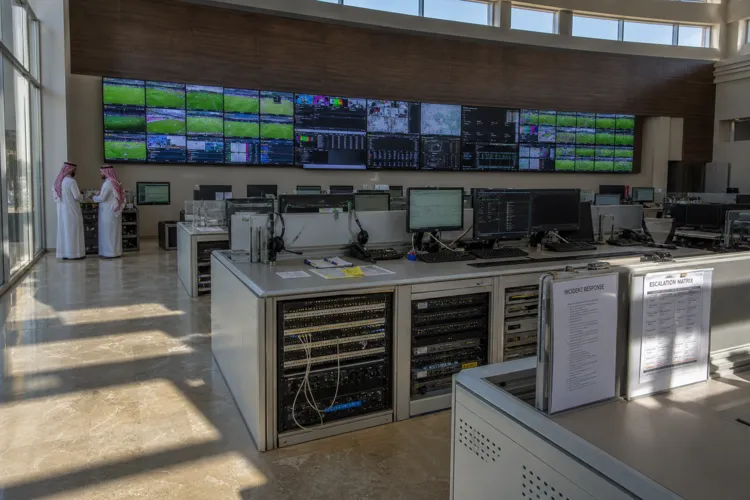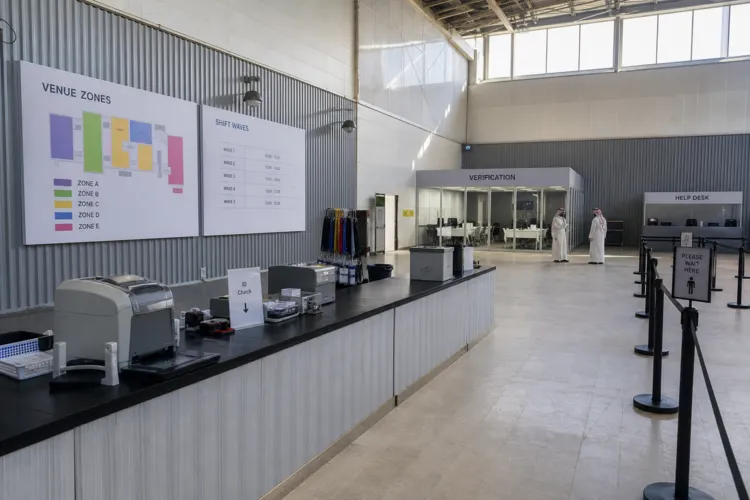
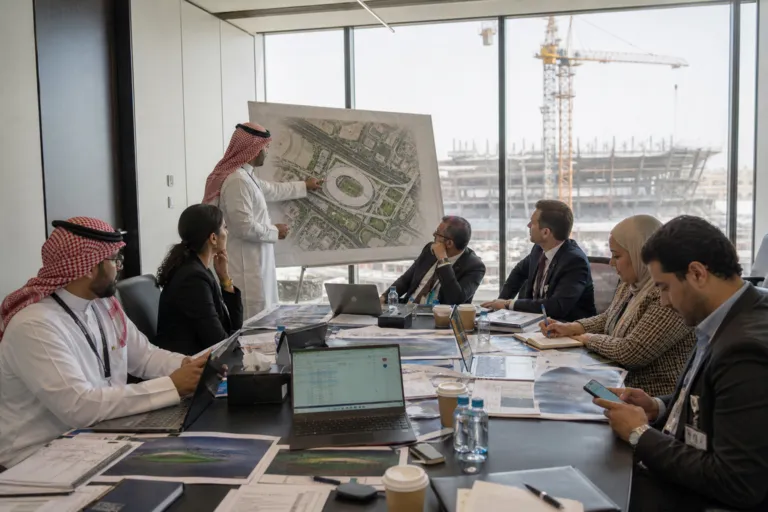
World Cup 2034 Saudi Arabia arrives during what has been described as the Kingdom’s “golden sports decade.” Over the coming ten years, Saudi Arabia expects to host more major sports events than most countries manage in a generation, including the FIFA World Cup 2034 and the Asian Games, alongside a packed calendar across Formula 1, golf, tennis, boxing, and esports. This event density matters for business. It helps sponsors plan multi-event activation. It also helps investors underwrite venues and surrounding real estate with more year-round demand rather than one-off tournament peaks.
Capital is already being allocated toward the ecosystem that will host and monetize global events. One industry view projects Saudi Arabia’s sports market reaching $22.4 billion by 2030, up from $1.3 billion in 2016, with $2.7 billion committed to facility development by 2028. In parallel, Saudi Arabia’s World Cup bid pledged to build 11 new stadiums and refurbish four existing venues. One planned venue, King Salman International Stadium, is due to have a capacity of 92,500. Together, these figures point to a large pipeline for construction, technology, operations, and venue-adjacent commercial development.
Where Sponsors and Investors Can Win Beyond the Tournament
For sponsors, FIFA’s revenue mix signals why media exposure remains a central lever. FIFA accounts said television broadcasting rights contributed “the lion’s share” of annual revenue in 2025, worth more than $1 billion. Saudi Arabia’s Public Investment Fund (PIF) has also moved closer to FIFA as an “official tournament supporter” of the World Cup, while SURJ Sports Investment, which is PIF-owned, holds a stake in streamer DAZN, a Club World Cup broadcaster. Even when deal values are not disclosed, these linkages highlight how brands can pursue rights, content, and distribution partnerships that scale across North America and Asia.
For investors, venue utilization is the key risk and the key unlock. One sports infrastructure perspective argues that the difference between a 20% utilized venue and an 80% utilized one is not design, but demand and supply modelling. That directly affects operating cash flow and asset yield. It also reframes stadium districts as broader developments. The same view notes sports infrastructure is “no longer a cost centre,” and can drive residential value, community activation, and long-term asset yield. With construction on 15 new smart stadiums underway, the upside is tied to programming, tenancy, and year-round event calendars.
Strategy shifts inside the sports portfolio are also part of the commercial context. Reporting noted PIF said sport was a “priority sector,” even as it pulled future funding for LIV Golf, with commentary linking that decision to the substantial spending needed to prepare for the 2034 World Cup in eight years. Separately, analysis described Saudi Arabia’s World Cup project as bankrolled by the Ministry of Sport rather than PIF. For sponsors and investors, the takeaway is practical: align proposals to long-term returns, essential infrastructure, and delivery-linked services that support not just World Cup moments, but the “legacy” period after 2034.
What does “World Cup 2034 Saudi Arabia” mean for business?
What hard numbers show market momentum around sports in Saudi Arabia?
Why is broadcasting central for sponsors evaluating FIFA-linked deals?
How can investors reduce the risk of underused stadium assets?