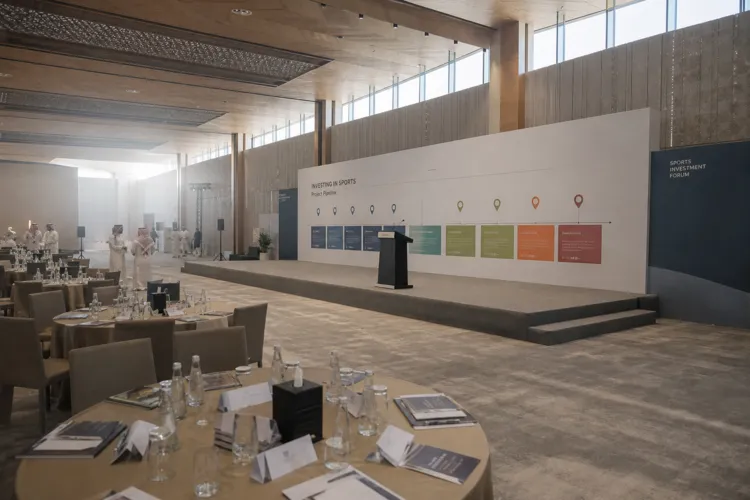
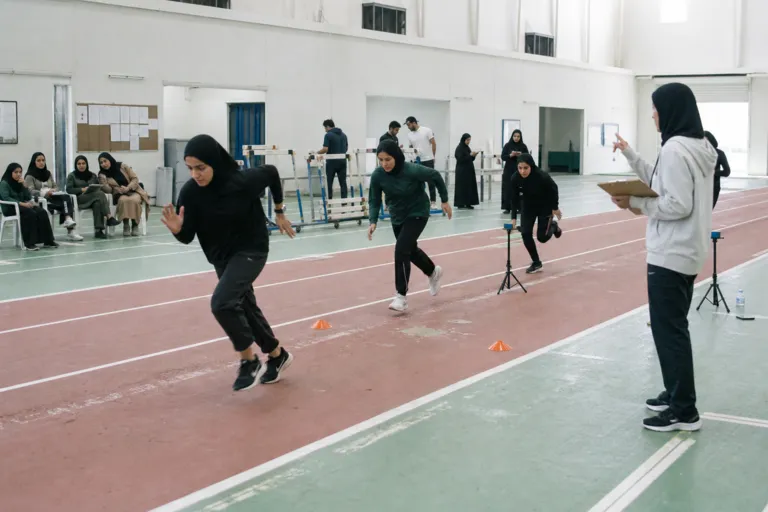
Saudi Arabia’s Olympic ambitions are being built less on single headline events and more on athlete pathways that start early. One consultancy analysis argues the “next Saudi Olympian” is a child now and will be found by “a coach, in a facility, connected to a programme, in the right community,” not by a World Cup moment. That same source notes Saudi Arabia has won just four Olympic medals in its history, which raises the stakes for building a deeper, repeatable system. The practical message is simple. Infrastructure alone is not enough unless it connects to coaching and federation routes that move athletes from participation into performance.
Participation is the base of the pyramid for athlete development Saudi Arabia. Regular exercise has risen from 13% of the population in 2015 to 50% “today,” according to the consultancy source. Another account describes citizen participation jumping from roughly 13% in 2015 to over 48% by 2022, alongside a national target to lift weekly physical-activity rates to 40% by 2030. Female participation has grown 400% over the same period, and girls’ physical education was reintroduced in 2017, helping normalize sport and build a pipeline of coaches, women’s leagues, and female athletes. These shifts expand the pool from which future elite athletes can emerge.
From Venues to Pathways: What Turns Access Into Elite Output
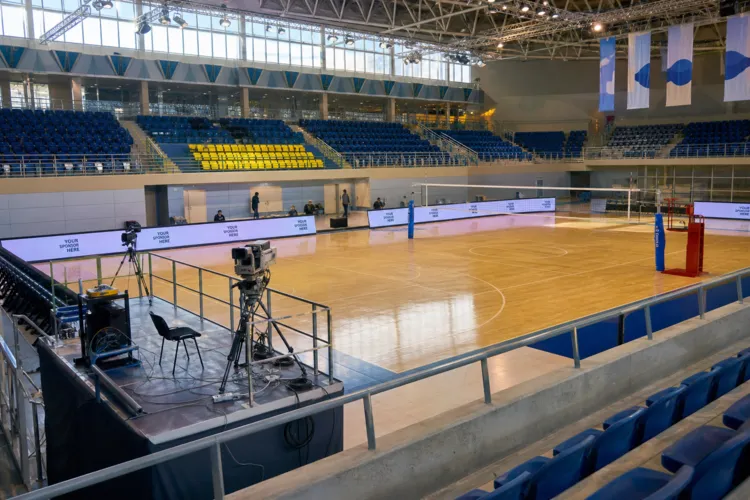
The gap between participation and Olympic-level results is the pathway. The consultancy analysis frames a key risk with a blunt comparison: the difference between a 20% utilized venue and an 80% utilized one is not design, but demand and supply modelling. It also warns that without “aligned federation pathways,” even well-located infrastructure will not translate into elite performance. This is where community clubs, coach education, and structured programmes matter as much as new stadiums. The same analysis argues that sports infrastructure is no longer just a cost center, but a driver of community activation and long-term asset yield—benefits that depend on consistent everyday use.
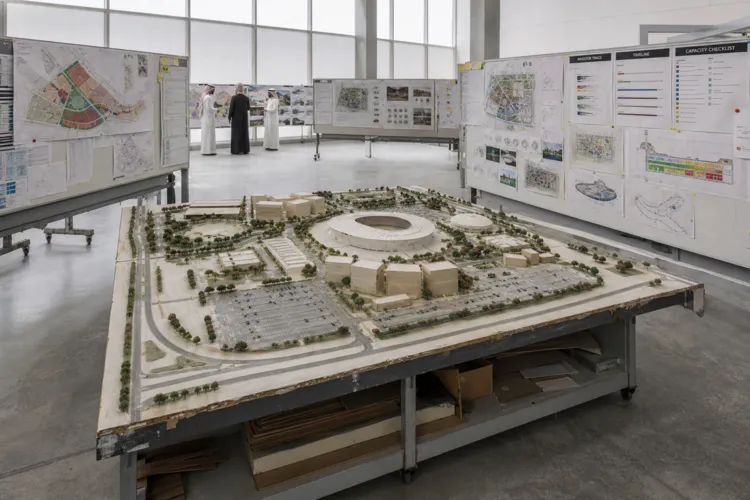
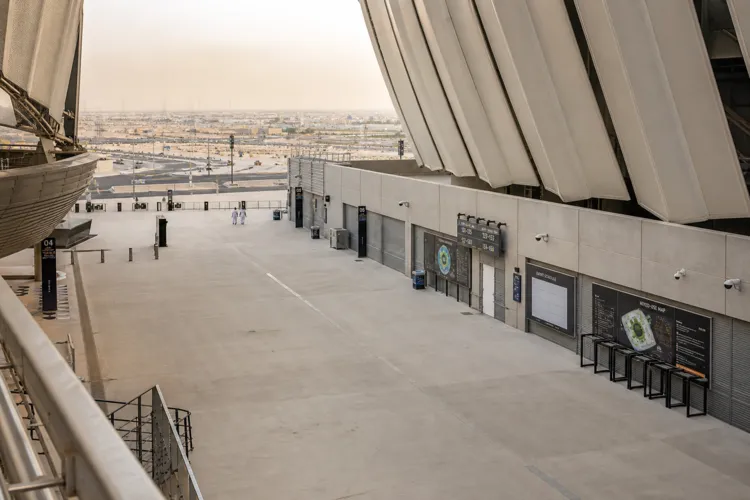
Facility delivery is still central to the plan, and it is being tied to long-term community use and international hosting. Saudi Arabia is progressing the National Athletics Stadium in Qiddiya Sports Park toward formal tendering, with the main contract tender to be released in early 2026 and a 2030 completion target. The project was described as a central facility meant to support major international competitions and community use beyond its completion year. This development also connects to wider preparation for the 2034 Asian Games and expanded competitions, positioning athletics infrastructure as both an events platform and a daily training environment.
Event hosting can accelerate interest, but it also pressures the system to prioritize sustainable pathways. Saudi Arabia has secured or pursued major events, including being awarded the 2034 Asian Games, and hosting the International Equestrian Federation’s World Cup in 2024. It also won bids to stage the 2027 Pan Arab Games and the first Olympic Esports Games in 2027, which was reported as part of a 12-year deal with the IOC. At the same time, some plans have shifted. The 2029 Asian Winter Games were postponed to a later date, with organizers citing a “shared strategic commitment” to long-term and sustainable winter sports development, while acknowledging broader financial pressure with oil trading at around $60 a barrel.
The legacy test is whether programmes outlast the spotlight. A consultancy view calls FIFA 2034 “one of the most significant” moments in the Kingdom’s history, but says future generations will judge this decade by what was left behind: clubs, coaches, pathways, and facilities that turn inspiration into lifelong participation. That framing aligns with wider national messaging about training as a “strategic driver of development” and building “human capabilities” as a foundation for sustainable progress. For Olympic ambitions, the conclusion is direct. Saudi Arabia’s pathway will be judged by how tightly it links participation gains, coach-led discovery, and federation alignment into consistent elite progression.
What does athlete development Saudi Arabia mean in practice?
How much has sports participation increased in Saudi Arabia?
What role does women’s sport play in the pathway?
Why isn’t new infrastructure enough for Olympic results?
How do major events connect to long-term athlete pathways?