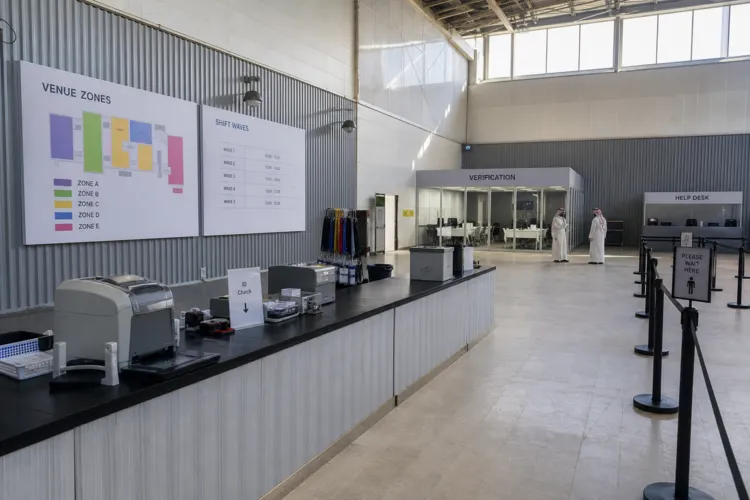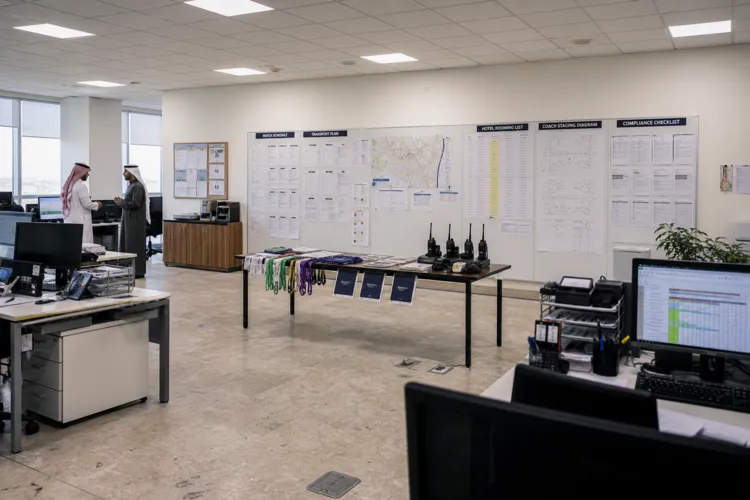
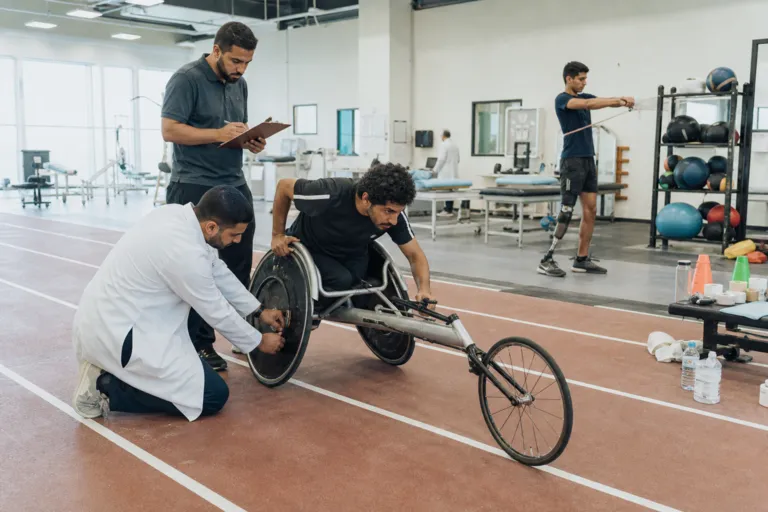
Saudi Arabia is building the kind of sports ecosystem that can support a lasting Paralympic pathway, if capital is placed with a pipeline mindset. Government backing is visible in infrastructure investment of approximately USD 500 million as part of Vision 2030 initiatives, alongside rising private-sector interest and new sports complexes, gyms, and rehabilitation centres under development. Participation targets have been framed as a jump from 13% in 2018 to 40% by 2030, and a separate benchmark notes participation rising from 13% of the population exercising regularly in 2015 to 50% today, with female participation up 400% over the same period. Those participation dynamics matter to para sport because they expand the base for community programmes, coaching, and referrals into rehabilitation and performance services.
Large event cycles can accelerate the enabling infrastructure needed for para athletes, but investment decisions need to be anchored in daily use after the spotlight moves on. Saudi Arabia is preparing to host the FIFA World Cup 2034 and the AFC Asian Cup 2027, and construction on 15 new smart stadiums is underway. There is also a projected sports market figure of $22.4 billion by 2030, up from $1.3 billion in 2016, with $2.7 billion committed to facility development by 2028. For investors shaping para pathways, the key is to align facilities, transport access, and staffing models to year-round grassroots and club demand, not only elite matchday operations. Legacy-first design is repeatedly positioned as the difference between venues that are used daily and venues that go dormant.
Where the Investable Para Pipeline Can Be Built First
Para-sport pathways are inseparable from rehabilitation capacity, especially for injury prevention, return-to-play, and long-term athlete health management. A sports medicine investment thesis is also supported by health needs: the World Health Organization (WHO, 2023) states lifestyle-related diseases account for approximately 74% of total deaths in Saudi Arabia, reinforcing demand for comprehensive rehabilitation services. Regional benchmarks shape expectations too. Aspetar in Doha, Qatar, is described as a regional gold standard in sports medicine and rehabilitation, with advanced technology, expert staff, and research capabilities. Saudi Arabia’s push to invest in similar facilities creates a direct lane for investors interested in para athlete services, including clinical-grade rehab, diagnostics, and integrated performance support that can serve both athletes and the wider community.
Near-term projects can also be structured around training and camps that feed multi-sport development. Saudi Arabia’s Ministry of Investment has outlined sports-sector opportunities worth around SAR 18 billion, while targeting a market size of about SAR 85 billion by 2030. Preparing for the 2034 World Cup includes at least 135 training campsites across the Kingdom, with investment per site estimated at SAR 20-40 million, implying total expected investment around SAR 5.4 billion. While these sites are often framed for football, they can be designed and programmed for year-round multi-sport use, including para disciplines, if accessibility, scheduling, and coaching pathways are built in from the start. That is where “Para sports development Saudi Arabia” becomes a practical thesis: invest where national infrastructure plans and long-term athlete development can share the same asset base.
Investors can also treat the sports-event economy as a demand signal for services that para sport will use, such as medical provision, logistics, and community programming. Grand View Research states the Saudi Arabia sports event market generated revenue of USD 4.9 million in 2024 and is expected to reach USD 9.5 million by 2030, with professional sports events holding a 75.51% revenue share in 2024. This context supports a services-and-operations layer around venues, training sites, and rehabilitation hubs. The most resilient para-sport investments are likely those that monetize across athletes, schools, and communities, while also meeting the quality expectations created by the Kingdom’s international-event ambitions.
What makes Saudi Arabia investable for para sport pathways right now?
How large is the current sports investment pipeline mapped by the Ministry of Investment?
How do World Cup preparations create opportunities that can include para athletes?
Why are rehabilitation and sports medicine central to para sport investment?
How can Para sports development in Saudi Arabia align with the sports-event economy?