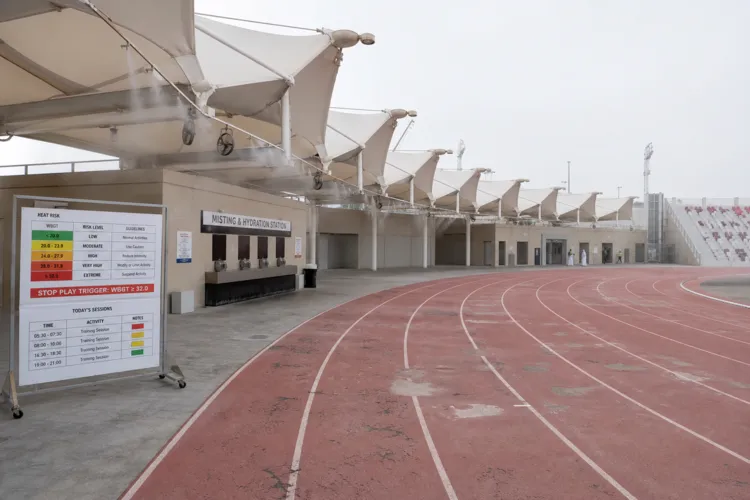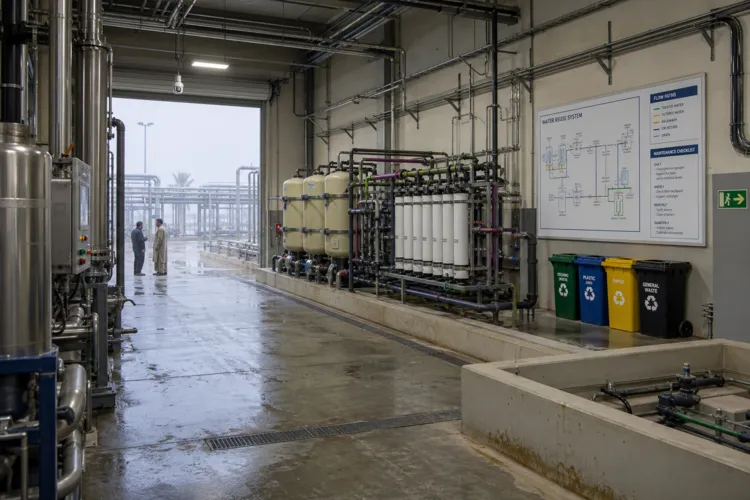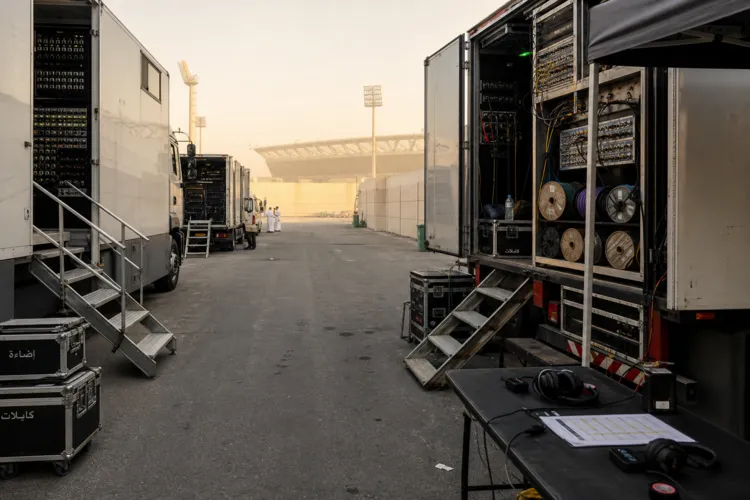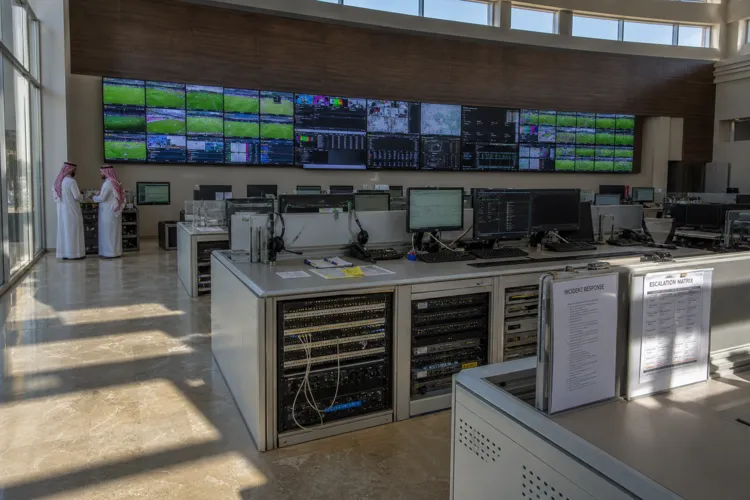
Saudi Arabia was formally confirmed as the host nation of the 2034 FIFA World Cup by FIFA in December 2024 after an uncontested bidding process. That decision puts stadium thermal comfort, match operations, and spectator experience under a bright spotlight. In practice, the HVAC and climate-engineering vendor market around 2034 venues will be defined less by a single “best system” and more by how well suppliers can tailor solutions to different designs, schedules, and use cases. The global context is clear: organizers increasingly treat heat management as a primary focus, and modern venues often combine architectural moves such as retractable roofs with advanced HVAC equipment and targeted airflow to manage conditions for fans and players.
Recent World Cup planning in North America shows what “climate controlled” can mean at the venue level. A 2026 guide lists AT&T Stadium, NRG Stadium, and Mercedes-Benz Stadium as primary air-conditioned venues, and also notes targeted airflow systems at BC Place. AT&T Stadium is described as having a retractable roof that seals the interior completely and a massive HVAC system that can cool the entire stadium bowl within hours, keeping temperatures around 70 degrees Fahrenheit regardless of external heat. NRG Stadium similarly uses a retractable roof, with specialized cooling units under seating tiers distributing chilled air directly to fan zones and the pitch. These examples act as a reference point for vendors competing to support Saudi projects: they show how equipment scope can range from whole-bowl cooling to under-seat, zone-based delivery.
What Vendors Must Engineer for: Heat Risk, Control, and Trade-offs
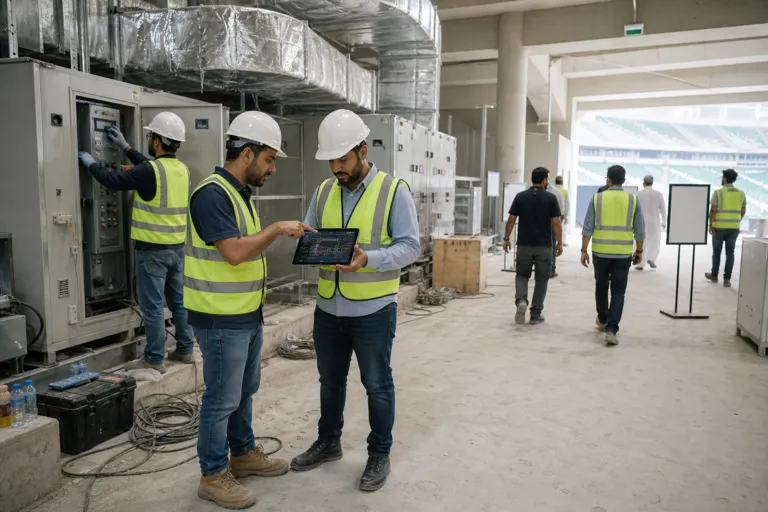
Engineering firms emphasize that no stadium can optimize every objective at once, so vendor selection tends to follow the priorities set by owners and operators. Thornton Tomasetti notes that computational fluid dynamics (CFD) allows engineers to simulate airflow, temperature, humidity, and ventilation before construction begins, helping design teams evaluate roof, façade, and cooling strategies. In concept design, teams can test dozens of configurations across roof, seating bowl, façade, ventilation, and cooling. That has direct implications for the HVAC vendor market: suppliers that can support iterative modeling, respond to shifting design constraints, and integrate with architectural elements like sealed retractable roofs or targeted vents are better positioned as projects move from concept to delivery.
Heat risk trends reinforce why these choices matter. Climate Central reports that nearly all 2026 host stadiums now see more extremely hot days during the June–July tournament period than during the first North American World Cup in 1970, and that pollution from burning coal, oil, and gas accounts for 49% of all extremely hot June–July days since 1970 on average across all 2026 host stadiums. The analysis also notes that the frequency of extremely hot June–July days has tripled on average across 10 repeat host cities since they previously held the tournament in 1986 and 1994. For Saudi Arabia’s 2034 venue planners and bidders, this international evidence strengthens the case for robust design validation, operational planning, and cooling strategies that perform under increasingly common heat extremes, even if match scheduling and other operational measures also play roles.
Regional lessons also come from Qatar’s 2022 experience with air-conditioned stadiums and the challenge of cooling open-air environments. Interesting Engineering quotes Dr. Mahfoud Amara of Qatar University saying that cooling systems are important technology for stadiums in Qatar to maximize venue use for events at different times of the year. He highlights the biggest challenge in cooling an open-air stadium: stopping outside warm air from entering, and defining the interaction boundary between the inside microbubble and the outside macro climate. This is where “stadium cooling technology Saudi Arabia” becomes a vendor capability question, not just an equipment question. Vendors that can manage boundary control, distribution strategies (including under-seat vents), and operational flexibility may align best with multi-event venue ambitions.
When was Saudi Arabia confirmed as host of the 2034 FIFA World Cup?
Which 2026 World Cup stadiums are described as climate-controlled examples?
What performance detail is given for AT&T Stadium’s cooling approach?
How can CFD influence HVAC and climate-engineering vendor selection for World Cup venues?
What does the Qatar example suggest about stadium cooling technology in Saudi Arabia for 2034 venues?