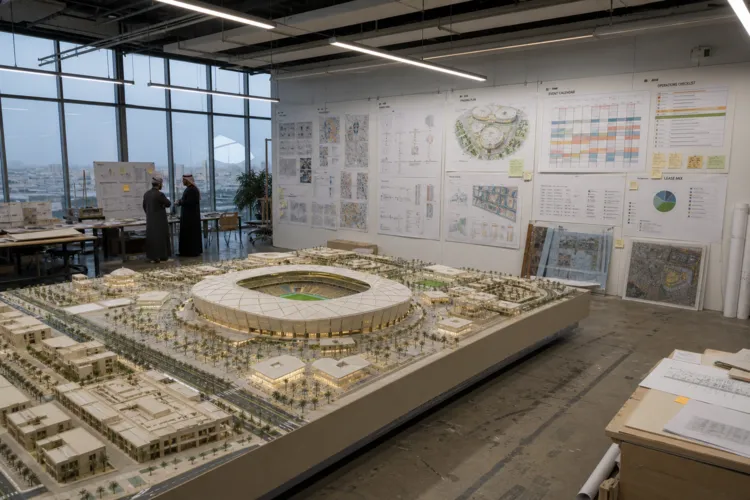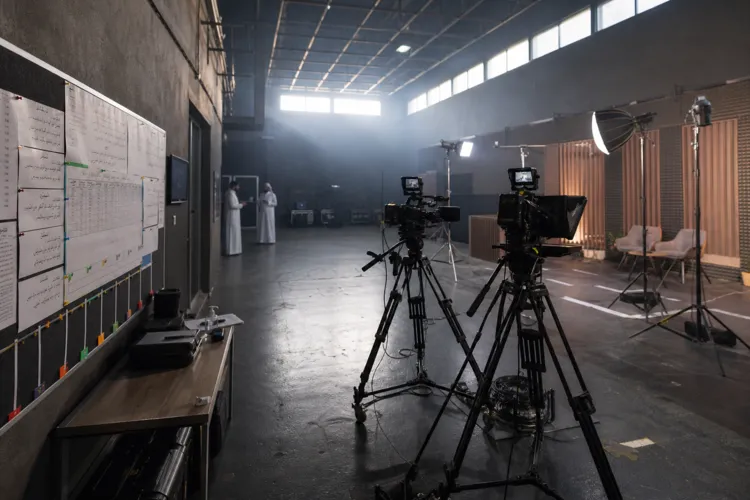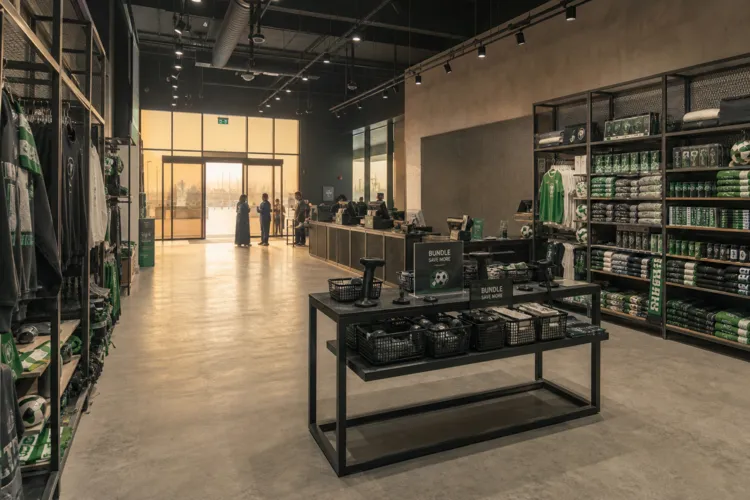
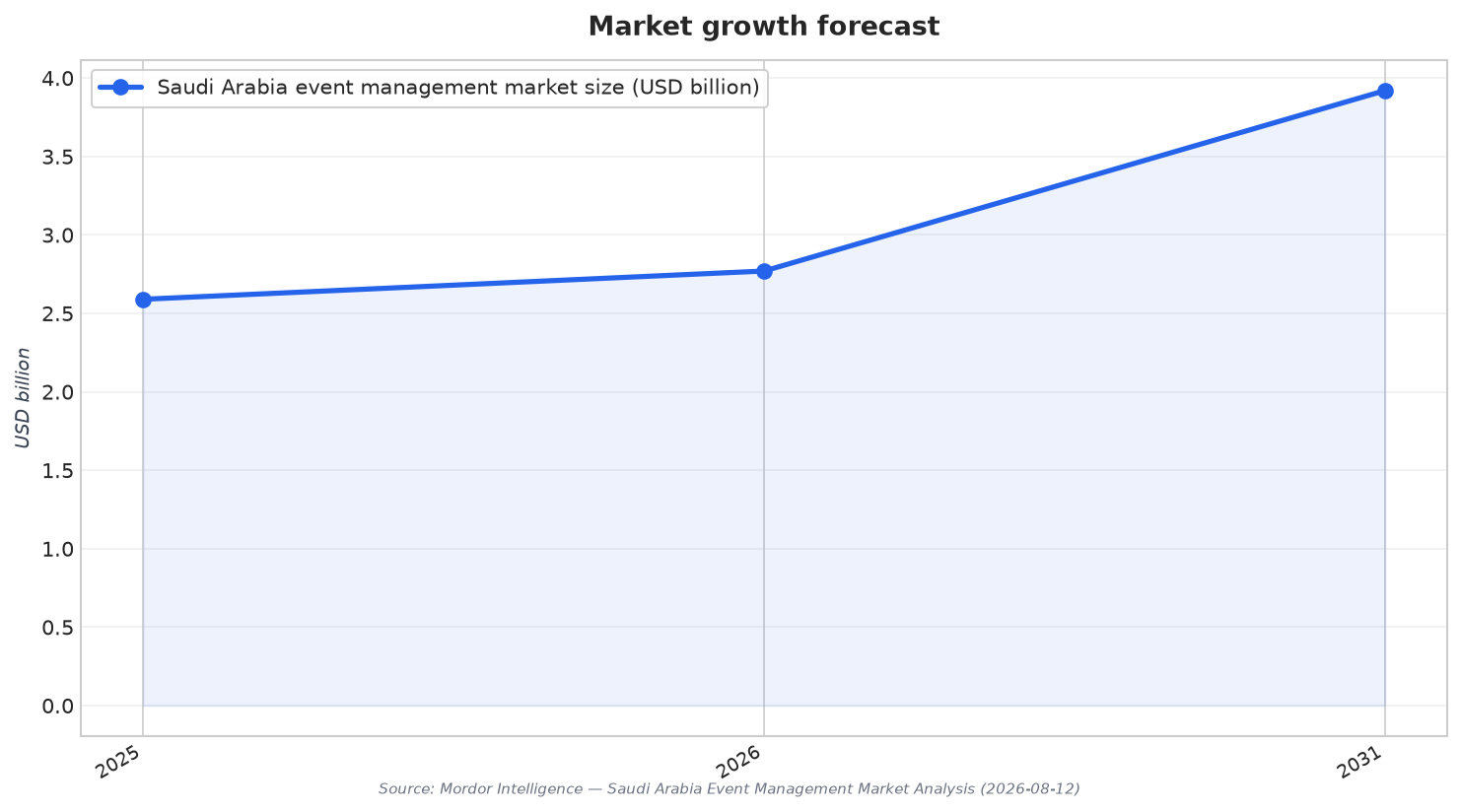
Fan zones Saudi Arabia operators are building are no longer treated as informal gatherings. They are being planned like temporary venues with defined entry, routing, and vendor interfaces. This shift is happening as the Saudi Arabia event management market is expected to grow from USD 2.59 billion in 2025 to USD 2.77 billion in 2026, and is forecast to reach USD 3.92 billion by 2031 at a 7.14% CAGR over 2026–2031. With average venue utilization reported at 68% in Riyadh and 61% in Jeddah as of 2025, live sites help spread demand across time slots, districts, and audience segments while still keeping the event “in the city,” not only inside a stadium.
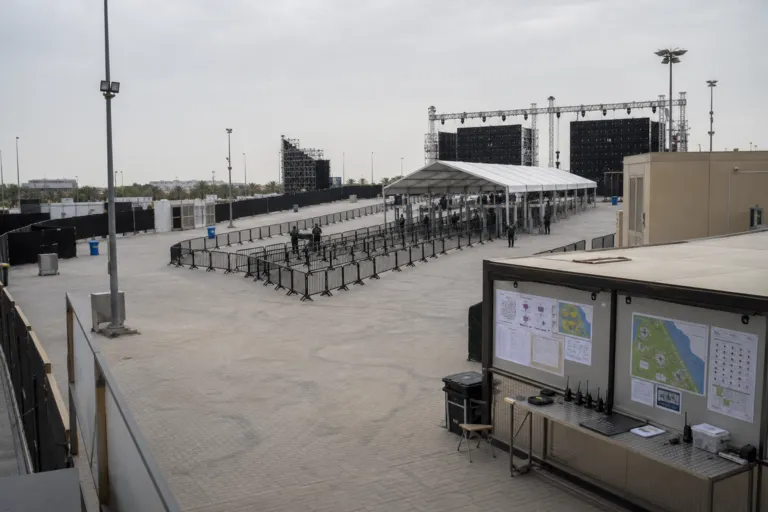
Design and safety planning must start early because the calendar is becoming denser and more complex. A Saudi sports event security guide frames crowd management as starting with infrastructure choices, then daily rehearsal, and highlights recurring risk points such as narrow entrance areas, tight barrier funnels near stages, and routes where vehicles and foot traffic collide. For fan festivals, it also flags operational hazards like poor lighting on walking paths, cables or hoses crossing pedestrian routes, and emergency lanes blocked by vendor vehicles. The same source notes Saudi Arabia has USD 2.7 billion committed to facility development by 2028 and that construction on 15 new smart stadiums is underway, reinforcing why fan environments should be designed with stadium-grade discipline rather than “festival improvisation.”
Operations: Multi-Venue Weekends Need Citywide Playbooks
Saudi mega-event operations increasingly require a citywide lens. The security guidance describes compressed, multi-event weekends in Riyadh, including esports and a major Riyadh Season boxing card running in the same weekend, and warns that crowd management becomes a sequence across venues, hotels, and transport interfaces. A separate sports event management playbook pushes the same operational logic: plan for access, capacity, and smooth movement across the city, and reduce friction in permitting and coordination. This focus also matches market structure. In 2025, corporate accounted for 58.42% of the Saudi Arabia event management market share, while ticket sales represented 54.92% of revenue, meaning organizers must protect both guest experience and throughput when audiences and stakeholders overlap.
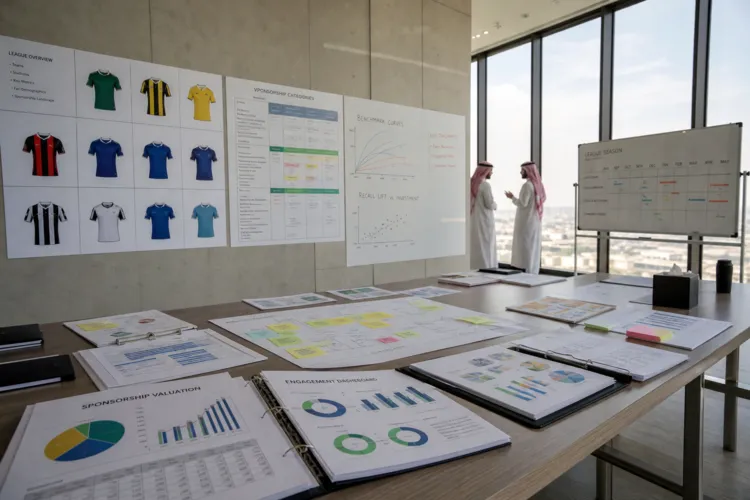
Sponsorship and commercialization models for live sites are expanding because brands can buy visibility and measurable engagement, not only signage. One market report states sponsorships and partnerships contribute to 32% of entertainment market revenue and puts total sponsorship expenditure at SAR 15.6 billion in 2024, naming Saudi Aramco, STC, Saudi Airlines, and Al Rajhi Bank among major sponsors. The same source describes a wide spectrum of packages, including SAR 500,000 presenting sponsors and SAR 75+ million title partners, and says activation rights enable branded experiences and sampling, creating an average of SAR 2.8 million in extra value related to media exposure per big occasion. In parallel, Mordor Intelligence forecasts sponsorships in the event management market to grow at a 12.85% CAGR between 2026 and 2031, supporting the case for sponsor-funded live site programming.
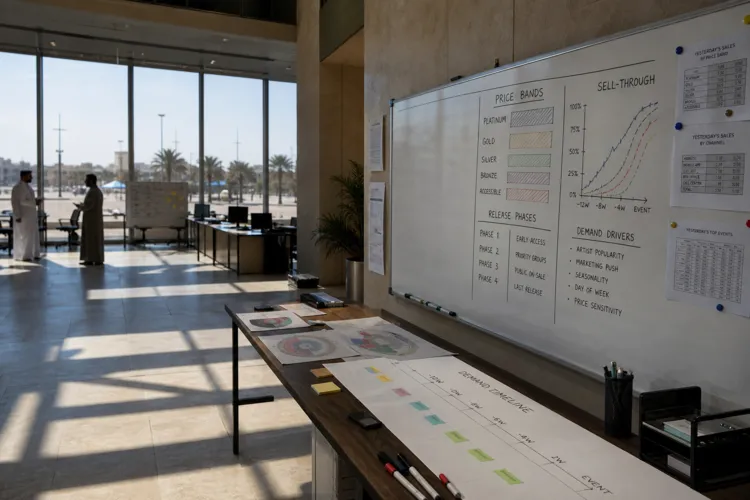
Digital and service delivery choices shape what fan zones can sell and how reliably they can run. Mordor Intelligence reports that AI-based ticketing personalization and dynamic pricing drove a 15% uplift in average revenue per attendee, while another report notes Nusk, a ticketing platform created by Sela, processed 18.4 million transactions in 2024 with an average booking time of 90 seconds to 8 minutes. On the supply side, MarkWide Research describes single-source contracts covering design, build, and strike displacing fragmented bid processes, and says Qiddiya and Diriyah Gate operators demand 48-hour mobilization guarantees from pre-qualified panels. It also notes SFDA HACCP certification requirements above 500 guests, which can affect how fan-zone F&B is procured and controlled at scale.
How should fan zones in Saudi Arabia be designed for crowd safety?
Why do live sites need citywide operations planning in Riyadh?
What sponsorship models are used for Saudi entertainment and event properties?
What market signals support investment in live sites and fan environments?
How do digital platforms improve event commercialization and operations?