The AFC Asian Cup 2027 sits inside a wider Saudi mega-event calendar that also includes the World Expo 2030 and the 2034 FIFA World Cup. For host cities, the commercial goal should be to turn match weeks into repeatable event operations. Saudi Arabia already has an advantage in moving people at scale, built through mass pilgrimage logistics. The fastest path to higher returns is to package football with transport clarity, simple access, and a strong visitor journey that makes it easy to spend across hotels, retail, and attractions.
Host cities can connect AFC Asian Cup 2027 demand to national tourism objectives already stated in Vision 2030 targets. Saudi’s Vision 2030 goal is 150 million visitors, split into 80 million domestic and 70 million international. Tourism currently accounts for 5% of gross domestic product, with an aim to reach 10% by 2030. City strategies should therefore prioritize higher-yield stays, not only matchday volume. That means building bundled ticket-and-stay offers, timed city activations, and clear pathways from stadiums to commercial districts.
Design Returns Around Legacy, Not One-Off Hype
Commercial return is also determined by what happens after the final whistle. Saudi has $2.7 billion committed to facility development by 2028, and construction on 15 new smart stadiums is underway. Those investments will be judged by legacy, meaning daily community use rather than dormant venues waiting for the next major event. For AFC Asian Cup 2027 host cities, that implies designing venue calendars that keep premium spaces selling year-round. It also means planning pricing, staffing, and tenant mixes that fit local demand, not only tournament demand.
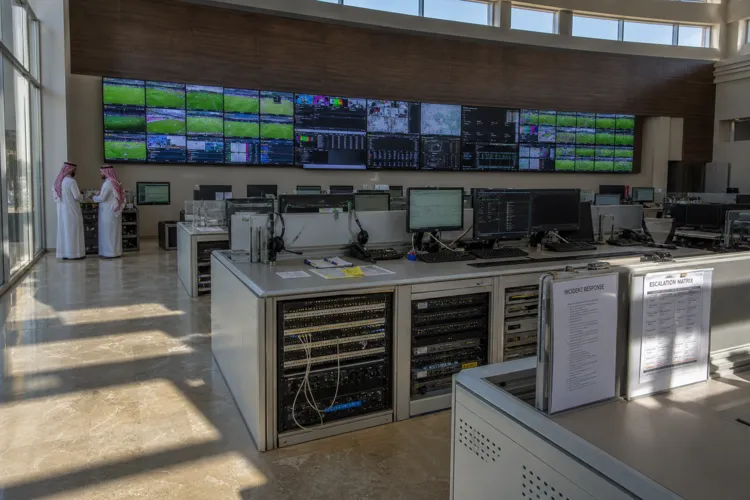
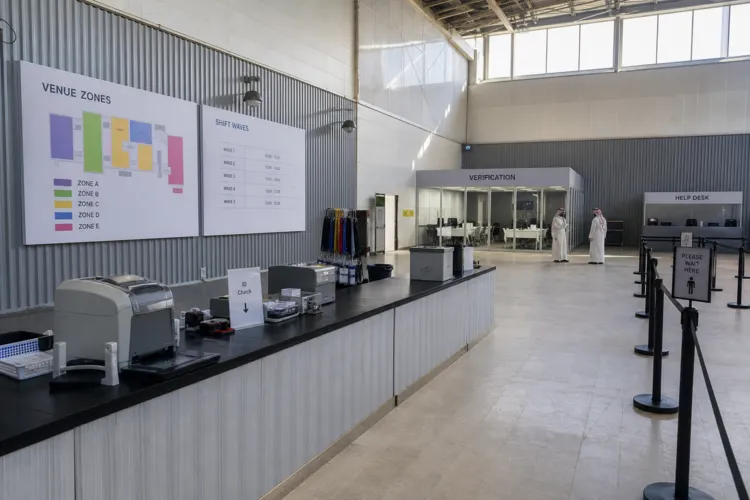
Cities should also align stadium operations with the wider commercial rights ecosystem that already exists in Saudi football. SMC Group manages and operates the full spectrum of rights, sponsorships, and organisation for the Kingdom’s top football tournaments, and has delivered full tournament management covering operations, ticketing, and stadium branding at Alawwal Park. For AFC Asian Cup 2027, host cities can use this model to tighten inventory control across ticketing, branding, and partner activations. The objective is to reduce leakage and create consistent sponsor value across venues.
Another lever is to treat the tournament as a gateway to broader event-led tourism. A separate argument in Saudi tourism strategy is to become the world’s most event-friendly country, spanning the full MICE spectrum, including corporate conferences, mid-tier concerts, trade shows, and regional summits. Host cities can extend AFC Asian Cup 2027 value by selling weekday conference packages around match schedules and by simplifying event approvals. This approach also benefits from Saudi’s growing infrastructure and policy momentum, including visa liberalization, while acknowledging operational friction points like traffic congestion and venue capacity.
Finally, host cities should plan supply and accommodation with an eye on where investment is already concentrating. Around 252,000 keys have been announced, planned, or are under construction and due to be delivered by 2030 in Makkah and Madinah, and Neom is set to provide roughly 80,000 keys as it prepares for the 2029 Asian Winter Games. Even though those numbers are not AFC Asian Cup 2027-specific, they signal where capacity and competition may grow. Cities can respond by differentiating with integrated entertainment districts and premium stays, a theme highlighted by hotel and developer leaders discussing how mega events can become lasting economic engines.
How can AFC Asian Cup 2027 host cities increase commercial returns fast?
What national targets should cities align to when planning AFC Asian Cup 2027?
Why does venue legacy matter for profits after the tournament?
What commercial capabilities already exist in Saudi football that can be reused?
How can MICE and events add value around AFC Asian Cup 2027?