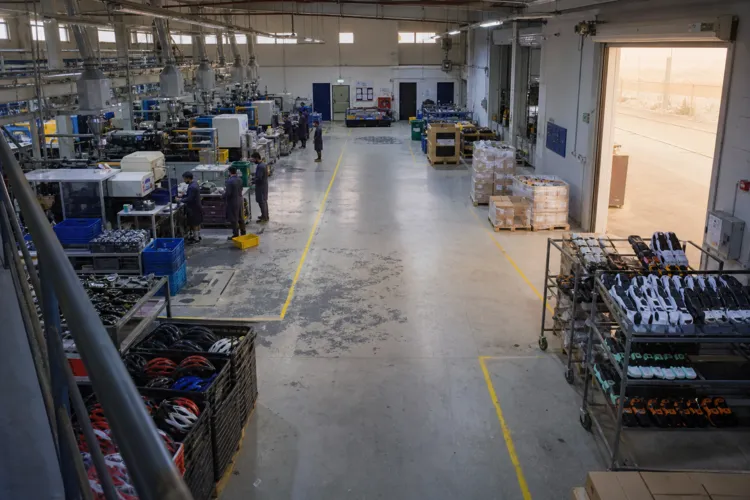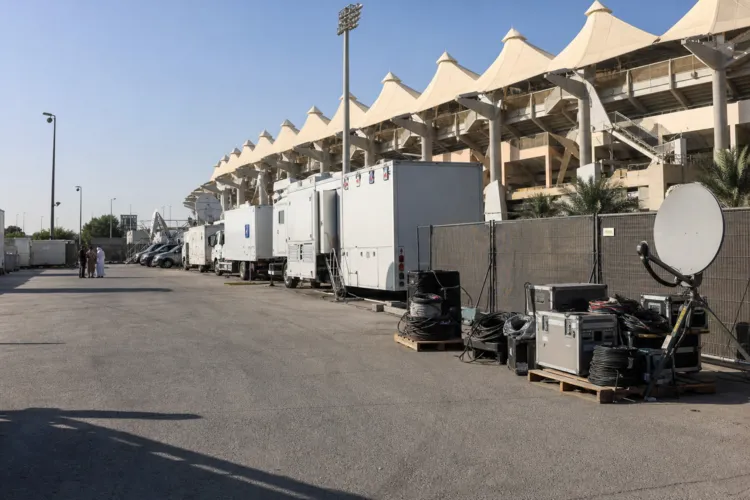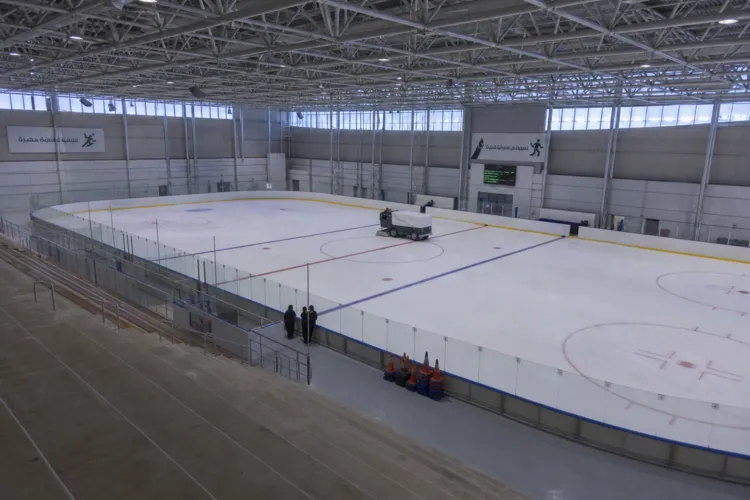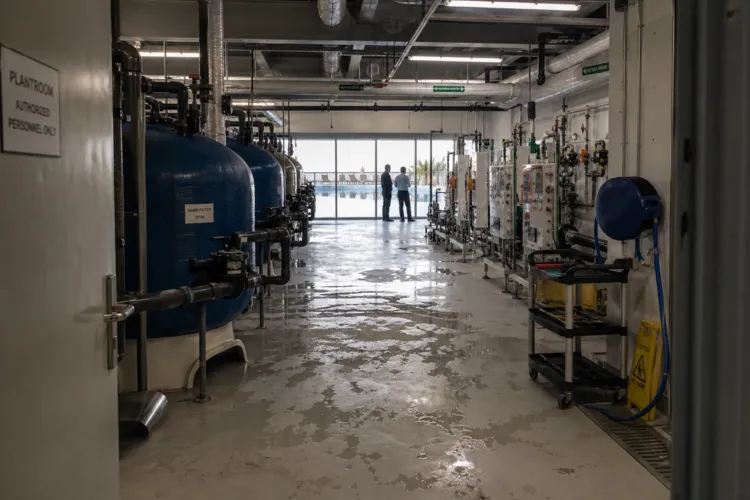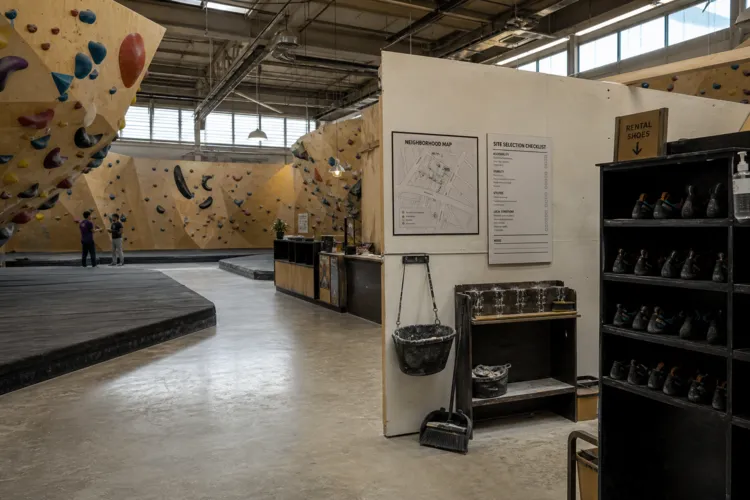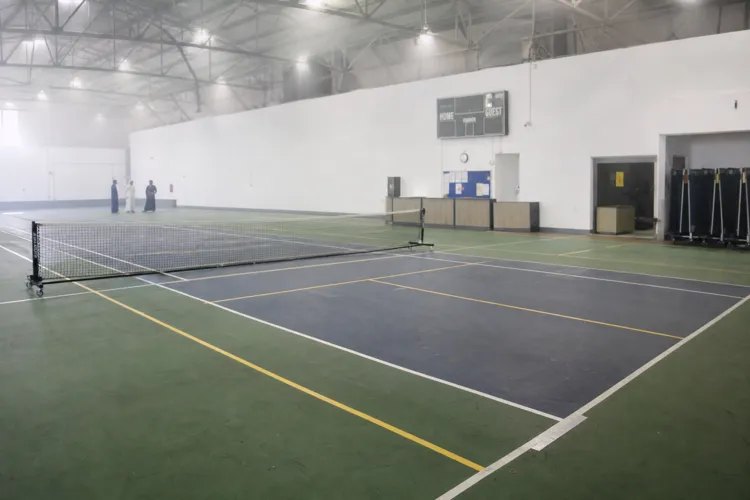
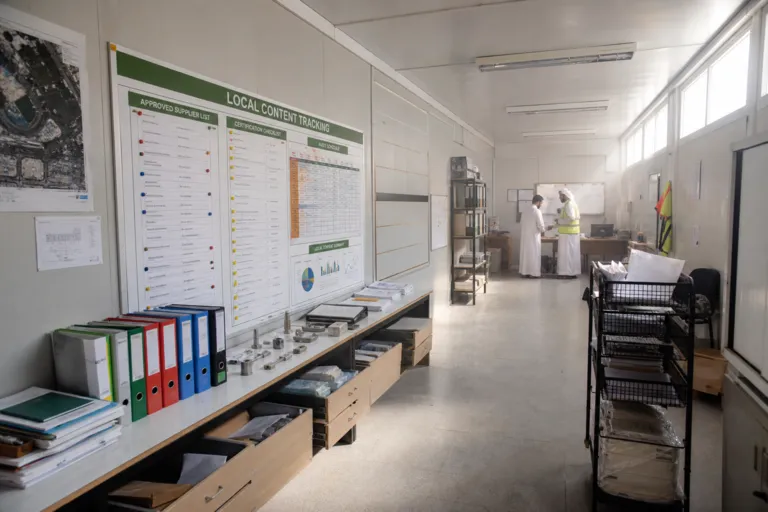
Saudi Arabia is expanding its sports and live events ecosystem. That brings more tenders for stadium construction, venue upgrades, and event operations. Suppliers face a common requirement: show local value, not just a low price. Local value can include Saudi labor, in-Kingdom sourcing, local manufacturing steps, and knowledge transfer. The key is to treat local content as a deliverable with evidence. For local content sports procurement, the highest risk is assuming the requirement is “nice to have.” In practice, it can affect evaluation scores, contract obligations, and payment milestones.
Start by mapping the procurement path. In Saudi public and quasi-public buying, you may deal with government entities, state-owned companies, or large venue operators. Many follow structured bidding, vendor registration, and post-award reporting. Expect tender documents to define what counts as local content, how it is measured, and when it must be proven. Build a compliance file early. Include your corporate registration, local partner agreements if used, Saudization and training plans, and a bill of materials that marks which items are sourced in-Kingdom. If a local content baseline or target is stated in the tender, align your cost model and schedule to it before you submit.
How to Build a Bid That Stands Up to Local Content Review
Write your bid so the evaluator can score it quickly. Use a simple local content plan with four parts. First, scope. List what you will deliver for the stadium or event, including temporary works, systems, and services. Second, sourcing. Break down major categories such as seating, lighting, turf, audio-visual, MEP, security, overlays, and catering. Mark what will be purchased locally, what will be assembled locally, and what must be imported. Third, people. Provide a staffing chart that separates Saudi nationals, other in-Kingdom hires, and fly-in specialists, plus a training schedule tied to handover. Fourth, governance. Name an accountable manager, define monthly reporting, and specify how you will validate supplier invoices and payroll records for audit readiness.
After award, treat local content like a contract KPI. Add it to your project controls, just like safety and quality. Use procurement gates: no purchase order is issued until the local content impact is recorded and approved. Keep clean evidence. Store supplier tax invoices, certificates of origin where relevant, local subcontract agreements, and timesheets showing work performed in Saudi Arabia. For event suppliers, track short-term labor rosters, transport logs, and venue service orders. If the contract allows substitutions, document any change that reduces local content and seek approval before execution. This approach avoids disputes during progress claims and final account settlement.
Manage common compliance pitfalls. Do not overpromise local manufacturing steps that cannot be delivered within schedule. Do not assume a distributor purchase is the same as local production, unless the tender defines it that way. Avoid “pass-through” subcontracting that adds cost but does not add Saudi capability. Instead, create credible local development actions. Examples include training Saudi technicians on turf maintenance, lighting controls, broadcast support, or crowd management systems. Also plan for audits. Keep an audit trail that links tender commitments to purchase orders, delivery notes, and payroll. When you can show traceability, you reduce rework, protect payment, and strengthen your position for renewals and future events.
What does local content mean in Saudi stadium and event procurement?
How should suppliers document local content during delivery?
How do I avoid common local content compliance risks?
How can suppliers compete better in local content sports procurement without inflating costs?