Saudi Arabia is building a larger, more varied sports and fitness ecosystem, and equipment supply is still catching up. One market view values the Saudi Arabia Sports Equipment Market at approximately USD 1.2 billion, based on a five-year historical analysis, and links growth to rising health consciousness and government initiatives promoting sports. Another study places the Sports Equipment and Apparel Market at USD 877.85 Million in 2023, with a projection to USD 1104.86 Million by 2032 at a CAGR of 4.85%. Across these views, the consistent theme is demand expansion alongside a manufacturing base that has not scaled at the same speed.
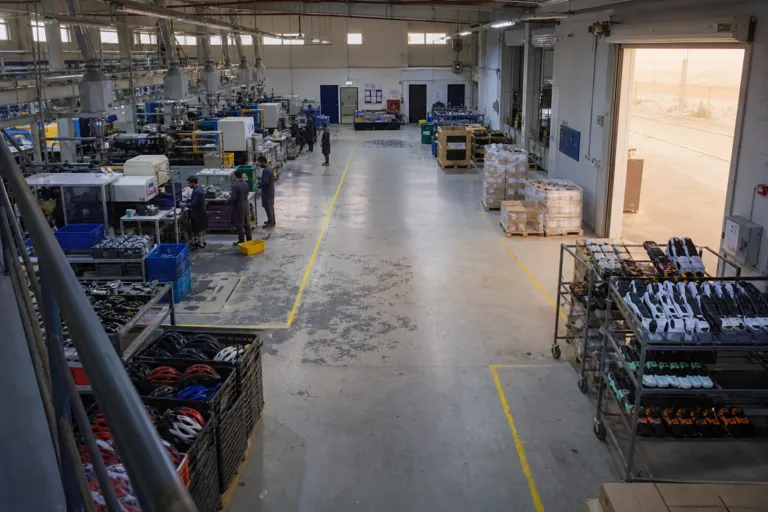
For sports equipment manufacturing Saudi Arabia, the opportunity is clearest in categories where local output is thin and imports dominate. A Saudi gym and fitness equipment analysis states that domestic manufacturing exists only at the margins, citing items such as light dumbbells, benches, mats, and select steel fabrication. It adds that high-precision cardio machines, cable systems, and electronic fitness consoles are almost entirely sourced from abroad. This import reliance makes the market sensitive to global freight rates, currency fluctuations, and supplier lead times, but it also opens room for local inventory, installation, and maintenance models that reduce downtime and uncertainty for buyers.
Why Localization Looks Commercial, Not Just Strategic
Policy and market structure both reward a shift toward local value creation. Ken Research notes import tariffs averaging 5–20% on sports equipment, which can increase retail prices, and also states that local manufacturing is underdeveloped, with only 10% of the market supplied by domestic producers. At the same time, it projects the Saudi e-commerce sector to grow by 30% in future, expanding reach to younger consumers who prefer shopping online. Together, these points suggest that a domestic producer or assembler can compete on speed, availability, and service, while also helping brands manage landed-cost pressure created by tariffs.
Demand pull is also visible in the fitness-club channel that purchases equipment in bulk and expects ongoing service. Mordor Intelligence values the Saudi Arabia Health And Fitness Club Market at USD 1.74 billion in 2026, growing at a CAGR of 11.53% to reach USD 3.01 billion by 2031. It also points to geographic concentration in Riyadh, Jeddah, and the Eastern Province, and cites a SAR 2 billion investment in the Sports Boulevard project. In practice, these clusters can support localized manufacturing, assembly, or refurbishment hubs close to where installation and maintenance resources are needed most.
Localization is already a clear narrative in adjacent categories, reinforcing the broader “make it local” logic for equipment. A Saudi sportswear report highlights Vision 2030 localization efforts, Saudi 100 Brands, investment-attraction programs, and a projected USD 42 billion fashion market as conditions that support scaling domestic sportswear manufacturing and footwear production. While sportswear is not the same as equipment, it demonstrates how import dependence can become a catalyst for domestic capability building. For equipment, the near-term pathway can start with metalwork and durable goods where local fabrication exists, then move toward higher-precision systems as supplier ecosystems mature.
What makes local sports equipment manufacturing in Saudi Arabia attractive right now?
How dependent is the Saudi sports equipment market on imports?
What market figures highlight the scale of demand in Saudi Arabia?
What role do tariffs and e-commerce play in localization decisions?
How does the growth of fitness clubs support equipment localization?