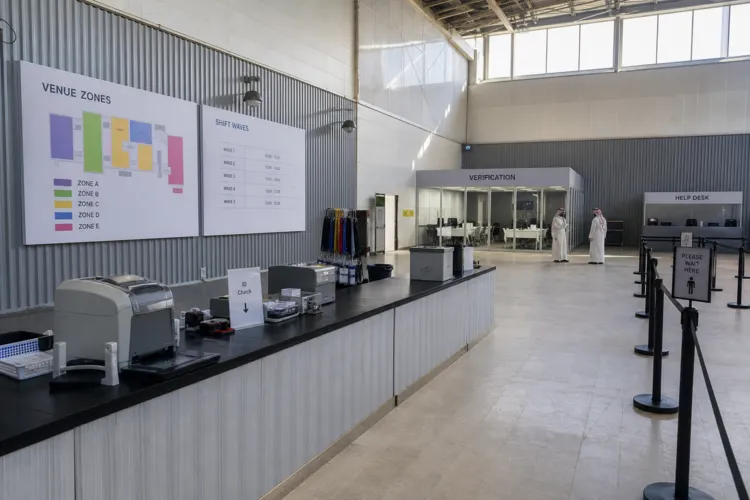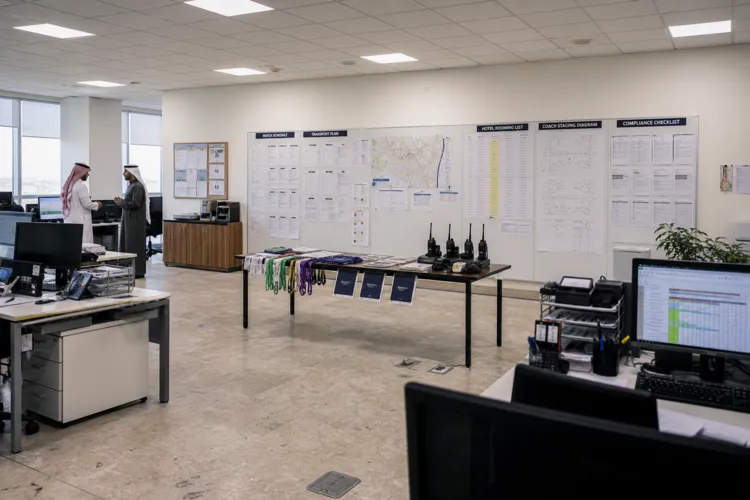
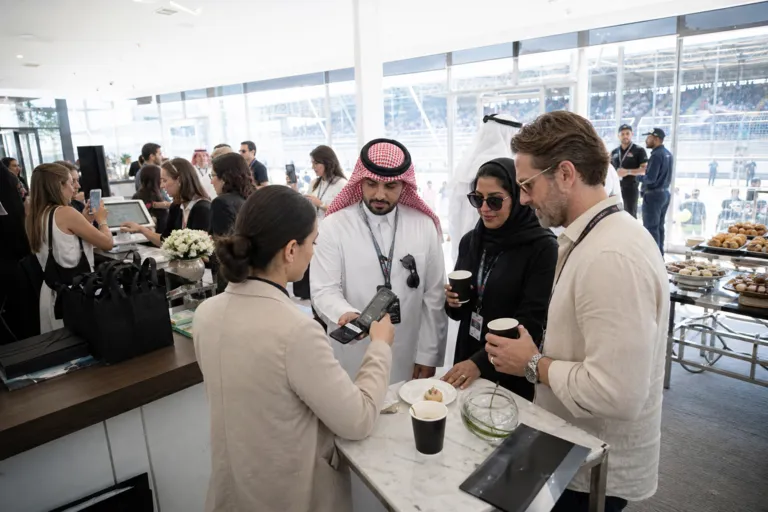
The Saudi Arabian Grand Prix business sits inside a Saudi hospitality calendar that is “densely punctuated by events,” including Formula 1, Riyadh Season, and other major periods of demand. One implication is that events are not a temporary spike layered on top of a normal market. In this framing, “the events are the demand.” That matters for pricing, packages, and premium inventory. It also matters for how operators plan staffing, food and beverage, and partner experiences when demand is concentrated and intense.
At the center of the commercial structure is the hosting fee. It is understood Saudi pays the joint-most of any race, alongside Qatar, at approximately £30m ($55m) to host a grand prix. For context, Bahrain pays an estimated £24m ($45m) for the right to host. These numbers show why the race weekend is treated as a national-scale commercial moment, not only a sporting one. They also explain why disruption risk becomes a board-level topic for organizers, suppliers, and hospitality groups.
Hospitality Volatility, Activation Value, and Revenue Discipline
Hospitality revenue around mega-events is sensitive to pricing swings. One HospitalityNet example illustrates the scale: a 200-key luxury property running at an average daily rate of 700 SAR, at 65% occupancy, generates approximately 91,000 SAR in daily rooms revenue and 33 million SAR annually. The same source says a 12% ADR decline, the exact decline Saudi hospitality recorded in Q4 2025, wipes 4 million SAR off the top line in a single year, before any occupancy change is factored in. This is where sponsor and brand activations matter, because they can help protect premium pricing when supply and demand are volatile.
Off-track revenue is also linked to whether travel spend gets lost or merely delayed. During the 2026 regional conflict, the cancellation of the Formula One races in Bahrain and Saudi Arabia was expected to defer, not permanently lose, over $200 million in tourism and hospitality revenue across the two destinations. WTTC’s Gloria Guevara said that when accounting for wider effects like hotel occupancy, international flight bookings, and local hospitality spend, the total commercial deferment could exceed $200 million. For the Saudi Arabian Grand Prix business, that highlights the value of a year-round event pipeline that gives high-value travelers reasons to reschedule.
Saudi Arabia’s broader sports-and-entertainment ecosystem supports that pipeline and creates more inventory for premium hospitality. The General Entertainment Authority’s Six Kings Slam, part of Riyadh Season, has paid each player at least $1.5 million per match, with the winner taking $6 million. While this is tennis, it demonstrates how Saudi events can be packaged around star power, VIP experiences, and premium audiences. Separately, Saudi Arabia’s F1 ties include Aramco’s partnerships in the sport, and PIF held 16% of Aramco as of 2025. These linkages reinforce why F1 weekends can be treated as platforms for multi-season programmes, not only one-off campaigns.
Ultimately, the Saudi Arabian Grand Prix business depends on aligning hospitality operations with an event-first market. HospitalityNet notes Saudi Arabia could have 362,000 rooms operational by 2030, increasing the importance of revenue systems that can handle event-driven volatility rather than treating events as overlays. Meanwhile, industry commentary emphasizes long-term vision, policy continuity, and global partnerships as part of the Kingdom’s hospitality investment fundamentals. For promoters and hotels, the commercial goal is consistent: turn race-week attention into repeat visitation by connecting F1 to the wider Saudi calendar of major events.
What does “Saudi Arabian Grand Prix business” include beyond the race itself?
How large is Saudi Arabia’s understood F1 hosting fee?
What does one hotel example show about event-week pricing risk?
If an F1 race is canceled, is the tourism revenue always lost?
How do other Saudi events relate to off-track revenue logic?