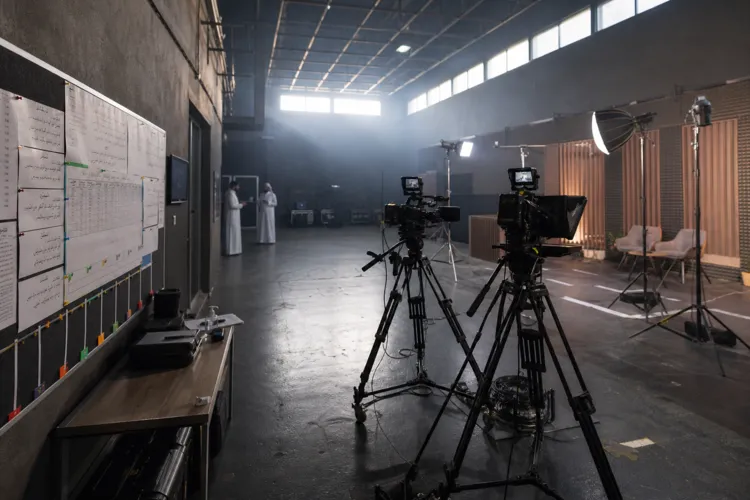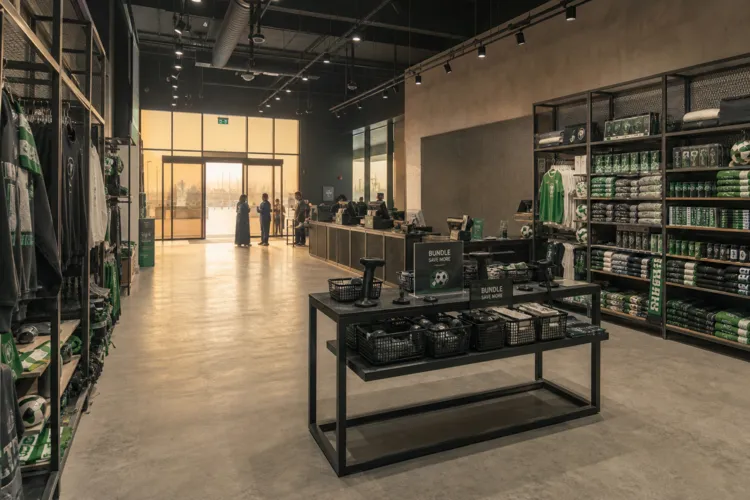
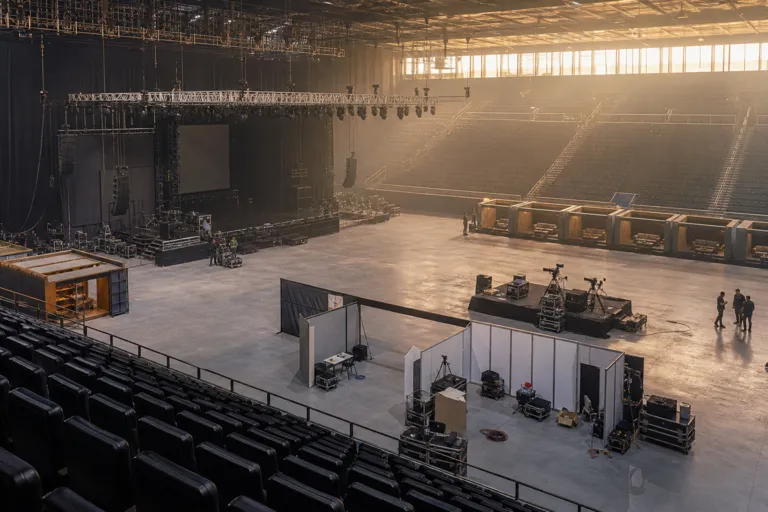
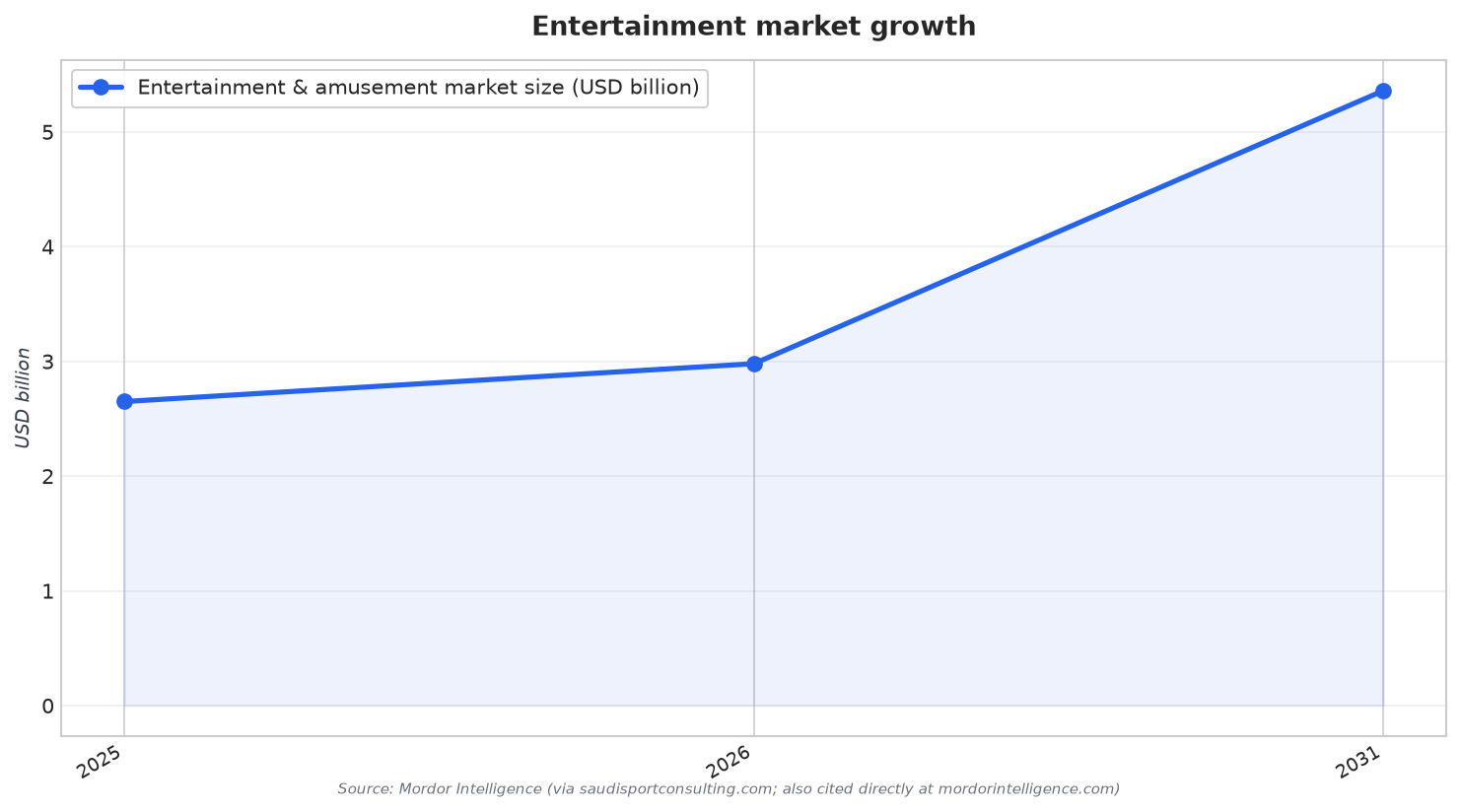
For developers, esports arena development in Saudi Arabia is increasingly a subset of the same commercial logic driving indoor arenas more broadly: year-round programming needs year-round buildings. Saudi-focused analysis notes that indoor venues are more expensive to build and operate, but are necessary for continuous calendars that go beyond seasonal festivals. That thesis sits alongside a broader expansion in paid entertainment. Saudi Arabia’s entertainment and amusement market is estimated at USD 2.98 billion in 2026, up from USD 2.65 billion in 2025, and is projected to reach USD 5.36 billion by 2031 at a 12.4% CAGR over 2026–2031 (Mordor Intelligence). Developers can translate that growth into a capex rationale by designing one venue to serve tournaments, concerts, exhibitions, and family formats, so the same shell and MEP spend supports more billable event days.
Utilization and event mix matter because they determine whether a venue behaves like a one-tenant box or a flexible entertainment platform. As of 2025, average venue utilization is cited at 68% in Riyadh and 61% in Jeddah, indicating demand density in the largest cities. The event management market is expected to grow from USD 2.59 billion in 2025 to USD 2.77 billion in 2026 and reach USD 3.92 billion by 2031 (7.14% CAGR over 2026–2031). In 2025, corporate end users accounted for 58.42% of event management market share, while exhibitions & conferences and sports together held 36.94%. For an esports-led building, this pushes design choices toward rapid changeovers, flexible seating, and back-of-house layouts that can host corporate bookings and expo-style builds between headline competition weekends.
Capex Positioning: Build a Multi-Use Asset, Not a Single-Use Bowl
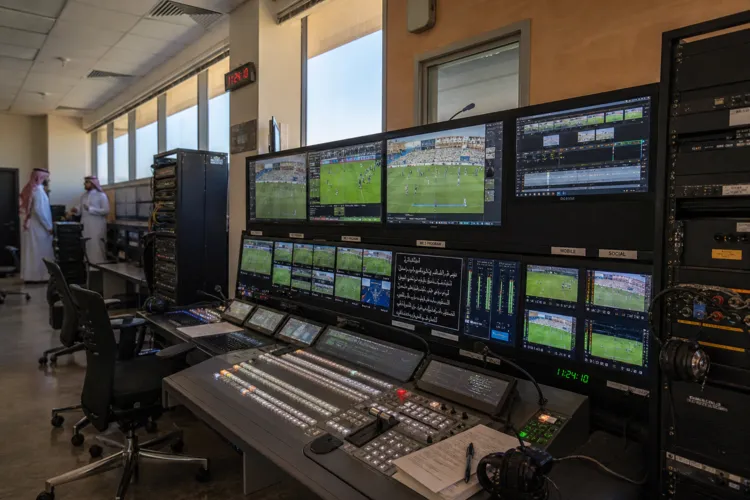
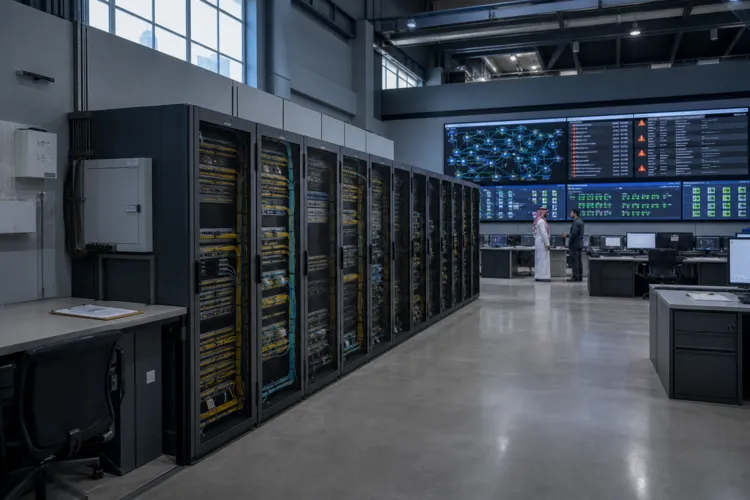
Global market signals also reinforce the “ecosystem venue” approach. Fact.MR values the global esports arenas market at USD 0.9 billion in 2025, estimating USD 1.1 billion in 2026 and projecting USD 5.3 billion by 2036 at a 17.0% CAGR. In that same report, Saudi Arabia is projected to record 18.9% CAGR through 2036. The segmentation cues are useful for capex planning: dedicated esports arenas are expected to hold 44.0% share in 2026; medium-capacity arenas (2,000–10,000 seats) are projected to account for 41.0% share in 2026; and event hosting revenue is expected to hold 38.0% share in 2026. In practice, that mix encourages developers to budget for broadcast and content creation spaces, hospitality zones, and sponsor-facing inventory that can be monetized outside peak tournament days.
Tenant models need to match the revenue mix now emerging across Saudi entertainment. In the entertainment and amusement market, ticket sales accounted for 50.10% of share in 2025, while premium experiences are forecast to advance at a 20.1% CAGR to 2031. Families captured 46.78% of market share in 2025, and youth & teenagers are projected to grow at a 13.3% CAGR during the outlook period (Mordor Intelligence). This supports a multi-tenant playbook: anchor the calendar with competitive tournaments, then sell corporate buyouts, family activations, and premium hospitality packages in the gaps. It also aligns with operator strategies highlighted in Saudi market commentary, including embedding entertainment within wider retail and hospitality master plans and using unified CRM platforms to capture cross-venue behavior and enable variable monetization models.
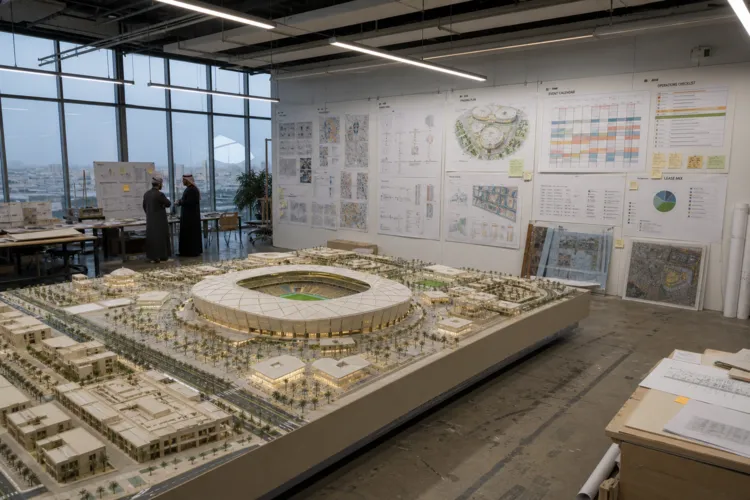
Finally, developers should frame esports arenas as part of a wider pipeline of leisure and construction investment rather than isolated projects. Government entities are cited as having channeled more than SAR 50 billion (USD 13.33 billion) into leisure infrastructure between 2024 and 2025, including 21 Saudi Entertainment Ventures (SEVEN) destinations, the Qiddiya mega-theme-park cluster, and mixed-reality zones inside NEOM. Separately, Saudi Arabia’s construction market is projected at USD 142.30 billion in 2026 and forecast to reach USD 186.13 billion by 2031, growing at a 5.52% CAGR over 2026–2031, with public spending accounting for 71.5% of 2025 construction activity. In that environment, the strongest tenant models are those that let an arena function as a programmable, sponsorable, broadcast-ready component inside an experience district, not a venue that only comes alive on tournament days.
What utilization signals support building indoor venues in Saudi Arabia’s biggest cities?
How fast is the esports arenas market projected to grow, and what does it imply for venue programming?
Which arena format and capacity bands show up in market segmentation for 2026?
What tenant mix pressures come from Saudi Arabia’s event market structure?
How does esports arena development in Saudi Arabia connect to premium experience revenue models?