Youth football leagues in Saudi Arabia are moving from informal activity toward a structured product that can be packaged, sponsored, and measured. At World Football Summit Riyadh, institutions described a system expanding at scale. The Saudi Arabian Football Federation (SAFF) oversaw 12,000 matches last year across 109 competitions, and 80 of those competitions were at youth level. At the same time, the number of private clubs and academies jumped from 88 to 189 in a single year. Those figures matter commercially because they turn “grassroots” into inventory: fixtures, audiences, venues, coaching touchpoints, and repeat participation that sponsors can plan around.
The professional layer helps explain why youth structures are becoming easier to monetize. The Saudi Pro League’s revenue has tripled over the past three years, and a long-term broadcasting deal delivered a 50% increase in value. The league now broadcasts in over 180 countries and its social media presence has grown tenfold, according to the league CEO. Saudi Arabia’s Ministry of Sport has completed transactions involving 11 football clubs and plans to offer additional clubs to investors, supported by preparations for the FIFA 2034 World Cup. As clubs formalize budgets and governance, youth programs become a more credible extension of the broader club brand and partnership strategy.
Sponsorship and Data Make Youth Competitions Easier to Price
Sponsorship value improves when leagues can explain who they reach and what outcomes they deliver. A report summarized by Arthur D. Little notes that sponsorship represents between 70% and 80% of commercial income for many clubs, and argues that advanced analytics helps match brands with specific fan segments. That logic can translate to youth competitions when organizers standardize scheduling, media outputs, and engagement touchpoints. SAFF’s unified platform is a strong base for this: it tracks player development across 60–70 parameters, covering the pathway from youth academies to the national team. Even without publishing sensitive details, the existence of a consistent measurement layer helps sponsors view youth football as a long-term investment, not a one-off logo placement.
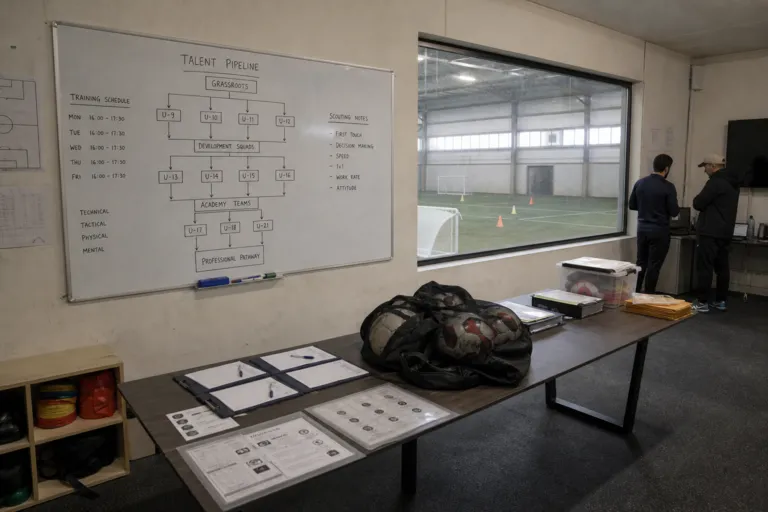
Commercialization also depends on the “talent pipeline” being real, visible, and trusted. SAFF’s scale of youth competitions supports that credibility, while international linkages can strengthen it. A January 2026 analysis described European football academy partnerships as a visible part of Saudi Arabia’s youth-development strategy, with entry starting at age 4 and players staying until 18, and programs mentioned for both boys and girls. These pathways create storylines that sponsors understand: progression, performance, and potential. For clubs, the benefit is not only competitive development; it is a repeatable narrative that can sit under season-long partner packages aligned with youth tournaments and academy calendars.
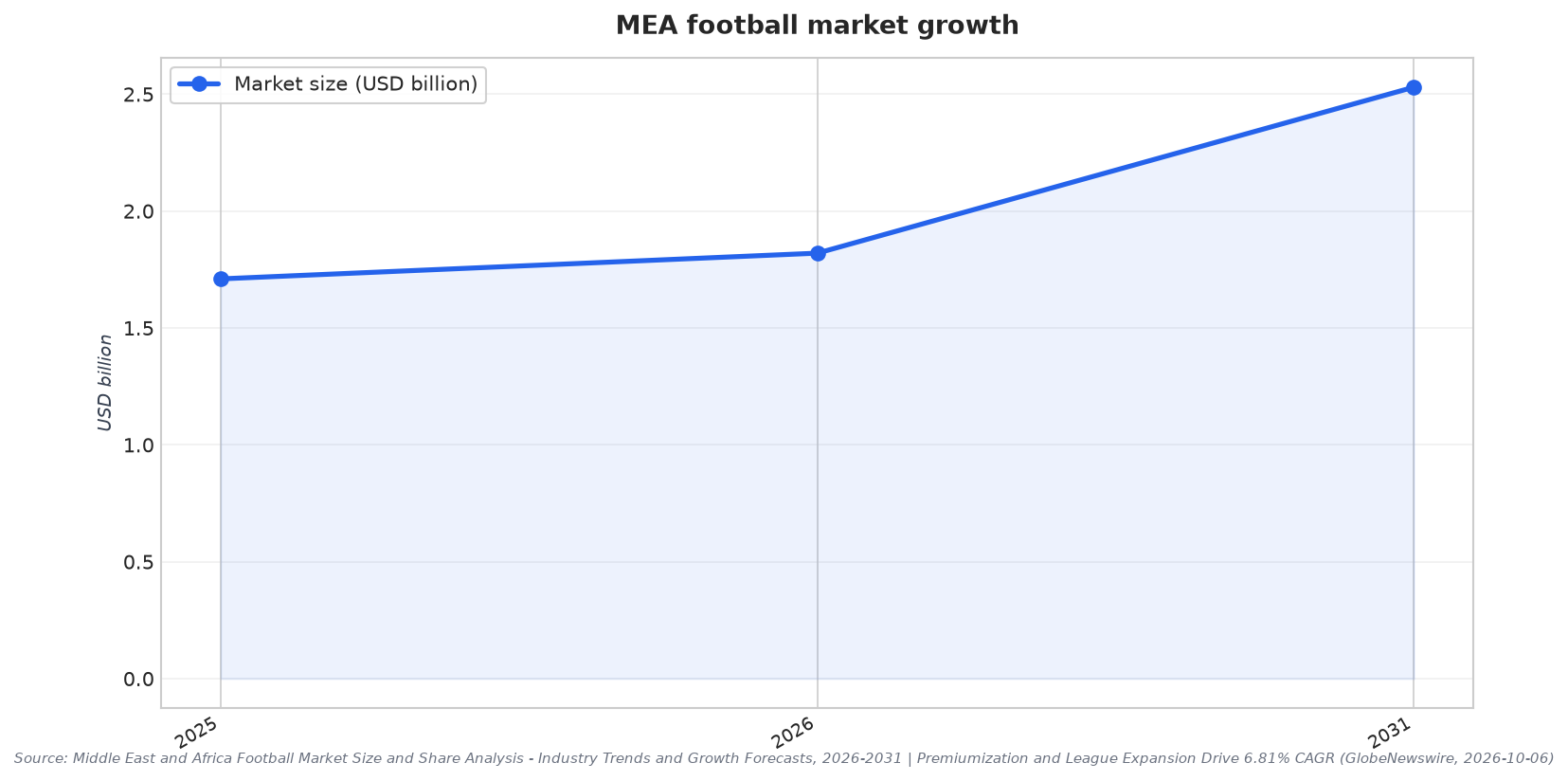
The last commercial lever is distribution and access. The same academy partnerships analysis cites Saudi Arabia’s e-commerce market at USD 31.29 billion in 2026, up from USD 27.96 billion in 2025, and projected at USD 54.87 billion by 2031, at an 11.92% CAGR over 2026–2031. For youth football, that creates practical routes to monetize registrations, trials, camps, and equipment through direct-to-consumer workflows that families already use. It also fits a wider regional market context: the Middle East and Africa football market is projected to grow from USD 1.71 billion in 2025 and USD 1.82 billion in 2026 to USD 2.53 billion by 2031, at a 6.81% CAGR, and Saudi Arabia is expected to capture 29.1% of the region’s market share in 2025. Put together, the sponsorship playbook, measurement infrastructure, and pathway credibility explain why youth football leagues Saudi Arabia can be commercial products, not just community programs.
What scale signals that youth football in Saudi Arabia is becoming a real commercial product?
How can sponsorships be structured more effectively around youth competitions?
What data infrastructure supports talent development measurement in Saudi Arabia?
How do academy partnerships support a talent pipeline narrative for brands and clubs?
How much larger is the commercial context around football in Saudi Arabia and the region?