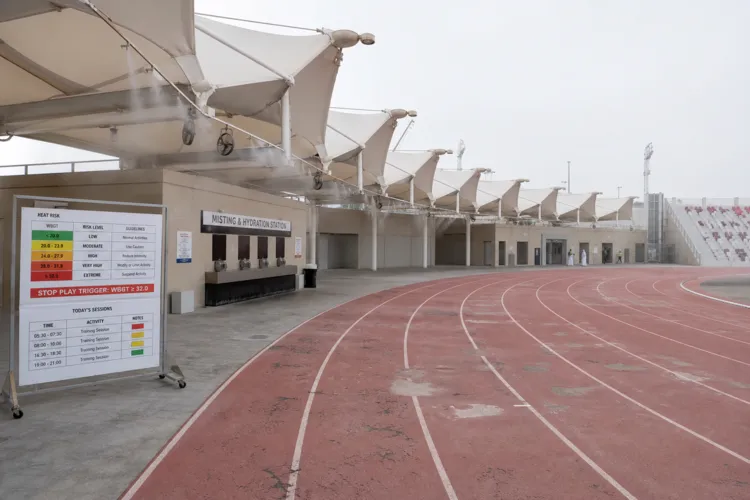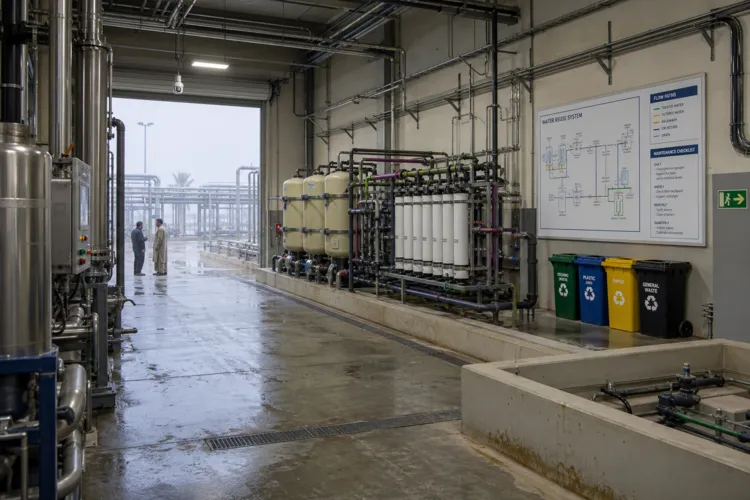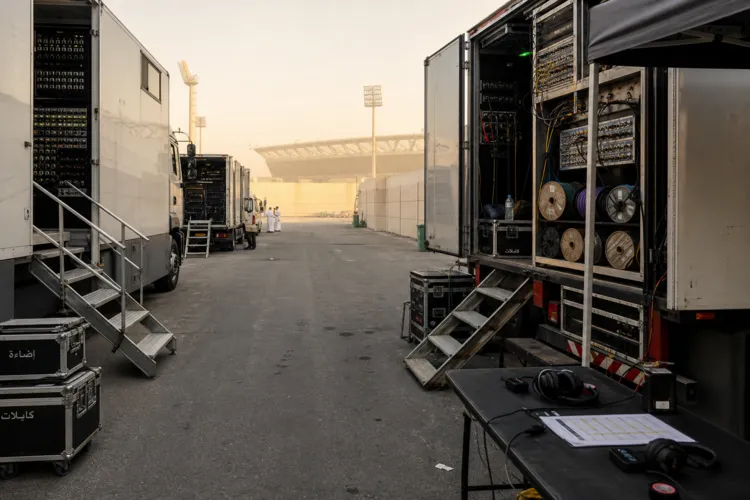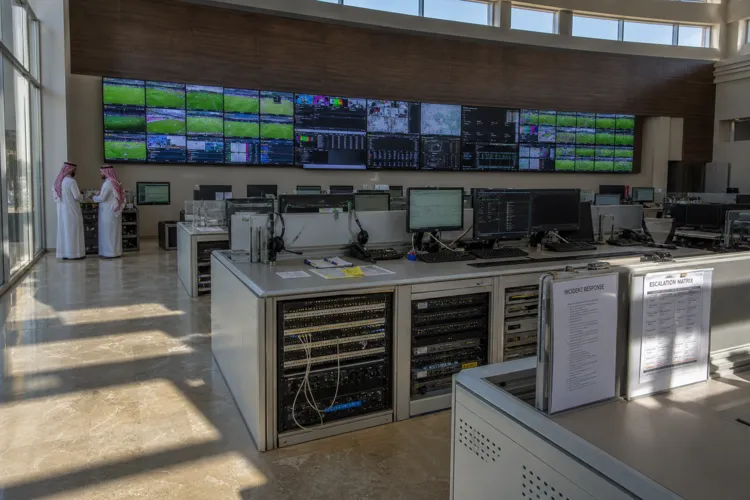
King Abdullah Sports City is entering a pre-2034 window where operating strategy matters as much as physical readiness. Multiple signals in recent reporting point to tighter liquidity and more selective capital allocation across Saudi projects. Rachel Ziemba of Ziemba Insights said FDI and portfolio investment has generally disappointed targets, adding that projects that are less linked to key areas or very costly will likely be delayed, scaled back, or cancelled. That backdrop changes the commercial brief for existing venues. It increases the value of assets that can demonstrate reliable utilisation, predictable income, and strong community and event demand.
A workable operating strategy for King Abdullah Sports City should start with a utilisation-first lens. Consultancy commentary on sports infrastructure argued that the difference between a 20% utilised venue and an 80% utilised one is not design, but demand and supply modelling. The same piece warned that without aligned federation pathways, even well-located infrastructure will not translate into elite performance. For an operator, that implies tighter coordination between scheduling, sports bodies, and grassroots pipelines. It also frames the stadium as more than an occasional event site and pushes the venue to behave like a year-round platform for participation and programming.
Commercial Renewal Options That Fit the New Capital Mood
Commercial renewal should align with the shift in national strategy language toward efficiency and measurable yield. Skift reported that on April 15 the sovereign fund PIF approved its 2026-2030 strategy, marking a shift from “rapid growth and acceleration” to “sustained value creation,” and that construction commitments have been cut by tens of billions. In the same reporting, PIF governor Yasir Al-Rumayyan said delayed NEOM projects were not on the “critical path,” reserving that label for Expo 2030 and the World Cup 2034. For King Abdullah Sports City, renewal options that reduce operating friction, improve conversion, and lift repeat use are likely to fit this mood better than prestige upgrades without clear utilisation outcomes.
Programming choices can also learn from external legacy examples cited in the same consultancy analysis. After London 2012, 106 community facilities were upgraded across the city and 400,000 Londoners participated in grassroots sport through the Mayor of London Sport Legacy programme. Queen Elizabeth Olympic Park now attracts more than 6 million visitors a year, and the article stressed that legacy was locked into design from the beginning. King Abdullah Sports City can mirror the logic operationally, even without new build. That means packaging community access, partner pathways, and repeatable calendar blocks so the venue’s “demand engine” is designed, not assumed.
Renewal planning should also account for delivery pressure and competing event priorities. An AP report said the 2029 Asian Winter Games in Trojena were indefinitely postponed, while noting that Saudi is slated to host major events requiring tens of billions of dollars in infrastructure investments, including the 2030 World Expo in Riyadh and the 2034 FIFA World Cup. Separate sports-business reporting noted LIV had racked up billions of pounds of losses since its launch in 2022, and quoted Dr John Rewilak saying Saudi Arabia faces enormous infrastructure and delivery costs with the 2034 World Cup approaching. For King Abdullah Sports City, the practical takeaway is to prioritise options that can be implemented with operational discipline and that support hard-deadline demand, rather than betting on uncertain mega-add-ons.
What is the best operating focus for King Abdullah Sports City ahead of 2034?
How does PIF’s updated approach affect venue renewal decisions?
Which national deadlines are treated as most critical in current reporting?
What legacy lesson can be applied to King Abdullah Sports City operations?