The Saudi sports creator economy is growing in a market that is investing heavily in sport, entertainment, and esports. Saudi Arabia will host the 2034 FIFA World Cup. The UFC and WWE are turning Riyadh into a top destination for their events, and Saudi-backed boxing is tied to a new media rights deal with Paramount for a new promotion. On the football side, the Saudi Pro League’s 2023 spending spree included more than $1 billion on transfers, and spending so far this year has already amounted to $486 million. These moments create constant demand for athlete-led content, brand storytelling, and creator partnerships that extend beyond matchday.
Monetization in this environment is not only about sponsorship logos. It is also about systems that turn fandom into repeatable revenue. PwC authors writing in Consultancy-me describe a “huge opportunity” for sports organizations in the Middle East to strengthen back-end infrastructure, including data and cloud capabilities, to unlock growth in engagement and revenue. They also note that cloud solutions can reduce the need for costly on-premises infrastructure, making data analytics more accessible and cost-effective. For athletes and brand partners, that points to monetization models built around measurable engagement, smarter packaging, and more efficient sponsorship and partnership models.
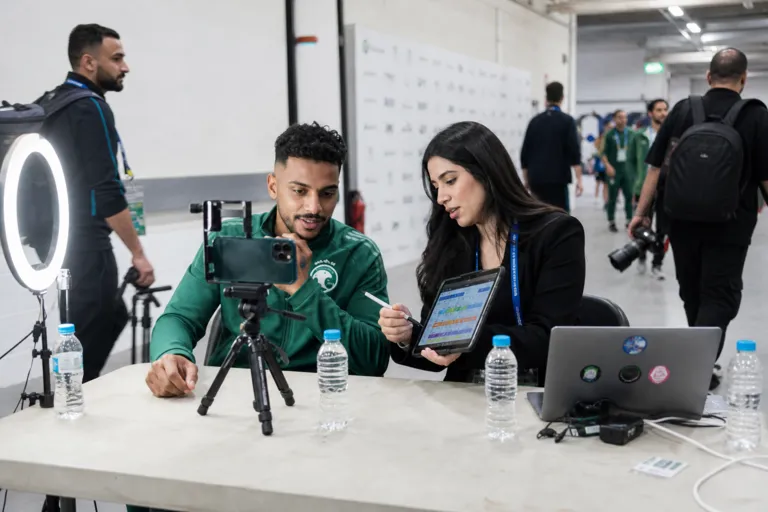
At the athlete level, the creator playbook is increasingly multi-stream. A Front Office Sports item syndicated on Yahoo highlights how independent sports creators think about real economics across YouTube AdSense, Patreon, and brand deals, while acknowledging that no single revenue stream is guaranteed. In parallel, The Drum states that “athletes are creators now,” with direct-to-fan channels, personal brands, and communities. That combination supports a layered model: fan subscriptions and membership access, advertising-linked video publishing, and structured brand partnerships that pay for integrations, social-first storytelling, and long-tail distribution across platforms.
Brand-Partner Models: Build Ecosystems, Not One-Off Endorsements
For brand partners, the most resilient approach is ecosystem thinking. The Drum argues that the most resonant campaigns put athlete storytelling at the center, and it warns of operational risk because athletes can be injured, have off seasons, or post impulsively. It recommends interrogating alignment with data and integrating athlete voices across paid, owned, and earned media before, during, and after major tournaments. One example cited by The Drum is NBC’s approach around the Paris Olympic Games, where a Creator Collective of 25+ creators generated 6.5bn impressions and 30m daily viewers through social-first, behind-the-scenes storytelling. The scale is not Saudi-specific, but it shows what an ecosystem model can deliver when creators are planned in early.
Saudi Arabia’s esports push adds another monetization layer tied to creator culture. The BBC notes Saudi Arabia hosted major tournaments including the Esports World Cup and will host 2027’s planned Olympic Esports Games. Prof Simon Chadwick also cited a youthful population, with 70% aged under 35 years old, and described official government policy aimed at building the esports economy. On the investment side, Axios reports that PIF-owned Savvy Gaming Group acquired ESL and FACEIT for about $1.5 billion and Scopely for $4.9 billion. Polygon adds that Qiddiya’s Esports and Gaming District aims to attract 10 million visitors a year by 2030 and incubate 30 leading video game development companies. For athletes and brands, this supports monetization through livestream formats, event-linked content, and gaming-adjacent collaborations that fit sports audiences.
As Saudi sports organizations professionalize, creators sit closer to finance, governance, and institutional capability-building. Consultancy-me reports that MMJS Consulting will advise leaders of sports entities on innovative financing solutions, enhancement of financial governance practices, strengthening institutional capabilities, and professionalisation of operations, while also advising Saudi Awwal Bank on enhancing services to the segment. That matters because creator monetization often requires contracts, rights management, and consistent reporting. In a region where the World Economic Forum forecast says the Middle East sports industry is expected to grow by 8.7 percent by 2026, compared with global sector growth of 3.3 percent, the Saudi sports creator economy can become a structured commercial channel, not just a social trend.
What is the Saudi sports creator economy?
What monetization models can athletes use in this creator era?
How can brands reduce risk in athlete partnerships?
Why do data and cloud matter for monetization in sports?
How does esports support creator-led monetization in Saudi Arabia?